Introduction
The commercial interiors market in 2026 stands out with one key term: resilience. Retailers, hotels, and corporate developers now consider what their walls and surfaces must achieve past mere appearance. Busy spots that welcome crowds every day—such as airport lounges, hotel hallways, and shopping malls—demand tough materials. These should endure rough handling yet preserve style. Old wall coverings like drywall or wood veneer fail under such strain. They crack, buckle, and lose color after just a few years.
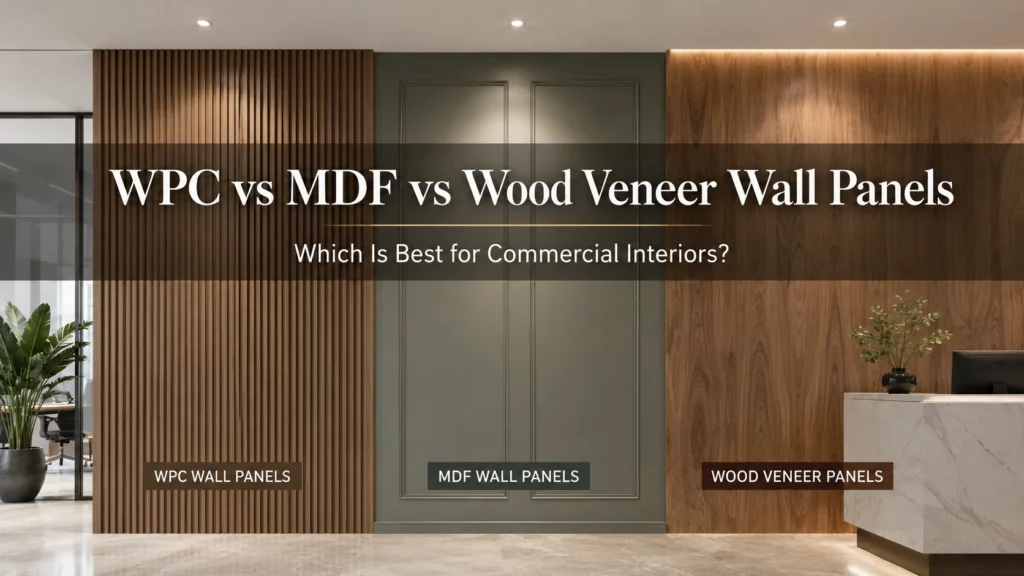
This shift explains the rise of WPC Wall Panels as the preferred choice for demanding commercial settings. These advanced options blend the cozy feel of real wood with the toughness of man-made blends. As Latitude Interiors launches its 2026 lineup, one thing becomes obvious. These panels serve more than decoration. They act as sturdy setups for lasting strength, eco-friendliness, and unique brand vibes.
Engineering for Resilience: The “High-Traffic” Advantage
Scratch & Impact Resistance
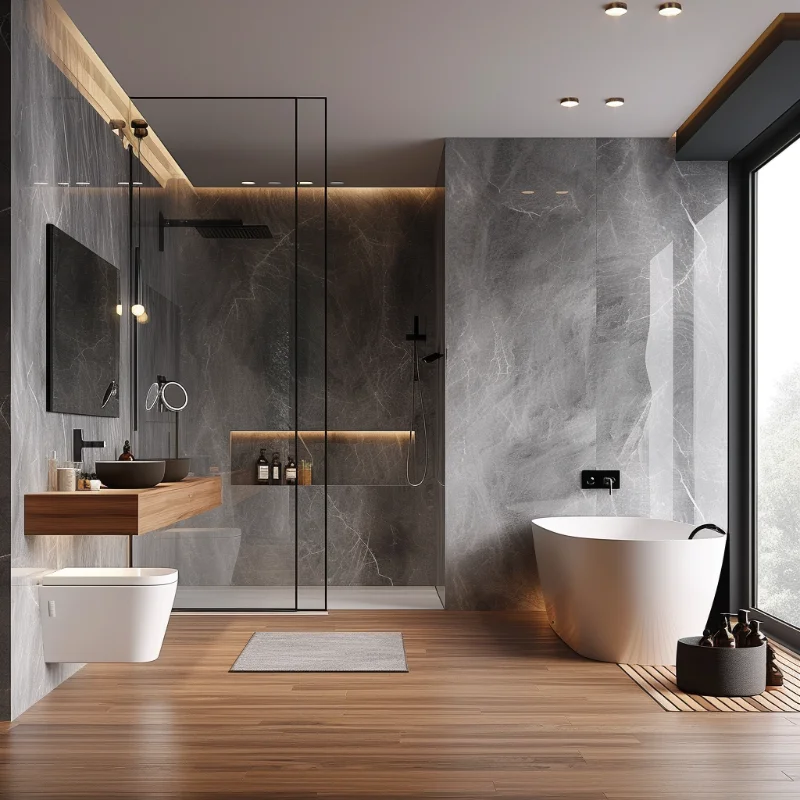
In a crowded hotel entrance or airport hallway, bags on carts and cleaning tools often bump against walls. WPC (Wood Plastic Composite) panels cope with this wear in a unique way, unlike older materials.
Decorative Panel (WPC, Wood Plastic Composite) forms a fresh blend of natural wood powder, plant fibers (cane), lightweight calcium carbonate (stone powder), and polymer resin. This mix spreads out impact force smoothly over the face. As a result, marks and gouges do not spread easily.
Furthermore, the foamed wood-plastic composite material features a solid cellular setup. It can soften the edges of any splits and stop them from growing. This proves vital in public areas where walls see ongoing touches and bumps.
Moisture and Mold Defense
High dampness poses a major risk to wall treatments in business buildings. This holds especially true in spots like spas, bathrooms, or warm, wet regions. Latitude Interiors’ WPC panels tackle this issue head-on.
Waterproof and Moisture-proof: They solve the problems that plague standard wood items, which rot, swell, and twist in damp or watery spots. Plus, they fend off bugs and fungus thanks to their sealed-cell design and plastic makeup.
Dimensional Stability
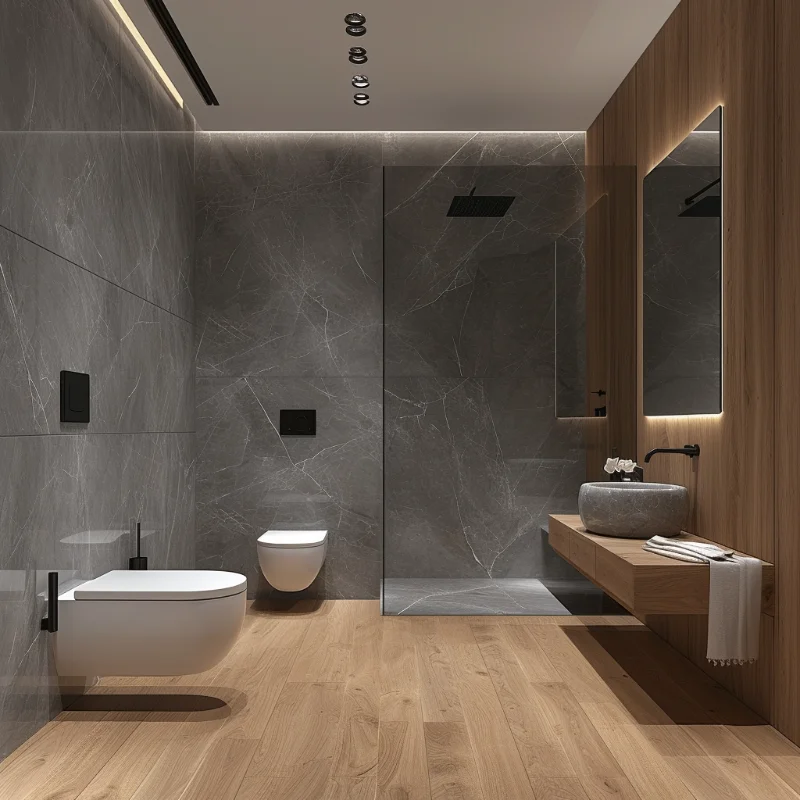
Shifts in temperature often make regular materials bend or peel apart as time passes. By comparison, Latitude’s 2026 production methods include calcium zinc stabilizers. These offer better eco-benefits and solid heat resistance. Thus, the panels hold their shape steadily. Even in places like hotel entrances, where cooling systems cycle often, this stability shines through.
Strategic Aesthetics for Retail and Hospitality
The 2026 Design Palette
Designers no longer pick between toughness and looks. The newest commercial WPC cladding lines mimic lifelike patterns—from rough oak textures to factory-like concrete shades—with striking accuracy.
The benefits of yellow inorganic pigment powder stand out. It shows strong resistance to weather, no easy bleeding, tolerance for heat, and little color loss. For instance, in a sunlit mall atrium, these panels keep their hue steady over years of direct light.
Fluted and 3D Profiles
Fluted designs now mark a common style in upscale hotels and fancy shops. They bring flow and layers to rooms without crowding tight areas. Latitude Interiors’ fluted WPC wall panels keep their strength amid their shaped forms. This mix lets creators test ideas boldly. Take a narrow boutique corridor: the panels add visual interest while holding up to daily foot traffic.
Customization for Brand Identity
For worldwide business-to-business jobs—like chain stores or global hotel networks—matching brand styles matters most. Latitude Interiors provides tailored surfaces that fit company colors. At the same time, they follow area rules for fire protection and low chemical releases.
The Economic Logic: Long-Term Cost Savings and ROI
Looking at upfront spending against full-life expenses, WPC wall setups usually beat out classic options by a good deal. For example, a mid-sized hotel chain in Asia swapped veneers for WPC panels across 50 lobbies. They cut maintenance calls by 70% in the first five years, based on industry reports from similar upgrades.
| Cost Factor | Traditional Veneer | WPC Wall Panels |
| Initial Material Cost | Moderate | Slightly Higher |
| Maintenance | Frequent repainting & sealing | Virtually zero |
| Lifespan | 5–8 years | Up to 20 years |
| Downtime During Renovation | High | Minimal due to interlocking installation |
Latitude Interiors’ panels include a labor-efficient interlocking system. This setup enables fast overnight updates without major work stops. It proves a big win for shops that lose money during shutdowns. For instance, a European retail group finished a store refresh in one night, reopening the next morning with zero lost sales.
Besides, the lack of splits, swelling, or bending cuts down on upkeep needs. Across 20 years, this leads to real savings on fixes and swaps. In turn, it drops the overall cost of owning these systems.
Sustainability and Compliance in Commercial Procurement
Sustainability is no longer a choice by 2026. It forms a core part of every buying rule. Latitude Interiors steps up to this with recycled plastics woven into its making process.
The product stays kind to the planet. It causes no mess or damage. Plus, it recycles well. It also keeps low formaldehyde output (at 0.01 levels), matching strict European green standards.
On safety, it slows fire spread well. It earns a B1 fire rating. This fits perfectly for open areas like airports or malls, where codes demand strong fire checks under global rules.
Conclusion
Business interiors now face judgment on more than just style. Experts measure them by clear stats, like strength per area or full-life eco-impact. As builders aim for steady running costs, items like WPC change the meaning of “right for the job” in building design.
Selecting a team like Latitude Interiors involves experts who grasp both creative goals and worldwide supply details. Their research-focused methods make sure each panel passes tough global checks. Yet, they leave room for artistic tweaks.
FAQs
Q1: What is the fire rating of WPC Wall Panels for commercial use?
A: Standard commercial-grade panels typically meet Class B1 fire ratings—meaning they’re flame-retardant with low smoke emission levels suitable for public interiors.
Q2: How do WPC panels perform under high UV exposure?
A: The latest-generation panels are engineered with advanced UV stabilizers in their polymer layer to prevent fading or surface degradation even when installed near large storefront windows.
Q3: Can Latitude Interiors WPC Wall Panels be installed over existing surfaces?
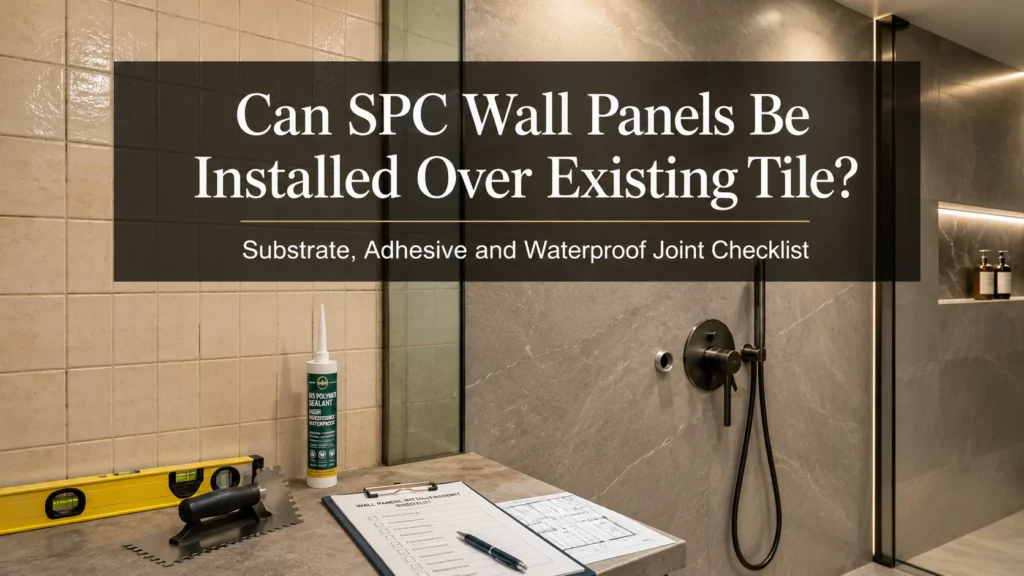
A: Yes. They can be mounted directly onto stable substrates like plywood or masonry using concealed fasteners—ideal for quick renovations without demolition work.
Q4: What’s the expected lead time for large B2B orders?
A: Depending on volume and customization level, typical lead times range from three to six weeks including manufacturing calibration and quality assurance phases before shipment.
Q5: How does acoustic performance compare with drywall?
A: Thanks to their dense composite core—and often fluted geometry—WPC wall panels deliver superior sound dampening properties compared to flat gypsum walls, reducing echo in corridors or open-plan lobbies where noise control matters most.