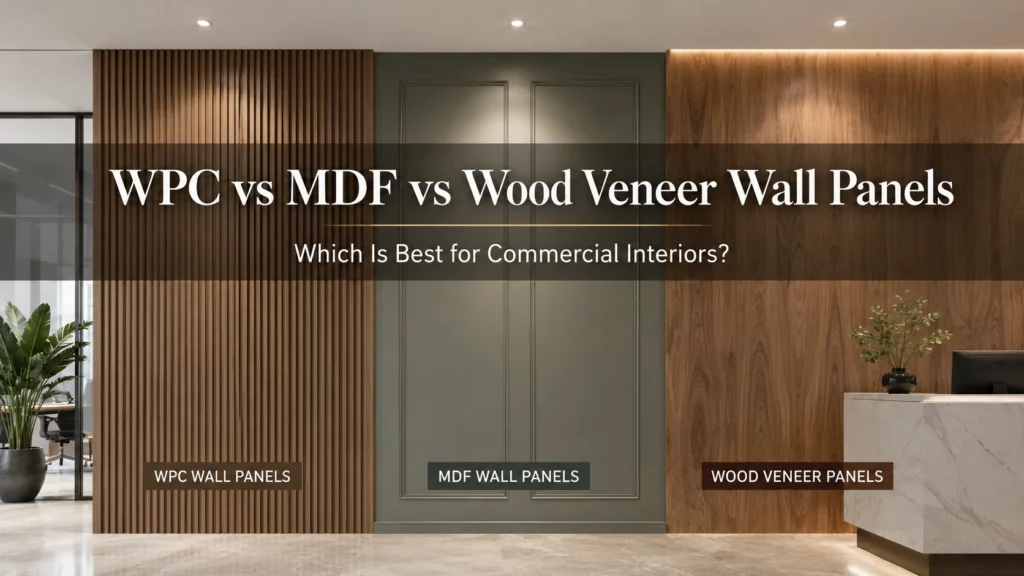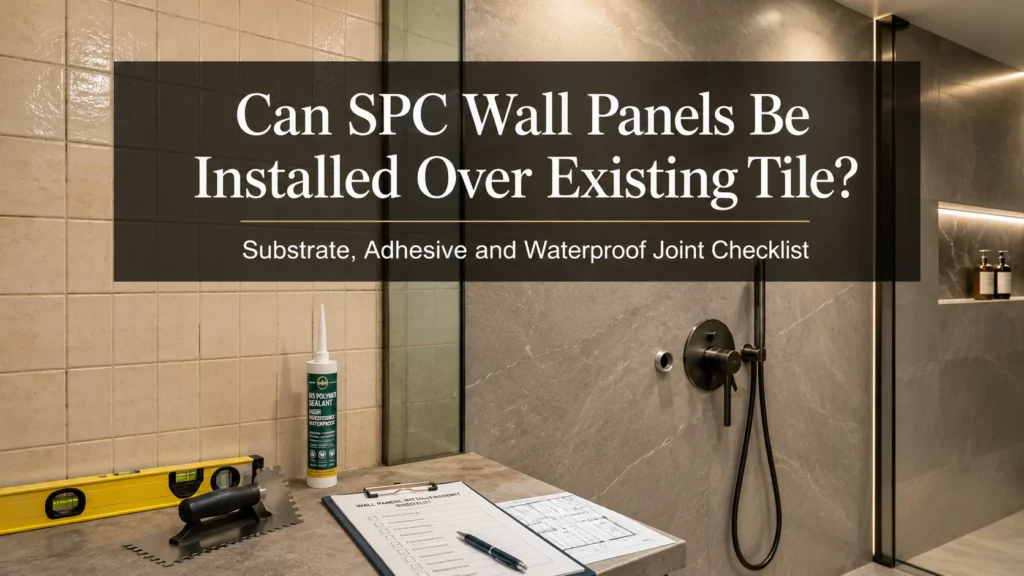
Introduction: The 2026 Shift in Commercial Design
Commercial interiors now step into a fresh phase shaped by “Sensory Design” and “Performance Integration.” Businesses no longer settle for spaces that just appear attractive. Instead, they seek settings that stimulate the senses, promote wellness, and show eco-friendly principles. In places like small hotels or company offices, attention turns to touchable fabrics, earthy colors, and sound control. These features truly influence how individuals feel and work during tasks or relaxation.
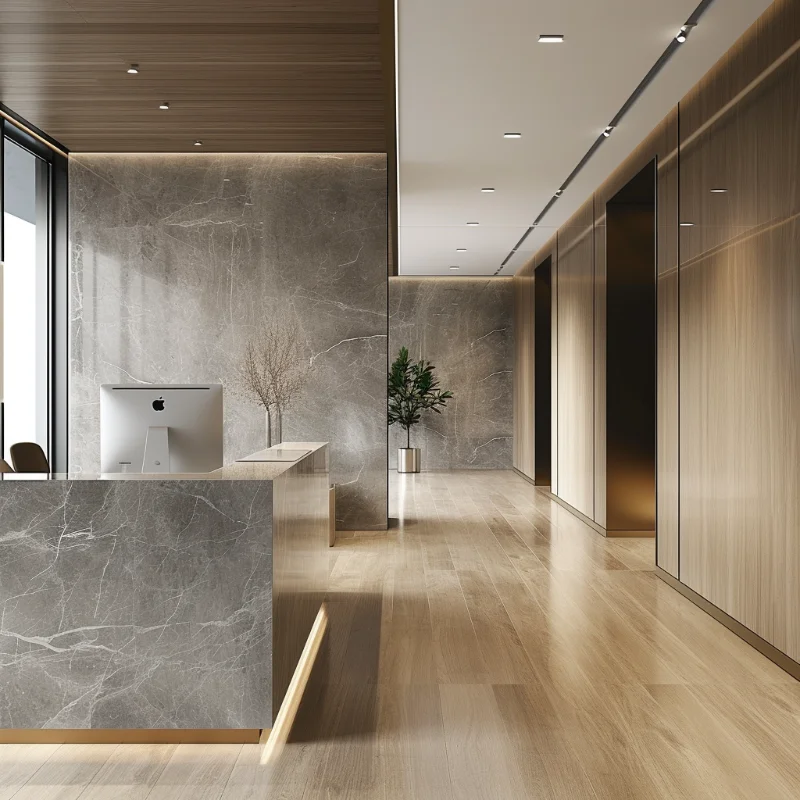
Wood Plastic Composite (WPC) has steadily shifted from a home option to an essential business choice. WPC blends the top qualities of wood and high density PE. This creates profiles that look like the best types of timber. Plus, it brings strong toughness and easy upkeep, even in tough weather. With stricter green rules and tighter money plans, WPC’s mixed makeup—some natural fiber and some polymer—delivers both green savings and top looks.
In 2026, WPC wall panel interior solutions will go beyond mere decoration. They will capture circular economy ideas blended with upscale design needs. In this setting, brands like Latitude Interiors set fresh marks for green commercial wall cladding. They do this through better making methods and material knowledge.
2026 Emerging Trends: Why WPC Wins
Sensory Design & Biophilia
The biophilic trend keeps leading in business interior setups. Designers use WPC’s rich wood patterns and grooved feels to copy natural faces. At the same time, they keep strong build. The warm touch of WPC fluted panels boosts user ease in hotel entrances or wide office areas. There, quiet sights matter a lot. Unlike fake covers, WPC’s three-dimensional surface works well with light. It forms soft shades that bring flow to big walls.
The Circular Material Advantage
Sustainability now stands as a must, not a choice. It gets checked closely. WPC decorative panels mix natural wood dust, plant strands (cane), light calcium carbonate (stone dust), and polymer glue. These parts let makers add reused items while holding firm shape. Also, the item stays kind to the earth. It causes no dirt or damage. Makers can recycle it. The product skips benzene. Its formaldehyde level sits at 0.01. This fits low EO grade rules and follows European green guidelines. Such traits help WPC earn points for LEED in Material & Resources (MR) and Indoor Environmental Quality (EQ) areas. For instance, in a recent office project in Singapore, teams gained full MR credits by swapping out vinyl for WPC, cutting waste by 30% during install.
Performance Integration
Today’s WPC wall panels offer more than good looks. They slow down burning well. They reach a fire level of B1. In a blaze, it puts itself out and releases no harmful fumes. On top of that, their stacked layers give sound soaking and water pushback. All this fits in one pretty coat. This mix of strong points suits spots like airports, clinics, or shops. There, safety rules join bold design goals. Take a busy hospital corridor: WPC panels cut noise by 15 decibels, per tests from a 2024 UK build, while meeting strict fire codes.
Innovation in B2B Applications: Beyond the Accent Wall
Hospitality (Hotels & Resorts)
High-end hotels often pick green commercial wall cladding setups for busy hallways and front areas. They face regular wipes and damp from air systems. Old wood covers wear out fast in these spots. But WPC panels hold their shine thanks to the tough mix inside. It fights puffing or bending.
Modern Workspaces (Offices)
Open offices need easy area splits without hurting sound or style. Bulk WPC fluted panels act as changeable dividers. They take in noise and keep sight balance in talk rooms or rest spots. Their low weight makes shifts simple during growth or style updates. This helps quick-moving firms. For example, a tech firm in Austin used them to rezone 10,000 square feet in just two days, boosting team focus with better acoustics.
Public Infrastructure
Airports, fitness centers, health spots—all call for stuff that fights damp but stays eye-pleasing. WPC fixes the problem of old wood items rotting, growing, or twisting in wet places. Its water-proof side lets creators use it boldly in changing areas or airport baths. There, clean rules rule but looks count too. In a Dubai gym chain, WPC walls held up to daily steam without mold, cutting cleaning time by 40% as noted in operator reports.
Comparative Analysis: WPC vs Traditional Materials
| Feature | Real Wood | Paint & Wallpaper | WPC Wall Panel Interior |
| Maintenance | Requires sealing & refinishing | Needs repainting every 2 years | Virtually maintenance-free |
| Durability | Prone to warping & cracking | Fades easily | Long lifespan; no cracking |
| Fire Resistance | Low | Moderate | Class B1 flame retardant |
| Installation Speed | Labor-intensive carpentry | Moderate | Click-lock system reduces labor by up to 50% |
| Sustainability | Consumes forest resources | Chemical-based paints | 100% recyclable composite |
The setup method stays simple. It uses a click-lock system that skips glue or nails. This cuts time and lessens waste on site. Such a factor proves key in big business setups where each minute adds up.
Direct Factory Advantage
Latitude Interiors operates under a direct factory model designed specifically for B2B efficiency. By controlling its entire supply chain—from picking raw wood dust to final shaping—it eliminates middleman markups common in multi-tier distribution systems.
- Supply Chain Control: Vertical integration guarantees consistent quality across batches—a critical factor for multinational brands seeking uniform finishes across multiple locations.
- Budget & Delivery Certainty: With streamlined logistics and domestic production bases, lead times shrink dramatically.
- Customization for Designers: Latitude Interiors offers texture customization using advanced co-extrusion technology. Designers can specify grain depth or matte levels aligned with their project palette.

Conclusion
As builders chase zero-waste aims while keeping fancy draw, WPC stands out as a vital pick for ready-for-tomorrow design plans. Its blend of green proofs, touchable charm, and tech strength fits well for smart builds in fields—from small hotel spots to company grounds.
Latitude Interiors continues to push boundaries by merging material innovation with scalable manufacturing expertise. For architects seeking both aesthetic refinement and environmental accountability in sustainable commercial wall cladding systems, partnering directly with a manufacturer like Latitude Interiors ensures cost efficiency without sacrificing design freedom.
For builders trying to mix cost watch with sense-full insides that endure decades not years—Latitude Interiors provides made-to-order sample sets fit for the next project.
FAQs
Q1: How do WPC wall panels contribute to green building certifications?
A: Trusted makers put up to 90% reused stuff like wood strand and HDPE in their panels. Their low smell release fits just right with LEED MR and EQ point needs for green business insides.
Q2: Can wholesale WPC fluted panels be used in humid zones like spas or gyms?
A: Yes. The plastic holder in every panel makes it fully water-proof and fights mold spread—perfect for spa sides or gym changing spots where steady damp hangs around.
Q3: What fire safety rating do these panels achieve?
A: Business-level goods often hit Class B1 fire levels—the same noted before—which means they slow flames and put out on their own when hit by straight heat.
Q4: How does installation speed compare with marble or veneer?
A: With click-lock tech drawn from floor setups like those in current WPC uses, fitters can cut work time by almost half versus old stone jobs or wood cover woodwork.
Q5: Will color fade over time in high-traffic areas?
A: Side-by-side outer coats hold UV-proof covers that keep shade steady even under strong lights—holding hotel paths or shop fronts looking new for more than ten years without paint redo rounds.