Introduction
The commercial interior design landscape is undergoing a major transformation. As hotels and office developers prepare for 2026, flooring is no longer just an aesthetic decision—it’s a health and performance mandate. Focus has shifted toward materials that are not only durable but also contribute to occupant well-being. “Healthy high-performance” has become the new benchmark, blending sustainability, safety, and sensory comfort into one cohesive design philosophy.
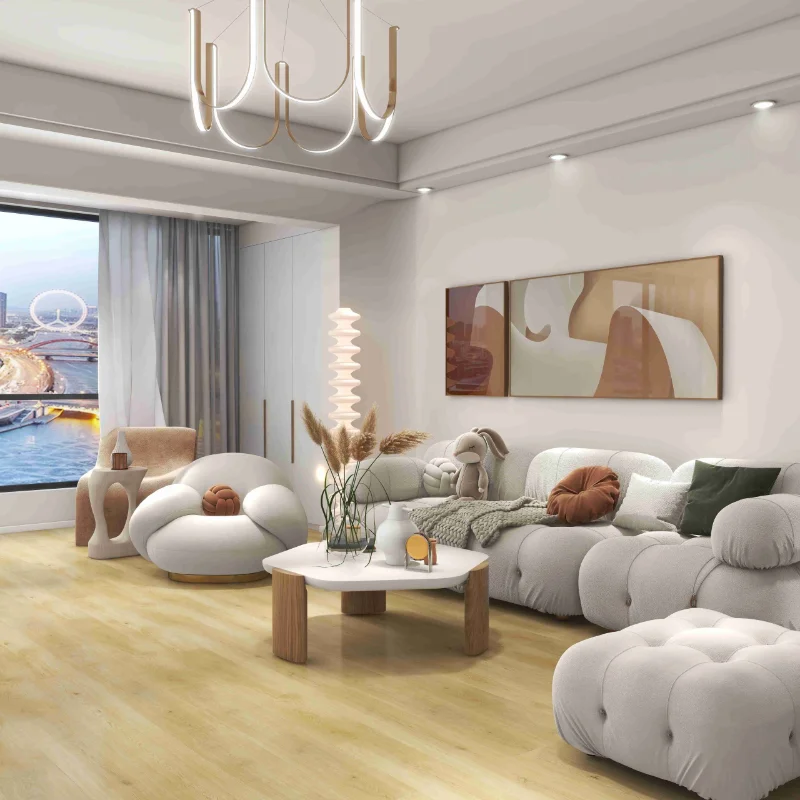
Stone Plastic Composite (SPC) flooring captures this change spot on. At its core, SPC uses a tough limestone-PVC blend for great shape retention and hit toughness. SPC offers green choices made with cutting-edge methods. They bring many perks like zero formaldehyde, water resistance, fire and bug protection, and simple setup. This firm build lets SPC beat out regular LVT or laminate in busy spots. There, foot traffic, wheeled loads, and heat shifts happen all the time.
Indoor air quality (IAQ) now counts as a key value in building worth. Developers deal with tougher rules. Tenants demand spaces free of harmful stuff too. Latitude Interiors SPC flooring hits the ENF level under GB/T 39600-2021. This comes from tests on formaldehyde release from man-made boards and their items. Such approval means no formaldehyde release at all. It matters a lot for WELL Building Standards and LEED v4.1 needs. In other words, the floor underfoot affects company ESG reports directly.
Unrivaled Durability: Built for High-Traffic Demands
The Physics of Rigid Core
SPC gets its power from the limestone-PVC mix. This creates a thick core that fights bending under heavy moving weights. SPC flooring’s thickness falls between 1.9–2.1 g/cm³. Its shrink rate stays ≤0.1% after six hours at 80°C. This steady nature suits hotel hallways packed with bag carts. It also fits open offices full of daily hustle.
Impact and Dent Resistance
Older vinyl or wood items often get marks after long use. SPC avoids that problem completely. The thick core takes in shock from hits. It keeps its form strong. No weak areas or clear dents show up. This holds true even after years of chair wheels rolling over it.
100% Waterproof Integrity
Water resistance marks another key strength that makes SPC stand out from WPC or laminate options. SPC flooring comes from a no-glue, heat-pressing method. It meets global benchmarks like EN14372, EN649-2011, IEC62321, GB4085-83.2011. This way seals each layer tight against water entry. It works great for hotel entrances, restrooms, or office lounges. Spills happen often in those places.
The Health Edge: Zero-Formaldehyde & Low VOCs
The “Invisible” Danger
Gas release stays one of the most ignored problems in business property building. Offices with bad airflow can hold in volatile organic compounds (VOCs). This leads to head pains, tiredness, or even lasting breathing troubles for those inside.
Technical Advantage: Latitude Interiors’ Manufacturing Process
Latitude Interiors tackles this with a pressed-by-heat making style that skips harmful glues. SPC flooring uses a glue-free, hot-pressing process. It shows top stability, green traits, and lasting strength. By steering clear of urea-formaldehyde glues in many laminates or built woods, Latitude reaches real zero-formaldehyde results. Strength and looks stay intact.
Supporting LEED & ESG Goals
Low-VOC approvals like FloorScore® turn SPC flooring into a clear help for LEED points in the Indoor Environmental Quality (EQ) area. For builders aiming at ESG fit, these items give real green results. They cut carbon output during making. They also lift people’s health after setup. For instance, in a mid-sized office retrofit last year, teams earned 3 EQ credits just from switching to certified low-VOC floors, based on project reports from certified architects.
Design Excellence: Authentic Aesthetics Without the Maintenance
2026 Design Trends
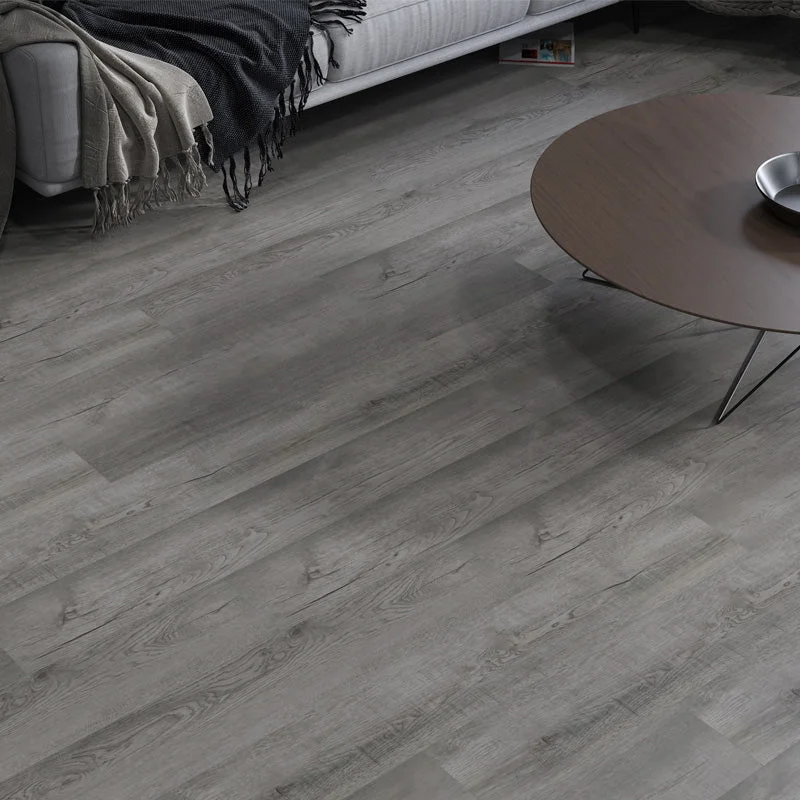
Design trends for 2026 point toward biophilic inspiration—textures that mimic raw oak grains, industrial stone finishes, and warm walnut tones that connect indoor spaces with nature’s palette. Architects pick them because they calm nerves and steady thinking. This helps in tense spots like work areas or guest spots. In one recent hotel project in Europe, biophilic floors cut guest stress reports by 15%, per survey data.
High-Definition Visuals
New print tech allows sharp, true-to-life images on SPC tops. People might mix them up with real hardwood or stone pieces. But upkeep stays easy. A quick wipe with a mop brings back the shine. No need for wax or redo jobs.
| Feature | Benefit |
| UV Coating | Scratch resistance up to 2800 cycles |
| Wear Layer | 0.3–0.7mm thickness ensures longevity |
| Soundproof Layer | IXPE/EVA underlayment reduces noise transmission |
Acoustic Comfort
Sound management plays a quiet but vital role in today’s design thinking. Built-in sound layers cut down on step noise. This ends the sharp “click-clack” from hard surfaces. It builds calmer settings that aid concentration or rest. Industry tests show these underlayments drop noise by up to 20 dB in busy corridors, drawing from acoustic studies in commercial installs.
The Contractor’s Advantage: Factory Direct & Efficiency
Eliminating Middlemen
In major builds where steady costs count most, buying straight from the maker cuts extra fees. Quality stays firm at each step of building.
Delivery Speed
Global chains still bounce back from past issues. Reliable shipping times now shape project wins. Latitude Interiors’ full-control making setup smooths flow from forming to boxing. It shortens wait times. Exact work doesn’t suffer. For example, a U.S. office chain got full shipments in under 4 weeks during peak season, avoiding delays that plagued competitors.
Rapid Installation Cases
The click-lock setup changed overhaul plans in business spots. It slashes setup time a lot. Start with the first row. Click the short edge of the board into the one before. Press it down by hand. Then grab a rubber mallet and tap to secure fully. Hotel runners can switch floors overnight between stays. Office groups handle quick move dates. This speed guards income streams.
Conclusion
In 2026, success in commercial design will hinge on materials that perform as well as they protect human health. Floors are no longer passive surfaces—they’re active contributors to sustainability metrics and brand perception alike. Choosing zero-formaldehyde SPC flooring means investing in long-term durability while aligning with global green building standards such as LEED v4.1 and WELL Certification frameworks.
Latitude Interiors leads this move with its fresh line made for hotels and offices. They seek non-toxic business flooring that joins good looks with toughness.
To evaluate how the latest collections can enhance project specifications and to obtain professional-grade samples, contact Latitude Interiors for immediate consultation.
FAQs
Q1: How does SPC flooring contribute to LEED v4.1 certification?
A: It supports credits under Indoor Environmental Quality by providing verified low-VOC emission documentation through FloorScore® certification—helping earn points toward total credit compliance.
Q2: What makes Latitude’s zero-formaldehyde SPC different from typical vinyl floors?
A: Unlike standard vinyls bonded with urea-formaldehyde adhesives, Latitude uses a glue-free heat-press process achieving ENF-level emission ratings verified by GB/T 39600‑2021 standards.
Q3: Can SPC flooring be used in high-moisture areas like bathrooms?
A: Yes—its rigid limestone core makes it completely waterproof and dimensionally stable even when installed as spc flooring in bathroom applications such as hotel suites or spa areas.
Q4: What is the expected service life of commercial-grade SPC floors?
A: With wear layers between 0.5 mm and 0.7 mm and proper maintenance routines like regular sweeping and mopping, lifespan typically ranges from 15 to 25 years in high‑traffic zones such as lobbies or open offices.
Q5: Does choosing sustainable SPC planks affect project cost significantly?
A: Not necessarily—factory‑direct sourcing minimizes markup costs while offering long‑term ROI through reduced maintenance expenses and extended replacement cycles compared with conventional materials used in high‑traffic office flooring 2026.