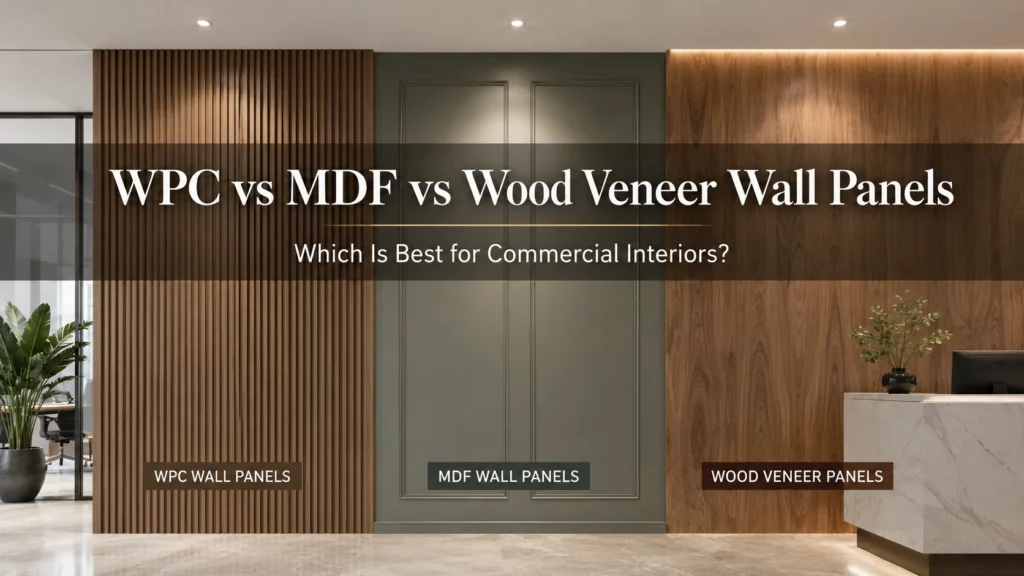
WPC Wall Panel vs Traditional Materials: 2026 Guide for B2B Hotel Projects
Introduction
In 2026, the hospitality construction sector is shifting toward materials that promise speed, sustainability, and cost predictability. Developers managing large-scale B2B hotel projects are under pressure to deliver faster while maintaining brand consistency and durability. The old model of relying on traditional wall finishes—paint, wallpaper, or natural wood—often leads to recurring maintenance cycles and inconsistent performance.
This shift has accelerated the adoption of WPC wall panel 2026 systems, which combine engineering precision with aesthetic flexibility. As sustainability standards tighten and project timelines shrink, procurement teams are prioritizing materials that balance technical performance with long-term financial value. This article explores how WPC wall panels compare with conventional materials and why they are emerging as a preferred solution for modern hotel interiors.
What Is WPC Wall Panel and Why It Matters in 2026
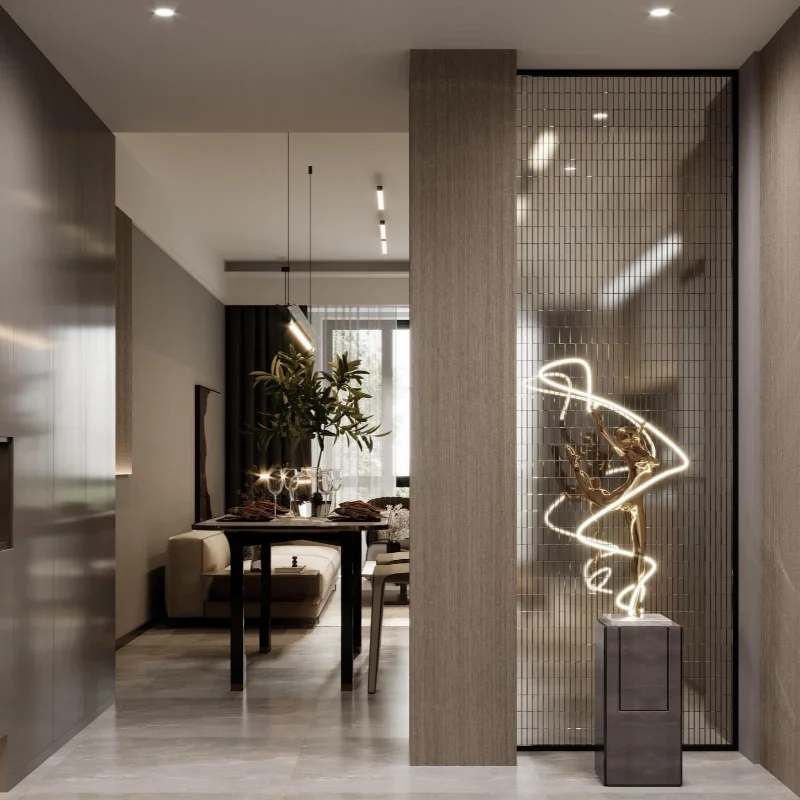
A WPC wall panel—short for wood-plastic composite—is a made product that blends natural wood strands with thick polymers. This creates a tough but bendy cover material.WPC integrates the advantages of wood and high-density PE, resulting in profiles that replicate the natural appearance of premium timber species. Combined with excellent durability and low maintenance requirements, it performs reliably even under the most demanding weather conditions.
Its makeup usually has around 60% wood fiber, 30% HDPE plastic, and 10% extras like stabilizers and lubricants. These boost weather toughness and color steadiness. The outcome is a pretty panel that seems like true wood. Yet it acts like a fake material—safe from dampness, fungus, hits, and sun rays.
For hotels, these traits turn into real perks:
- Clean surfaces for guest rooms and hallways
- Long working life without repainting or refinishing
- Even color shade over many setups
- Fit for wet spots such as bathrooms or spas
Typical use spots cover lobby highlight walls, elevator hallways, bathroom dividers, and guest room feature walls—places that need both good looks and toughness against use.
Traditional Wall Materials in Hotel Projects: Limitations and Costs
Usual wall covers stay popular. But they have downsides that raise long-run costs:
| Material Type | Common Issues | Maintenance Frequency |
| Paint | Peeling or discoloration due to humidity | Every 2–3 years |
| Wallpaper | Mold growth in damp areas | Frequent replacement |
| Ceramic Tile | Long installation time; grout maintenance | Moderate |
| Natural Wood Panel | Warping or cracking under temperature change | High |
Painted walls need regular fixes. Wallpaper tends to fail in hot, wet places. Tiles drag out update plans. Natural wood brings class but calls for steady care. These problems boost work stoppages—a big worry for hotels that want steady guest stays.
Performance Comparison: WPC Wall Panel vs Traditional Materials
Waterproof Performance
“Waterproof and Moisture-proof: Effectively addresses the issue of traditional wood products being susceptible to rot, expansion, and deformation in humid and water-rich environments.” This lets WPC wall panel 2026 go into bathrooms or pool areas with trust. There, old materials break down fast. For instance, in a busy resort spa, these panels held up after heavy steam exposure, unlike wood that swelled within months.
Durability and Maintenance
“No cracking, expansion, or deformation, reducing the need for maintenance.” Painted or wallpapered spots need steady fixes from scrapes or dulling. WPC’s firm build also fights off bumps from bags or cleaning tools—a real help for hotel paths. In one chain hotel case, corridors with WPC showed no wear after two years, while painted ones needed touch-ups every six months.
Installation Efficiency
“Simple Installation: Easy to install with a straightforward construction process, saving both time and costs.” Piece-by-piece systems let workers finish wide spaces fast. They skip wet jobs or long dry waits. Old tile or plaster work often adds weeks to plans. Data from recent builds shows WPC cuts install time by 40% compared to tiles.
Cost Efficiency Over Lifecycle
Though WPC panels might run higher at first than paint or wallpaper, they give lower full ownership costs. This comes from less fix work and longer swap times. For hotel groups running hundreds of rooms per site, this builds into big savings as years go on. Industry reports note up to 30% less total spend over a decade.
Application Scenarios in B2B Hotel Projects
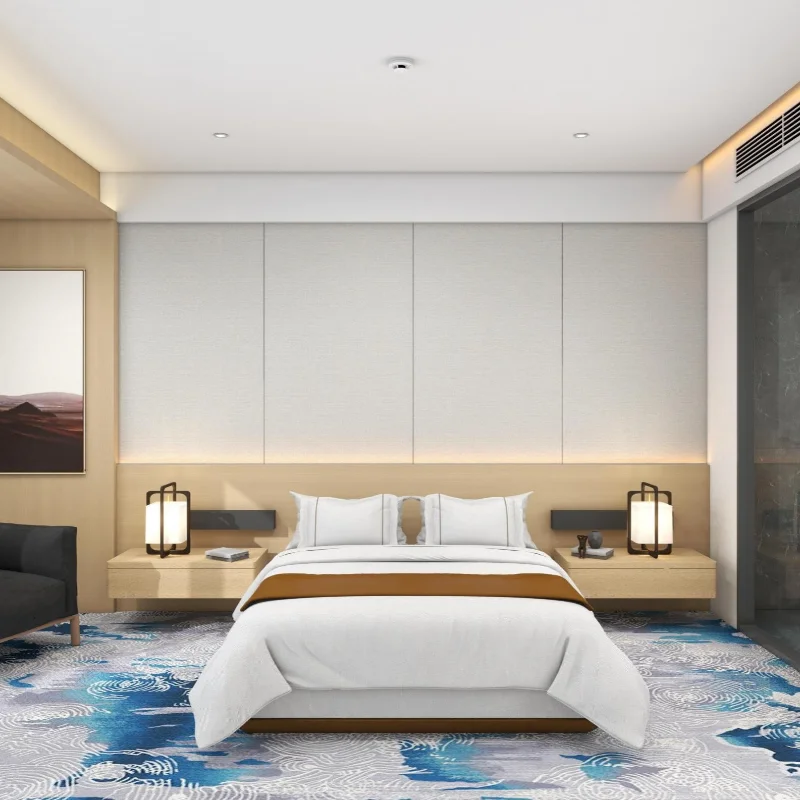
The flexibility of waterproof wall panels fits almost every inside area in hotel settings:
- Guest Rooms:Quick setup lets rooms turn over fast in step-by-step updates. It avoids shutting whole levels.
- Bathrooms & Wet Areas:Smooth waterproofing cuts mold danger. It keeps style the same across rooms.
- Corridors & Public Areas:Strong traffic hold stops dents or marks from bag carts.
- Renovation Projects:Light piece panels lower dust and sound in refit jobs—a main gain for running hotels.
OEM Customization and Factory Supply Advantages
Today’s hotels depend a lot on marking through inside covers—feels, shades, light bounces all shape guest views. OEM making meets this need with custom sizes, fire levels (often B1 grade), surface press patterns, and built-in light paths.
Direct-from-factory supply boosts quality checks:
- Steady batch colors for huge orders
- Steady price plans for big buys
- Quicker wait times backed by auto press lines
These traits make WPC panels a good fit for global builders running builds at once in different areas. From experience in Asian hotel chains, custom colors ensured brand match across 50 sites without shade mismatches.
Latitude Interiors: Supporting Modern Hotel Projects
Latitude Interiors has set itself as a reliable ally offering WPC wall panel 2026 answers made for business insides.Its skills cover work with builders, developers, and buying teams handling tricky B2B hotel projects around the world. By matching product work with green aims—like reusable parts and no-formaldehyde mixes—Latitude Interiors aids clients in hitting both eco papers and run smoothness goals.
Conclusion
Picking between old covers and new mixes is not just about looks anymore. It’s about long-run plans. WPC wall panels beat usual materials in water safety, hit toughness, setup speed, and lasting worth hold. For builders wanting steadiness under tight money and times common in today’s B2B hotel projects, these panels bring clear returns. They also back green build ways.
Latitude Interiors keeps improving its goods around custom bend and solid world supply lines. This helps hotel marks create spots that seem sharp on day one. They stay perfect for years after. For comprehensive technical specifications or project-specific consultations, the Latitude Interiors professional team remains available through official contact channels.
FAQs
Q1: How do WPC wall panels improve efficiency in B2B hotel renovation projects?
A: Their modular design enables faster installation compared to traditional materials like tiles or plasterboard, reducing labor hours and minimizing disruption to ongoing hotel operations.
Q2: Are WPC wall panels suitable for high-moisture hotel areas?
A: Yes. As described earlier, these waterproof wall panels resist humidity-related issues such as swelling or mold formation even in bathrooms or spa zones.
Q3: What cost advantages do WPC wall panels offer compared to traditional materials?
A: While initial purchase prices might be slightly higher than paint or wallpaper systems, their longevity reduces repair frequency—cutting lifecycle costs significantly over years of operation.
Q4: Can WPC wall panels be customized for hotel branding requirements?
A: Absolutely. OEM customization allows variations in texture depth, surface gloss level, color palette matching brand identity guidelines across multiple properties.
Q5: What should procurement teams consider when sourcing WPC wall panels for large projects?
A: Key factors include supplier reliability (consistent production capacity), compliance certifications (fire rating B1), customization options (size/finish), packaging logistics for export shipments—and most importantly—delivery timelines aligned with construction milestones.