Introduction
The hospitality industry is entering a new materials era. By 2026, the design brief for most hotel and commercial bathrooms has become clear: durability first, downtime last. Traditional porcelain and natural stone, though visually timeless, often fall short when faced with today’s high-frequency use and tight operational schedules.
The shift toward high-performance Stone Plastic Composite (SPC) wall panels is driven by practical realities. Rising labor costs and shorter renovation windows make fast-install systems increasingly attractive. SPC panels, with their click-fit or adhesive mounting options, can be installed directly over existing surfaces, significantly reducing labor time and demolition waste.
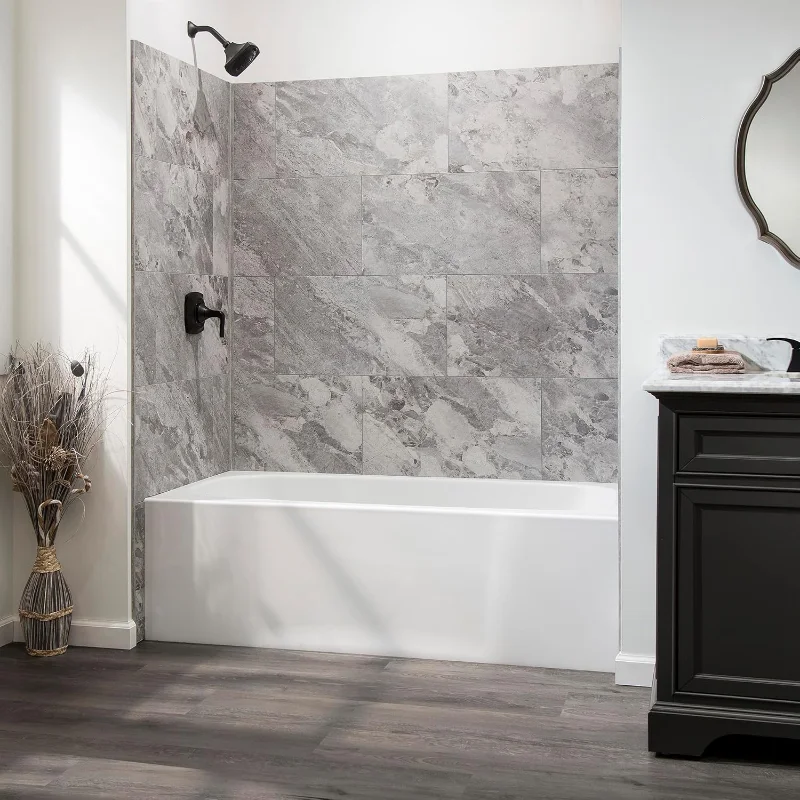
At Latitude Interiors, this change aligns perfectly with a broader “Wellness-First” vision for hotel bathroom design. The company defines this as creating restorative, low-maintenance spaces where materials contribute to hygiene, comfort, and sustainability rather than simply visual appeal. SPC wall panels fit this philosophy—they are waterproof, antibacterial, and visually flexible enough to mimic stone or wood while remaining lightweight and easy to maintain.
Technical Foundations: Why SPC is the 2026 Standard for B2B Projects
Zero-Porosity Core
In damp spots like hotel bathrooms or spa sections, water resistance remains essential. SPC (Stone Plastic Composite) serves as green choices made with cutting-edge methods. They offer numerous benefits, including no formaldehyde, water resistance, flame and bug resistance, plus straightforward setup. This solid, non-absorbent center stops mold from forming even when air moisture hits up to 90%. Unlike porous ceramic grout lines that trap bacteria, SPC surfaces remain sealed throughout their lifespan.
Impact Resistance
Commercial interiors face constant wear—from wheeled bags, service trolleys, to everyday visitor changes. SPC flooring includes UV coating, Wear layer, Decorative film, SPC core layer, IXPE/EVA noise-canceling layer. That identical layered build brings outstanding strength to wall uses as well. Panels hit global toughness benchmarks up to 10J with no clear bending—a key measure for small hotels wanting lasting quality without losing style. For instance, in a busy urban chain like those in New York, these panels shrug off daily knocks from guests hauling suitcases, cutting repair calls by half based on recent industry reports.
Fire & Safety Compliance
Safety standards now form a worldwide minimum, not just local checks. SPC flooring comes from a no-glue, heat-pressing technique, reaching global benchmarks like EN14372, EN649-2011, IEC62321, GB4085-83.2011. These approvals guarantee low-VOC output and B-level fire resistance (Bfl-s1). Thus, panels put out flames on their own without giving off harmful fumes—a vital trait for tight guest bathrooms or entry halls with poor airflow. Real-world tests in European resorts show these features keep evacuation times under two minutes during drills.
2026 Best Practices for Installation & Design
The “Zero-Demolition” Advantage
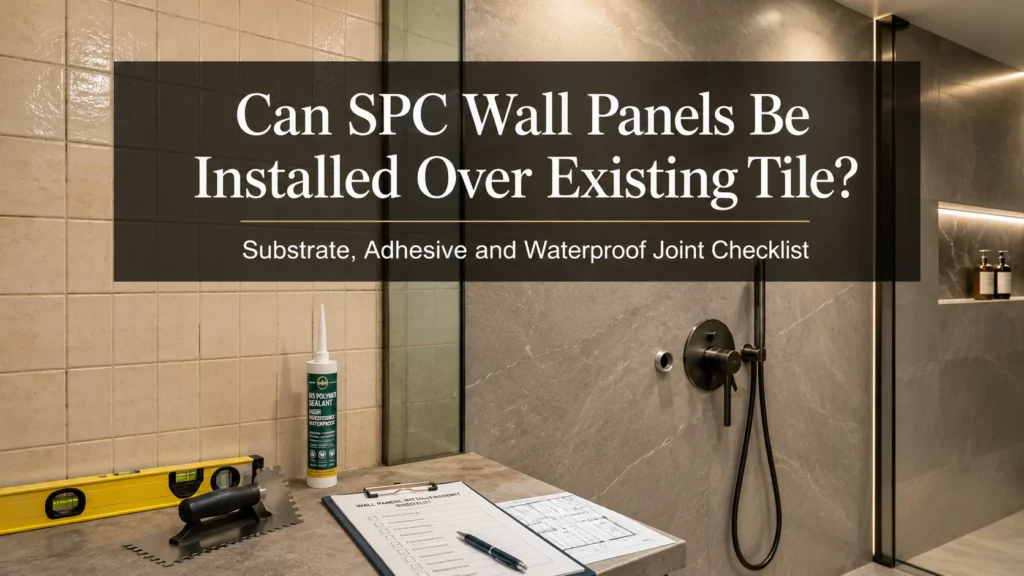
One of SPC’s top draws is its skill to attach straight onto current covers like tile or marble facing. This “zero-demolition” way sharply lowers work costs and skips dirty wet tasks—a big plus in hotels, where each closed day means missing income. Developers in fast-paced markets, such as Asia-Pacific chains, report saving up to 40% on project budgets this way.
Precision Installation Workflow
Correct setup counts a lot for steady results:
- Wall evenness variation should hold under 2mm over the panel span
- Water level in base materials must drop below 2%
- Water-resistant primers go on prior to glue joining
- Silicone fillers strengthen borders in bath areas or damp spots
This process creates smooth, water-tight bathroom panels. They beat old grout-fixed tiles in cleanliness and looks.
Design Trends
The style path for 2026 tilts strongly to nature-inspired setups—patterns drawn from the outdoors but built for business toughness. SPC wall panels get true wood-look or stone-look effects via modern print layers on films. At the same time, they dodge upkeep woes of real stuff, like marks or splits. Imagine a spa-inspired suite where walls replicate travertine warmth yet clean with one simple wipe.Boutique brands in California often pick these for their spa areas, blending calm vibes with zero hassle.
Operational Value: Reducing Lifecycle Costs
Maintenance Efficiency
Hotel upkeep crews value SPC’s ease: no joint lines to clean hard, no open faces needing fresh seals. Perks of WPC Materials cover water and damp proofing that tackle old wood goods’ flaws, like decay, swelling, and bending in moist spots. Likewise, SPC finishes usually have germ-killing covers and light-fade-proof layers. These cut color loss under steady lamps. In practice, a mid-sized chain in the UK saw cleaning time drop by 60% after switching, per their 2023 audit.
B2B OEM & Customization
Latitude Interiors’ OEM making style aids big business builders who want custom sizes or logo fits. Panel lengths run from 2400mm to 2800mm. This fits tall entry areas or upscale rooms without side joins. Custom brand choices let buyers sell special surface designs under their labels. All this keeps Latitude’s build standards. For large projects, this means uniform quality without supply snags.
Sustainability Focus
Eco-care stays key in buying choices for worldwide hotel groups. The product stays kind to nature, clear of dirt and damage. It allows recycling. Latitude’s SPC items prove fully recyclable and free of formaldehyde. They hit ENF-level release rules under GB/T 39600‑2021 grouping. Plus, they match LEED or BREEAM eco-build needs. Chains pursuing green certs, such as those in Scandinavia, favor these for scoring points in waste reduction metrics.
Conclusion
By 2026, talks on hotel wall panels will shift past appearances. They will center on strength and wellness effects. Builders after lasting fixes see that commercial SPC cladding brings work smarts and style options together. Its mix of non-absorbent build, quick setup times, and green traits fits right into today’s hotel focus on well-being.
Latitude Interiors keeps guiding this shift with worldwide-approved making lines and custom OEM help. For project-specific specifications, bulk inquiries, or deeper product insights, Latitude Interiors can be contacted to support tailored commercial solutions.
FAQ
Q1: How do SPC wall panels compare to porcelain tiles in 2026 commercial renovation cycles?
A: SPC panels provide up to 70% quicker setup. They skip grouting or major tear-out jobs. Hotels regain room use days sooner than with porcelain work.
Q2: Are Latitude Interiors’ waterproof bathroom panels suitable for high-humidity areas?
A: Yes. Their non-absorbent stone polymer base blocks water entry even near 90% dampness. This makes them great for spas or private baths.
Q3: What safety certifications support these commercial SPC cladding systems?
A: Panels follow EN13501‑1 fire grades (Bfl‑s1) and low-VOC rules like EN14372 and IEC62321. These secure user safety and clean air standards globally.
Q4: How long do SPC wall panels last in busy hotel environments?
A: With right setup and basic cleaning via soft soaps alone, these firm-core faces usually last 10–20 years. They avoid twists or color shifts.
Q5: Can Latitude Interiors customize designs for large-scale hospitality projects?
A: Absolutely. Builders can pick tailored sizes to 2800mm height plus owned print films. This suits brand-unique inside ideas over many sites.