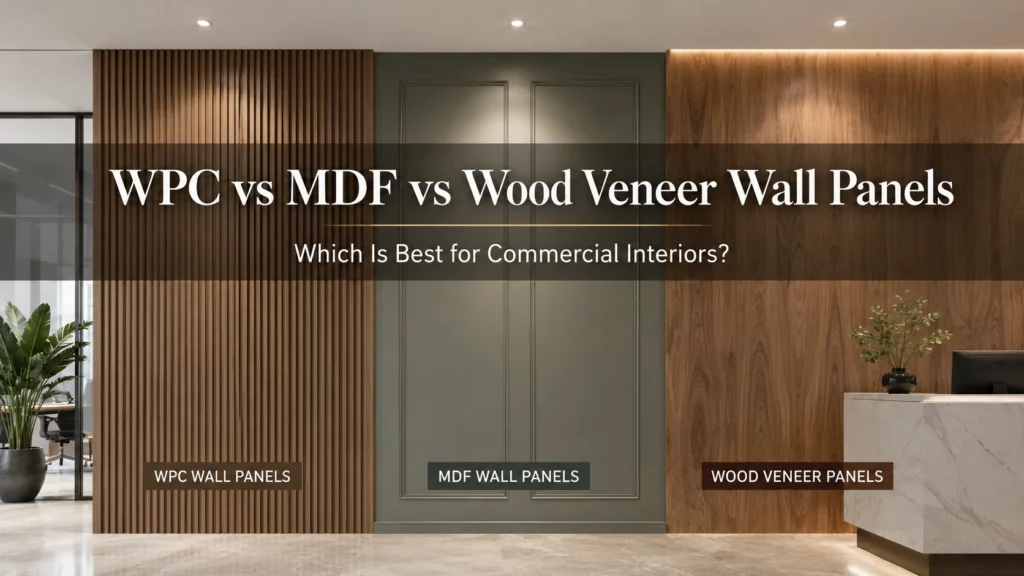
The Role of WPC Wall Panels in Contemporary Interior Design
How WPC Wall Panels Align with Modern Aesthetic Trends
WPC wall panels act as a key part in current interior setups. They fit well with ongoing trends. Simple patterns stress clean edges and smooth feels. WPC panels deliver these features through exact crafting and finish choices like stamping and notching. WPC combines the best features of wood and solid PE. In turn, it forms shapes that mimic top-grade wood kinds.
Their style range shines as a big plus for builders and area creators. These wall panels work in homes and work spots. For example, you could fit them in cozy family rooms or stylish hotel fronts. WPC wall panels from Latitude Interiors let you tweak sizes, colors, and feels to suit different plans. Plenty of color choices exist. The stuff gives a true wood sense and pattern. Plus, tweaking colors helps match what people want. So, they go nicely with soft shades in Nordic looks. They match bold colors in mixed or workshop-style places too. Our custom WPC wall panels from Latitude Interiors stand out in markets like North America and Europe, where they meet demands for style and green building.
Enhancing Spatial Perception with WPC Wall Panels
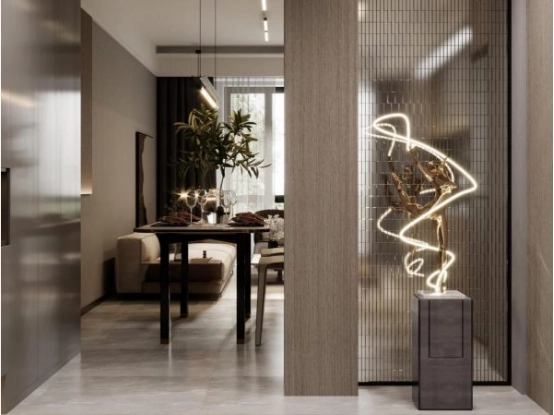
Besides looks, WPC wall panels change room vibes. Fitting them upright makes roofs seem taller. That adds a sense of roominess to tight spots. Side-by-side setup stretches how long areas appear. As such, spaces feel wider.
These wall panels blend easily with light systems and building parts. Planners can tuck LED strips into slots or rims. Those touches create better moods and layered glows. We supply close to a hundred extra items to match our wall panels. Adding metal bars gives a sharp style. At the same time, LED strips light up everything.
For full-room designs, experts often carry the paneling smoothly from walls to roofs. This even link boosts flow in wide areas or focused business rooms.
Key Features and Functional Benefits of WPC Wall Panels
Material Composition and Performance Attributes of WPC Wall Panels
WPC (Wood Plastic Composite) wall panels come from mixing natural wood powder, plant fibers, calcium carbonate, and polymer resins. Decorative Panel (WPC, Wood Plastic Composite) stands as a new mix material. It holds natural wood powder, plant fibers (cane), light calcium carbonate (stone powder), and polymer resin.
This mix makes WPC wall panels quite tough in many situations. Waterproof and Moisture-proof: It fixes problems of old wood goods rotting, swelling, or twisting in damp or wet spots. The wall panels manage water well. On top of that, they keep away bugs like termites and sun harm. Stabilizers and mineral colors help with this. Resistance to moisture, termites, and UV exposure grows with calcium-zinc stabilizers. These replace old lead types. So, they make things safer for nature.
What’s more, the wall panels hold their shape steady during heat changes. Their firm mix build backs this up. Sodium bicarbonate foaming agents help too. The bubbled wood-plastic composite material has a strong cell setup. It softens crack tips. Thus, it stops cracks from getting bigger.
Our custom WPC wall panels from Latitude Interiors use wood powder around 80-12 mesh. Sandalwood powder takes up a good share. This powder is smoother than the rice husk powder in most other goods. So, the done wall panels look better. They give a wood smell when burned. We add light calcium that’s kinder to the earth. It makes the wall panels sturdier. Our blend has calcium-zinc stabilizers for better heat hold and green perks. We put in yellow inorganic color powders as color helpers. These raise weather toughness and heat handling. They don’t lose color fast. The end gives a natural wood yellow look. Also, polyethylene wax and PE wax act as smoothers. This makes shaping easier in making. Down the line, they don’t twist much. The outside shines more and won’t come apart.
Lastly, sodium bicarbonate foaming agents make even bubbles with little gas. This blocks crack spread. It lifts hit strength and bend in the stuff.
Functional Advantages of Using WPC Wall Panels in Interior Spaces
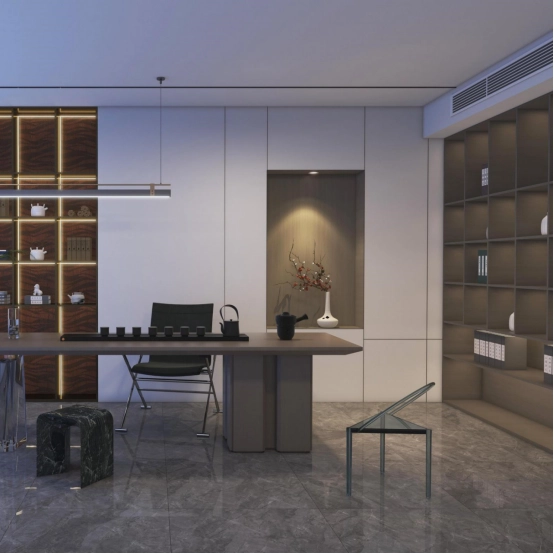
WPC wall panels bring lots of useful perks past their build strength. They need little fixing up. That works for busy places. Regular wipe-down uses a soft rag and light soap.
They do great at cutting noise too. The thick inside and bumpy outside spread sounds. Excellent Sound Absorption and Energy Efficiency: It soaks up noise well. It also cuts energy use.
Fire guard is a strong point. WPC wall panels hit B1-level fire hold. They stop fire on their own when touched by flames. High Fire Resistance: It slows fire growth. It gets a B1 fire grade. It puts out itself in fire. No bad fumes come out.
Comparing WPC Wall Panels with Traditional Interior Materials
Why Designers Prefer WPC Wall Panels Over Wood, MDF, or Gypsum Board
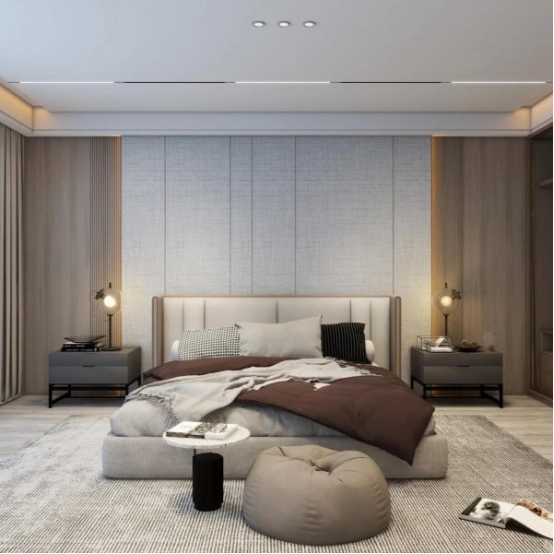
Design pros now pick WPC wall panels more than usual stuff like real wood, MDF, or gypsum boards. They last longer. No splitting, growing, or bending. This lowers fix needs. Unlike wood that curls or puffs in moist air, WPC stays put. Its set mix does that.
Putting them up goes quicker with WPC. Click parts or stick-ready backs make setup simple. Simple Installation: It’s easy to install. The steps are direct. It saves hours and cash.
Also, their full run lasts with small care. No need to paint over or seal again. This makes them a smart buy over years.
Cost-Efficiency and Sustainability Benefits of WPC Wall Panels
WPC wall panels cut costs not just at first but all along. Lower full-cost comes from toughness and less work. So, they beat high-upkeep picks in money terms.
They help the earth too. The item is green and safe. No dirt or hurt. You can reuse it. Makers use old bits like wood threads and plastics. Their ways cut trash.
With green traits like low formaldehyde out, they help win LEED points for earth-friendly builds. Our custom WPC wall panels from Latitude Interiors do well in spots like North America and Europe. They fit strict rules for looks and green ways there.
Applications of WPC Wall Panels in Modern Interior Projects
Residential Use Cases for WPC Wall Panels in Living Spaces and Bedrooms
In house plans, WPC wall panels often work as feature walls in family rooms or sleep areas. Their rough sides add levels without bossing the space. They grab the pull of real wood. But they skip lots of its issues. So, they fit old and fresh house styles.
You can mix them into custom shelves or built closets. This makes a smooth tie with the room’s shades.
Commercial Interior Design Applications Using WPC Wall Panels
In work areas like office builds, WPC wall panels make solid first looks in entry spots or talk rooms. They add noise block too.
Hotel and food spots gain from their skill to fit brand styles with color matches and special finishes. Whether lining hotel paths or cafe walls, these wall panels bring class with real help.
Installation Considerations for Optimal Use of WPC Wall Panels
Best Practices for Installing WPC Wall Panels in Interior Environments
Right base ready is key. The under face must be flat, clear, and dry. This makes sure good hold or fix. Suggested tools are cut knives for slicing and straight tools for even place.
Clean panel sides need right tools like round saws with small-teeth blades. These keep ends good during put-up.
Common Challenges During Installation of WPC Wall Panels and How to Avoid Them
Heat swell needs plan in setup. Workers should leave enough room at panel ends by walls or links. This lets for moves.
Heavy wall panel fits need good back holds to stop hanging or loose later. Skipping this can hurt looks and safe.
Long-Term Durability and Maintenance Strategies for WPC Wall Panels
Cleaning Methods That Preserve the Look of WPC Wall Panels Over Time
Usual clean means rubbing faces with no-scratch rags wet with soft soaps. Keep from strong cleaners. They can hurt top layers or shift color even. Avoidance of solvent-based cleaners that may degrade surface finishes is recommended for longevity.
For hard spots, warm water with balanced pH cleaners usually does it. It cleans without harm to the coat.
Evaluating the Longevity of WPC Wall Panels Under Daily Wear Conditions
When sides and joins seal well, WPC wall panels handle wet spots like baths or kitchens fine.
Their stand against scratches and color fade keeps beauty in rooms with inside sun for long times. High degree of UV and color stability supports their application in sunlit zones without risk of discoloration.
WPC wall panels link fresh ideas and solid work—making them a big pick for today’s rooms that want both style and use.
FAQ
Q: Why is a wpc wall panel considered a better alternative to traditional wood or MDF?
A: A wpc wall panel offers superior durability compared to wood or MDF. It is waterproof, termite-proof, and does not rot, swell, or warp in humid conditions. Additionally, it requires less maintenance (no painting or sealing needed) and offers easier installation with click systems, making it a cost-efficient and long-lasting choice.
Q: Can I install a wpc wall panel in high-moisture areas like bathrooms or kitchens?
A: Yes, the material composition of a wpc wall panel makes it highly resistant to moisture and water damage. Unlike traditional wood, it remains stable and does not degrade in damp environments. It is also easy to clean with mild soap and water, making it ideal for hygienic spaces like kitchens and bathrooms.
Q: Is a wpc wall panel an eco-friendly material for modern interior design? A:
Absolutely. A wpc wall panel is made from a blend of recycled wood powder and polymer resins, reducing waste. It is free from harmful toxins like formaldehyde and helps projects earn LEED points for sustainable building. Furthermore, the panels are recyclable, aligning with green building standards in markets like North America and Europe.