
I. Introduction
People today want quiet and comfortable spaces in homes, offices, restaurants, and schools. Too much noise inside can make it hard to focus, lower productivity, and affect mental health. Modern designs often use hard surfaces, few furnishings, and open plans. These choices make sounds bounce around more, creating echoes and reverberation. That is why controlling noise has become so important.
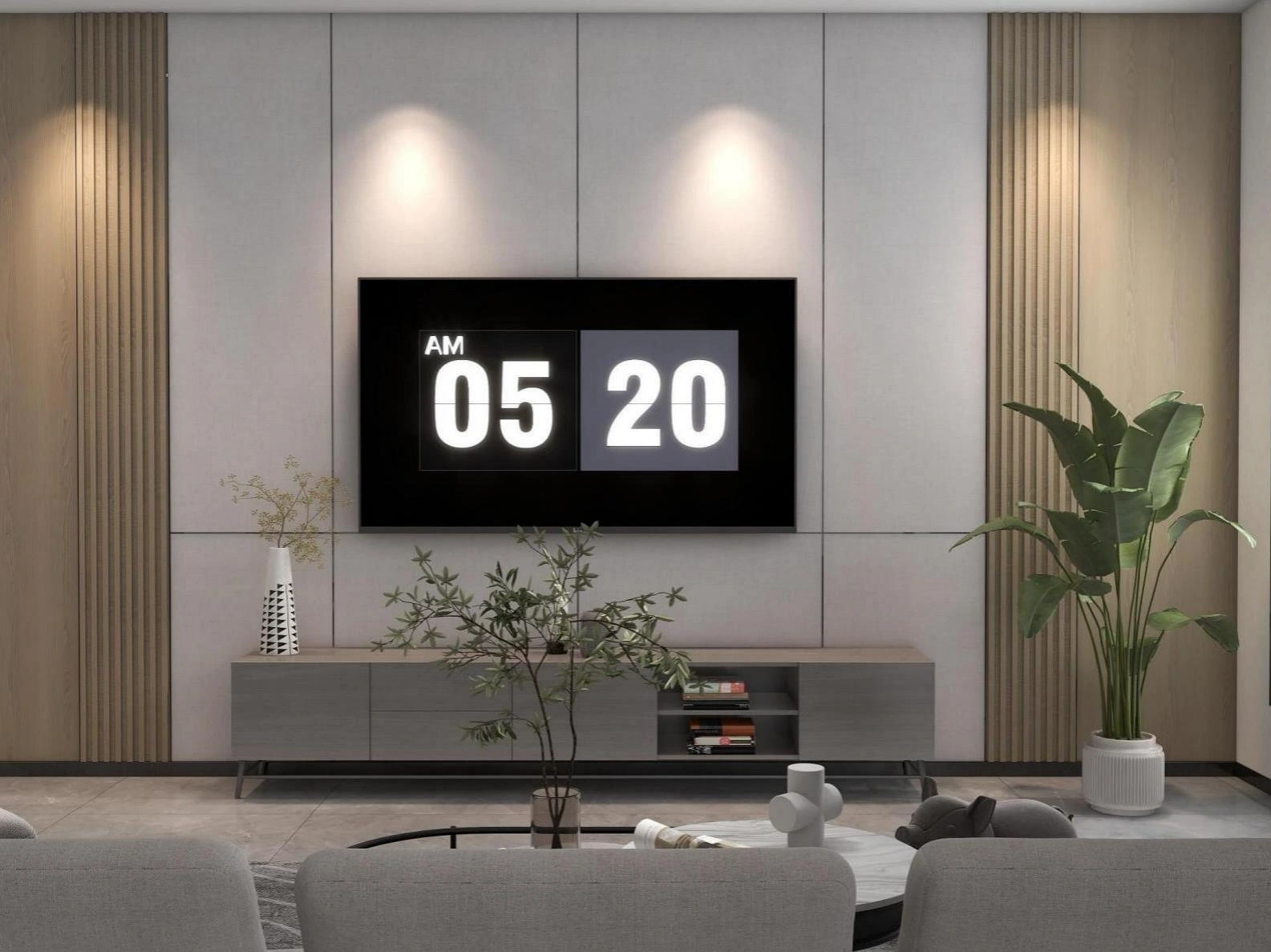
Acoustic panels have grown very popular as a result. Panels made from Wood Plastic Composite (WPC) stand out. They offer both good looks and strong noise control. WPC mixes wood with high-density PE. This gives profiles that look like real timber. At the same time, they are highly durable and need little maintenance, even in tough weather.
“WPC wall panels greatly lower noise by absorbing and insulating sound. They also keep an elegant appearance and stay eco-friendly.”
II. Comparison with Traditional Materials
Builders often use drywall or painted gypsum boards for interior walls. These materials are flat and hard. They do very little to absorb sound. Instead, they bounce sound waves back into the room. This causes echoes and long reverberation, especially in big or open areas.
WPC acoustic panels work differently. They are built to soak up sound instead of reflecting it. Wood-plastic composite wall panels have become a common choice for decoration. They serve as a great replacement for old wood panels. Composite panels keep the strengths of wood panels. They also add many extra advantages of WPC. These panels help a lot in open-concept areas where acoustics are hard to manage.
III. Composition and Design Features Contributing to Acoustic Performance
WPC panels perform well with sound because of their materials and surface design. Decorative Panel (WPC, Wood Plastic Composite) is a modern mix. It includes natural wood powder, plant fibers (like cane), lightweight calcium carbonate (stone powder), and polymer resin.
Latitude Interiors uses wood powder sized 80-120 mesh. We add a high amount of sandalwood powder. This fine powder improves the look of the surface. Its porous quality also helps absorb sound.
Extra design elements raise performance further. These include fluted grooves, small holes, or added backing layers—such as recycled felt or fiberglass. The foamed wood-plastic material has a good cellular structure. This structure rounds off crack tips and stops cracks from growing. Those small cavities trap sound waves. They turn sound energy into heat through friction inside the material.
IV. Mechanisms of Noise Reduction
WPC panels quiet rooms in two main ways: sound absorption and sound insulation.
Sound absorption is the key benefit. The panels catch incoming sound waves. They reduce reflection. This cuts down reverberation in the space. The wood fiber and foamed parts in WPC make this work well. Excellent Sound Absorption and Energy Efficiency: They absorb sound effectively and help save energy. This can lead to over 30% energy savings indoors.
Sound insulation means blocking noise from passing between rooms or from outside. WPC panels give some insulation thanks to their density and layers. However, this is usually a secondary advantage.

V. Factors Influencing Effectiveness
Several things affect how well WPC acoustic panels reduce noise:
- Thickness and density: Thicker and denser panels absorb more. They have extra material to spread out sound energy.
- Surface design: Deeper grooves and complex patterns increase the area that meets sound waves. This allows more contact. It improves dissipation.
- Backing materials: Panels with good recycled felt or fiberglass backing perform much better. These layers trap additional sound.
- Foaming agents: Sodium bicarbonate foaming agent keeps gas volume steady. It rounds crack tips and prevents crack growth. This strengthens the structure. It also improves acoustic dampening by creating more internal voids.
VI. Advantages and Limitations
WPC panels bring clear benefits for acoustic use:
- Effective noise reduction: Their build lets them absorb sound well inside a room.
- Enhanced ambiance: They lower echo and reverberation. This creates calmer spaces.
- Aesthetic flexibility: Many colors are available. They give a natural wood texture and grain. Users can customize colors to fit their taste.
Still, there are some limits to note:
- Moderate insulation: They block less noise between rooms than special soundproofing options, like dense mineral wool or heavy drywall systems.
- Visual vs functional trade-offs: Smooth or simple designs may give up some acoustic power compared to deeply grooved or perforated versions made mainly for sound control.
- Installation constraints: Best results depend on proper setup. This includes correct spacing and suitable backing materials.

VII. Conclusion
WPC wall panels from companies like Latitude Interiors offer a stylish way to improve indoor acoustic comfort. They do not sacrifice design quality. The product is environmentally friendly. It contains no pollution or harmful substances. It can be recycled. Their mix of eco-friendly materials—like sandalwood powder—plus smart foaming agents such as sodium bicarbonate and precise surface treatments makes them very good at reducing echo. They also improve speech clarity in closed spaces.
They shine at absorbing noise inside one room. However, for blocking sound between rooms or floors, expectations should stay realistic. Extra steps may be needed based on the project.
In the end, WPC acoustic panels provide a strong balance. They combine beauty with practical acoustic performance. This makes them a favored option for architects, designers, and owners who want both style and function in today’s interiors.
FAQ
Q: What makes WPC panels effective as acoustic wall panels?
A: WPC acoustic wall panels do well with sound absorption. This comes from their wood fiber content, porous build, and features like grooves or small holes. These trap sound waves and turn them into heat.
Q: Can acoustic wall panels made from WPC completely soundproof a room?
A: No. WPC acoustic wall panels mainly cut echo and reverberation by absorption. They provide some sound insulation. For full blocking between rooms, extra materials are often required.
Q: How do design features improve the performance of acoustic wall panels?
A: Elements like fluted grooves, perforations, and backing layers (such as recycled felt) increase surface area. They trap more sound. This leads to stronger noise reduction.
Q: Are WPC acoustic wall panels suitable for both homes and offices?
A: Yes. WPC acoustic wall panels work well in homes and commercial spaces. They control noise effectively. They also add beauty with natural wood-like textures.