
Choosing the right commercial SPC flooring wear layer is not just a product specification task. It affects service life, maintenance cost, visible surface damage, replacement cycles, and the risk of complaints after installation. For contractors, distributors, hotel developers, retail chains, and project buyers, the question is rarely “What is SPC flooring?” The more useful question is: Is 12 mil, 20 mil, 28 mil, or 40 mil the right wear layer for this commercial project?
A wear layer of higher thickness will afford increased surface protection, yet this does not necessarily mean that it will be the best option for every construction. Factors such as traffic, rolling loads, cleaning procedures, entrance debris, furniture movement, method of application, cost and anticipated replacement period are important considerations. Proper purchase should be based on the compatibility of the wear layer with the actual conditions of use.
What Is the Wear Layer in Commercial SPC Flooring?
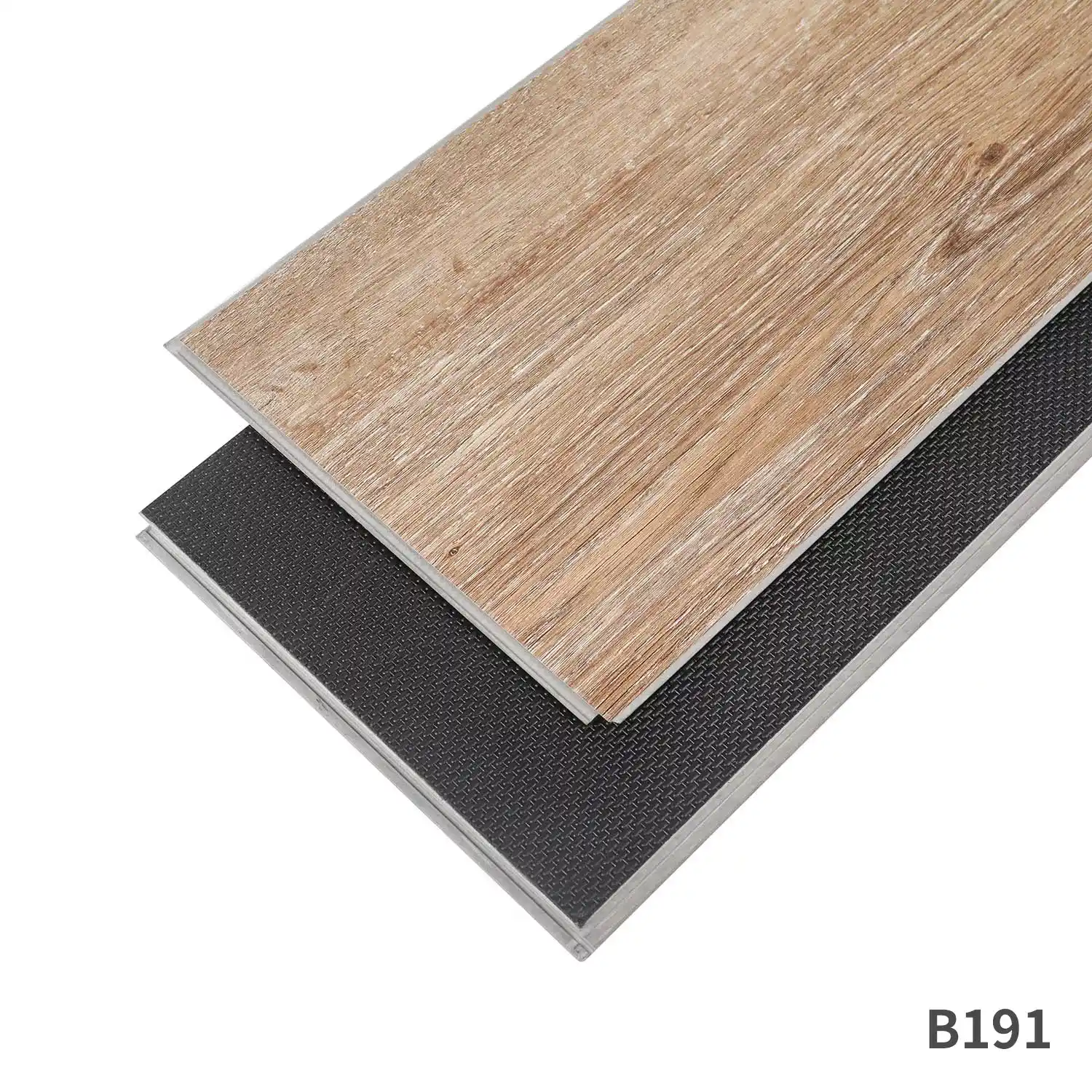
The wear layer is the transparent protective layer above the decorative film of SPC flooring. It helps protect the printed surface from abrasion, scuffing, stains, and daily foot traffic. In commercial SPC flooring, the wear layer is usually discussed in mils or millimeters. A mil is one-thousandth of an inch, so it should not be confused with millimeters.
For project buyers, this distinction matters because product quotations may use different measurement systems. A 12 mil wear layer is approximately 0.3 mm, while a 20 mil wear layer is approximately 0.5 mm. Higher specifications such as 28 mil and 40 mil are typically considered for heavier commercial traffic or special operating conditions, depending on product availability and project requirements.
Wear Layer vs Total Plank Thickness
A common purchasing mistake is treating total plank thickness and wear layer thickness as the same thing. They are related to different performance questions.
Total plank thickness may influence floor stability, locking strength, comfort, backing options, and tolerance over the subfloor. Wear layer thickness mainly affects the protection of the decorative surface during use. A 6 mm SPC plank with a thin wear layer may not perform like a thinner plank with a stronger commercial-grade wear layer in high-traffic areas.
For commercial projects, both values should be checked. The specification sheet should clearly state board thickness, wear layer thickness, installation system, backing foam, surface texture, and intended application.
12 Mil vs 20 Mil vs 28 Mil vs 40 Mil: Which Wear Layer Fits Your Project?
The correct SPC flooring wear layer depends on traffic intensity, maintenance conditions, and the cost of replacement. A small office does not need the same surface protection as a hospital corridor or a busy retail entrance.
| Wear Layer | Approx. mm | Suitable Commercial Use | Purchasing Note |
|---|---|---|---|
| 12 mil | 0.3 mm | Light commercial rooms, small offices, low-traffic areas | Suitable when traffic is controlled and replacement risk is low |
| 20 mil | 0.5 mm | Offices, hotels, apartments, retail stores, general commercial spaces | A practical baseline for many commercial SPC flooring projects |
| 28 mil | 0.7 mm | Higher-traffic corridors, schools, public areas, longer-cycle projects | Useful when maintenance cost and replacement disruption are major concerns |
| 40 mil | 1.0 mm | Heavy-duty or specialty commercial environments | Should be verified against product specification, budget, and actual need |
12 Mil SPC Flooring for Light Commercial Areas
A 12 mil SPC flooring wear layer may be suitable for low-traffic commercial spaces such as private offices, meeting rooms, small showrooms, back-office areas, or temporary project spaces. It can be a cost-conscious choice when foot traffic is predictable and the floor is not exposed to constant rolling loads or abrasive dirt.
However, 12 mil should be used carefully in entry areas, school corridors, busy retail aisles, healthcare spaces, or high-turnover rental units. These areas usually involve more footwear abrasion, furniture movement, carts, cleaning machines, or sand carried from outside. If the floor is underspecified, visible wear may appear earlier than expected.
20 Mil SPC Flooring for General Commercial Projects
For many commercial buyers, 20 mil SPC flooring is a safer baseline. It is often considered suitable for offices, hotel rooms, apartments, retail areas, restaurants, and other spaces with moderate daily traffic. A 20 mil wear layer can help balance cost, surface durability, and project availability.
This does not mean every 20 mil product performs the same. Surface coating, UV treatment, core quality, installation accuracy, subfloor condition, and maintenance practice all affect long-term performance. Buyers should review the full product specification rather than judging the floor by wear layer alone.
28 Mil SPC Flooring for Heavy Foot Traffic
A 28 mil wear layer may be considered when the flooring must support heavier foot traffic or a longer replacement cycle. Examples include hotel corridors, public walkways, chain retail stores, schools, training centers, and commercial buildings where temporary closure for replacement would be costly.
The purchasing logic is different from a residential project. In B2B flooring procurement, the lowest material price can become expensive if the surface wears too quickly, causes complaints, or requires early replacement across multiple rooms or locations.
40 Mil SPC Flooring for Extreme or Specialty Applications
A 40 mil commercial vinyl flooring wear layer is usually relevant when the project involves very heavy traffic, special durability expectations, or demanding operating conditions. It may be discussed for airports, healthcare corridors, large public facilities, supermarkets, or other high-use environments.
For most standard commercial projects, 40 mil should not be selected automatically. It may increase material cost without solving problems caused by poor installation, improper subfloor preparation, unsuitable cleaning chemicals, or rolling load damage. Project buyers should verify whether this specification is available for the required design, size, finish, and installation system before including it in an RFQ.
Why Commercial SPC Floors Fail Early When the Wear Layer Is Underspecified
Early flooring failure is not always caused by poor material quality. In many commercial projects, the flooring is simply specified for the wrong environment. A light commercial wear layer may look acceptable at installation but struggle under daily conditions that were not considered during procurement.
Heavy Foot Traffic and Abrasive Dirt
Commercial floors rarely wear evenly. Entrances, checkout areas, elevator lobbies, corridors, and reception zones usually receive the most abrasion. Fine sand and hard particles from shoes can act like grinding material on the floor surface. Even with routine cleaning, these areas may need a stronger wear layer than private rooms or low-use zones.
Rolling Loads and Furniture Movement
SPC flooring used in offices, hotels, hospitals, and retail spaces may face rolling chairs, luggage carts, service trolleys, movable furniture, or cleaning equipment. These loads can increase surface stress, especially when the same route is used repeatedly.
Wear layer thickness can help, but it is not the only factor. The buyer should also check core stability, locking system, installation method, subfloor flatness, and whether furniture pads or entrance mats are needed.
Maintenance Chemicals and Cleaning Frequency
The floor at a healthcare center, restaurant, or shopping area can be more frequently cleaned than that of a private office. The chemicals used for cleaning, scrubbing pads, and wet maintenance practices must be appropriate for the floor finishes. Before purchasing any SPC flooring in bulk for commercial purposes, the maintenance department needs to check the cleaning requirements from the manufacturer.
How to Match Wear Layer Thickness with Commercial Applications
A useful specification process starts with the actual space, not the catalog. Project teams should list traffic level, room function, risk areas, rolling loads, cleaning method, expected replacement cycle, and budget range before selecting the wear layer.
Offices and Meeting Rooms
For private offices, meeting rooms, and light-use administrative areas, 12 mil or 20 mil may be considered depending on the expected service life and furniture movement. If rolling chairs are common, 20 mil is usually a more conservative choice.
The buyer should also review total plank thickness, backing foam, and installation method. An office project may need sound control, easy replacement, and stable locking performance more than an extremely thick wear layer.
Hotels, Apartments, and Retail Stores
Hotel rooms, apartment units, and retail spaces often benefit from 20 mil or 28 mil SPC flooring, depending on traffic and replacement strategy. A hotel room may have moderate traffic, while corridors, lobby areas, and service paths experience much heavier use.
For multi-room projects, batch consistency is also important. Color variation, texture mismatch, or inconsistent plank dimensions can create problems when installation is repeated across many rooms.
Healthcare, Schools, and Public Corridors
Healthcare facilities, schools, public corridors, and transportation-related buildings usually require a more careful specification process. These environments may involve frequent cleaning, wheeled equipment, high foot traffic, and a greater cost of downtime.
For these projects, 28 mil or 40 mil may be discussed, but the final choice should be verified against the product specification, safety requirements, slip resistance expectations, fire performance documentation, and installation conditions.
Procurement Checklist for Commercial SPC Flooring Buyers
Commercial flooring procurement should not stop at asking for a price per square meter. A complete RFQ helps suppliers recommend the right SPC flooring wear layer and reduces the risk of receiving a product that looks correct but does not fit the project.
Confirm Wear Layer in Both Mil and Millimeter
Ask the supplier to state the wear layer in both mil and millimeter. For example, 12 mil is approximately 0.3 mm, while 20 mil is approximately 0.5 mm. This avoids confusion when comparing quotations from different suppliers.
Latitude Interiors’ SPC Flooring category includes products with board thickness options from 4.0 mm to 8.0 mm and visible wear layer options such as 0.3 mm and 0.5 mm on listed SPC flooring product pages. For project orders, buyers should confirm the exact specification for the selected SKU before approval.
Ask for Total Thickness, Backing, and Installation Method
The wear layer is only one part of the floor. Buyers should also confirm:
- Total board thickness
- Locking system or glue-down installation
- IXPE or EVA backing options if required
- Surface texture and finish
- Size and plank format
- Slip resistance expectations
- Fire-retardant or other required documentation
- Packaging and batch labeling for bulk orders
These details are especially important for contractors and distributors who need repeatable installation performance across multiple project sites.
Check the Real Traffic Level Before Ordering
A distributor may receive a request for “commercial SPC flooring” without enough detail. Before quoting, it is better to ask where the floor will be installed: hotel room, corridor, school classroom, retail aisle, hospital waiting area, apartment unit, office, mall, or restaurant.
The same floor may perform differently in each setting. Traffic intensity, cleaning schedule, furniture movement, moisture exposure, and replacement expectations should all guide the wear layer decision.
How to Choose a Reliable SPC Flooring Supplier for Commercial Projects
A qualified SPC flooring supplier should help buyers connect project conditions with realistic specifications. The supplier should not only ask for color and quantity. For commercial projects, important questions include traffic level, installation area, total floor area, plank size, backing requirement, surface finish, installation system, and required documentation.
Specification Support Matters More Than a Simple Price Quote
A low price is not helpful if the wear layer is too thin for the project or if the product cannot meet installation requirements. Buyers should compare suppliers based on whether they can provide clear product specifications, sample support, consistent batch information, and practical communication before bulk production.
Latitude Interiors Limited focuses on WPC, SPC solid core wall panels, flooring, and overall home decoration materials. The company information on About Latitude Interiors presents its background in research, development, and production, which can help project buyers understand the supplier profile before discussing SPC flooring orders.
Samples and Documentation Reduce Procurement Risk
Before placing a bulk order, buyers should request product samples and verify the specification against the project requirement. For commercial SPC flooring, the sample review should not focus only on color. It should also check surface texture, plank thickness, backing, locking profile, finish consistency, and wear layer information.
For distributors, contractors, and project buyers comparing multiple flooring options, Latitude Interiors can be reviewed as a source for SPC flooring, WPC flooring, wall panels, and related interior materials. The most practical next step is to submit the project application, target quantity, preferred size, wear layer requirement, installation method, and any required documentation.
Conclusion
SPC floor wear layers that should be selected will depend on the commercial setting. A 12 mil wear layer could suit light commercial settings, whereas 20 mil could be considered practical for office, hotel, apartment and other commercial settings. For heavy foot traffic, public corridors, school, healthcare facilities or situations where replacement cycles are longer, it may be useful to evaluate 28 mil and even 40 mil wear layer options if the specification suits the project.
There is a better way of making purchasing decisions through consideration of surface protection and the entire flooring system which includes total thickness, stability of the core, backing foam, installation, surface finish, slip resistance and cleaning conditions. Purchasers should not make decisions based on cost alone or even select the thickest wear layer alone without verifying the environment of use.
For project quotations, send the application area, traffic level, required wear layer, total quantity, preferred plank size, installation method, backing option, target finish, and any compliance documents needed. The Contact Latitude Interiors page can be used to submit project details and request product information for commercial SPC flooring selection.
FAQs
Q1: What mil wear layer is best for commercial SPC flooring?
A1: For many general commercial spaces, 20 mil is a practical baseline. Light commercial rooms may use 12 mil, while high-traffic corridors, schools, healthcare spaces, or public areas may require 28 mil or 40 mil depending on project conditions. The final choice should be verified against the product specification and expected traffic level.
Q2: Is 12 mil SPC flooring enough for commercial use?
A2: 12 mil SPC flooring can be suitable for light commercial areas such as small offices, meeting rooms, or low-traffic spaces. It may not be suitable for busy entrances, public corridors, retail aisles, hospitals, schools, or areas with frequent rolling loads.
Q3: Is 20 mil SPC flooring good for offices, hotels, and retail stores?
A3: 20 mil SPC flooring is commonly considered for offices, hotel rooms, apartments, and many general retail spaces. For hotel corridors, main retail aisles, or spaces with heavier traffic, a higher wear layer may be evaluated to reduce replacement risk.
Q4: What is the difference between SPC flooring thickness and wear layer thickness?
A4: SPC flooring thickness refers to the total plank structure, while wear layer thickness refers to the transparent protective layer above the decorative film. Total thickness can affect stability, locking strength, backing, and installation tolerance. Wear layer thickness mainly affects surface protection against daily wear.
Q5: What should be included in a commercial SPC flooring RFQ?
A5: A commercial SPC flooring RFQ should include wear layer thickness, total plank thickness, installation method, backing option, plank size, surface texture, application area, traffic level, quantity, packaging needs, and any required test reports or documentation. Clear RFQ details help the supplier recommend a more suitable specification.


