
Choosing between SPC flooring and commercial carpet is not simply a matter of appearance. For facility managers, office developers, interior contractors, and wholesale flooring buyers, the decision affects cleaning labor, indoor comfort, replacement schedules, and the total cost of operating a workplace. A practical SPC flooring vs carpet comparison must therefore look beyond the purchase price.
Latitude Interiors Limited supplies SPC flooring for residential and commercial applications, with project-oriented choices in thickness, wear layer, surface texture, and backing. These specifications make SPC especially relevant for offices where coffee spills, rolling chairs, entrance dirt, and frequent foot traffic place steady pressure on the floor.
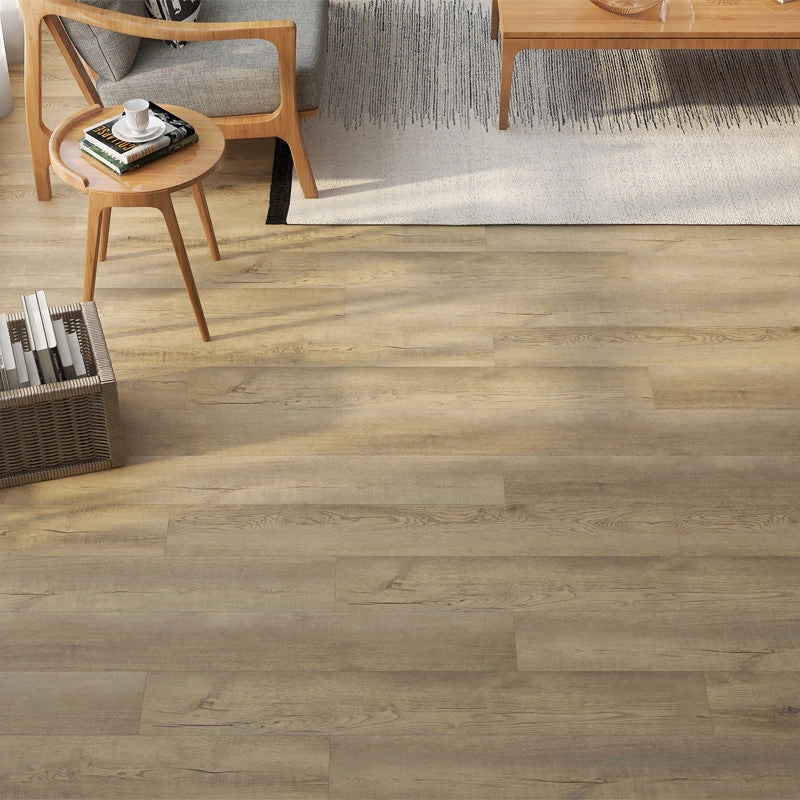
SPC Flooring vs Commercial Carpet at a Glance
SPC is a rigid-core vinyl flooring with a dense, stable construction and a non-fibrous surface. Commercial carpet may be supplied as broadloom rolls or modular carpet tiles. Each material answers a different set of office requirements.
| Decision factor | SPC flooring | Commercial carpet |
|---|---|---|
| Routine cleaning | Vacuuming, sweeping, and appropriate damp cleaning | Frequent vacuuming and periodic deeper cleaning |
| Coffee and food spills | Usually remain on the surface when addressed promptly | May penetrate fibers and backing |
| Dust visibility | Dust is easier to see and remove | Particles may settle within the pile |
| Acoustic comfort | Depends on backing and the complete floor system | Generally provides stronger sound absorption |
| Rolling office chairs | Lower rolling resistance on a suitable surface | Movement may require more effort |
| Moisture-prone areas | Commonly selected for entrances and break rooms | Requires tighter moisture control |
| Local replacement | Individual planks may be replaceable in some systems | Carpet tiles can be replaced individually |
| Design range | Wood, stone, marble, and embossed effects | Broad color, texture, and pattern selection |
The best flooring for offices is not always one material installed from wall to wall. Many successful projects use hard flooring in circulation and spill-prone zones, then use carpet tile where sound absorption is more important.
Cleaning and Everyday Maintenance
A low-maintenance office flooring specification should reflect the way the building is actually used. Reception areas collect grit from shoes. Corridors develop visible traffic lanes. Break rooms face coffee, tea, food, and water spills. Printer areas may be exposed to ink, toner, and chair movement.
On SPC flooring, loose dirt can normally be removed through sweeping or vacuuming, followed by damp cleaning with a suitable product. Because the surface is non-fibrous, spills can often be identified and addressed before they spread into the material. This can simplify daily inspection for a facility team managing several floors or multiple properties.
Commercial carpet requires a planned vacuuming schedule. High-traffic areas may need daily attention, while spot treatment and periodic extraction cleaning add labor, equipment, and drying time. Entrance matting can reduce soil transfer, but those mats must also be cleaned and maintained.
For wholesale buyers, cleaning cost should be evaluated per square foot over the expected occupancy period. A slightly lower initial material price may lose its advantage when repeated deep cleaning and stain treatment are included.
Coffee, Ink, and Common Office Stains
Coffee is one of the clearest examples of how flooring affects daily operations. On an appropriate SPC surface, a fresh spill generally remains visible and can be wiped away quickly. On carpet, the liquid may move below the pile before maintenance staff arrive, leaving discoloration or odor even after surface cleaning.
The same principle applies to food residue, tracked-in rainwater, and printer ink. SPC should not be described as completely stain-proof, since harsh chemicals, abrasive tools, and delayed cleaning can still damage a finish. However, its smooth surface usually makes stain response more straightforward than it is on a textile floor.
This difference matters in shared kitchens, copy rooms, corridors, and collaborative areas where spills are predictable rather than exceptional. Latitude Interiors offers multiple SPC surface effects, allowing buyers to balance practical cleaning requirements with the visual character expected in a modern office.
Allergens, Dust, and Indoor Air Quality
A smooth floor does not prevent dust from entering a building, but it makes settled particles easier to see and remove. Carpet fibers can hold dust, pollen, soil, and other materials brought in through entrances or ventilation systems. Well-maintained carpet can still perform successfully, but its condition depends heavily on effective vacuuming, moisture control, and scheduled deep cleaning.
For that reason, “hypoallergenic office flooring” should not be treated as an absolute product claim. Indoor air quality also depends on adhesives, backing materials, cleaning chemicals, ventilation, and the emission profile of the selected flooring.
B2B buyers should request product-specific documentation rather than relying on broad terms such as eco-friendly, zero-VOC, or antibacterial. VOC-emission reports, applicable fire classifications, slip-resistance data, and technical sheets should match the exact construction being ordered. A certificate for one flooring configuration should not automatically be applied to every thickness, backing, or installation method.
Acoustics, Employee Comfort, and Rolling Chairs
Carpet has a clear advantage in offices where sound absorption is the first priority. Its textile surface helps reduce reflected sound and may create a softer environment in meeting rooms, private offices, and call-intensive departments.
SPC is a harder material, so footsteps and moving furniture may be more noticeable. Optional IXPE or EVA backing can help manage impact sound and improve underfoot comfort, although it does not turn a hard floor into a soundproof surface. Final acoustic performance depends on the plank, backing, subfloor, room construction, and installation quality.
Hard flooring may perform better for rolling office chairs because it generally creates less resistance than carpet. Even so, buyers should consider wear-layer thickness, caster type, furniture loads, and surface protection. A heavily used open office requires a different specification from a small executive room.
Lifespan, Wear Layers, and Replacement Costs
Total board thickness is only one part of an SPC specification. The wear layer protects the decorative surface from traffic, chair movement, and routine abrasion. A 0.5 mm wear-layer option may be more appropriate for busy corridors and reception areas than a lighter specification intended for lower-traffic rooms.
Commercial carpet can lose its appearance through staining, crushing, fading, or visible traffic patterns. Carpet tile reduces replacement waste because damaged modules may be removed individually. Certain SPC installation systems may also permit individual plank replacement, but accessibility depends on the product construction and installation method.
Office flooring replacement cost should include removal, disposal, labor, furniture movement, subfloor preparation, and downtime. These indirect expenses can exceed the price difference between two materials. For a ten-year comparison, commercial flooring lifecycle cost is more useful than initial cost per square foot.
Selecting SPC Flooring for an Office Project
Office flooring procurement should begin with traffic level, room function, cleaning schedule, subfloor condition, and required technical documentation. Color and texture matter, but they should follow the performance specification rather than replace it.
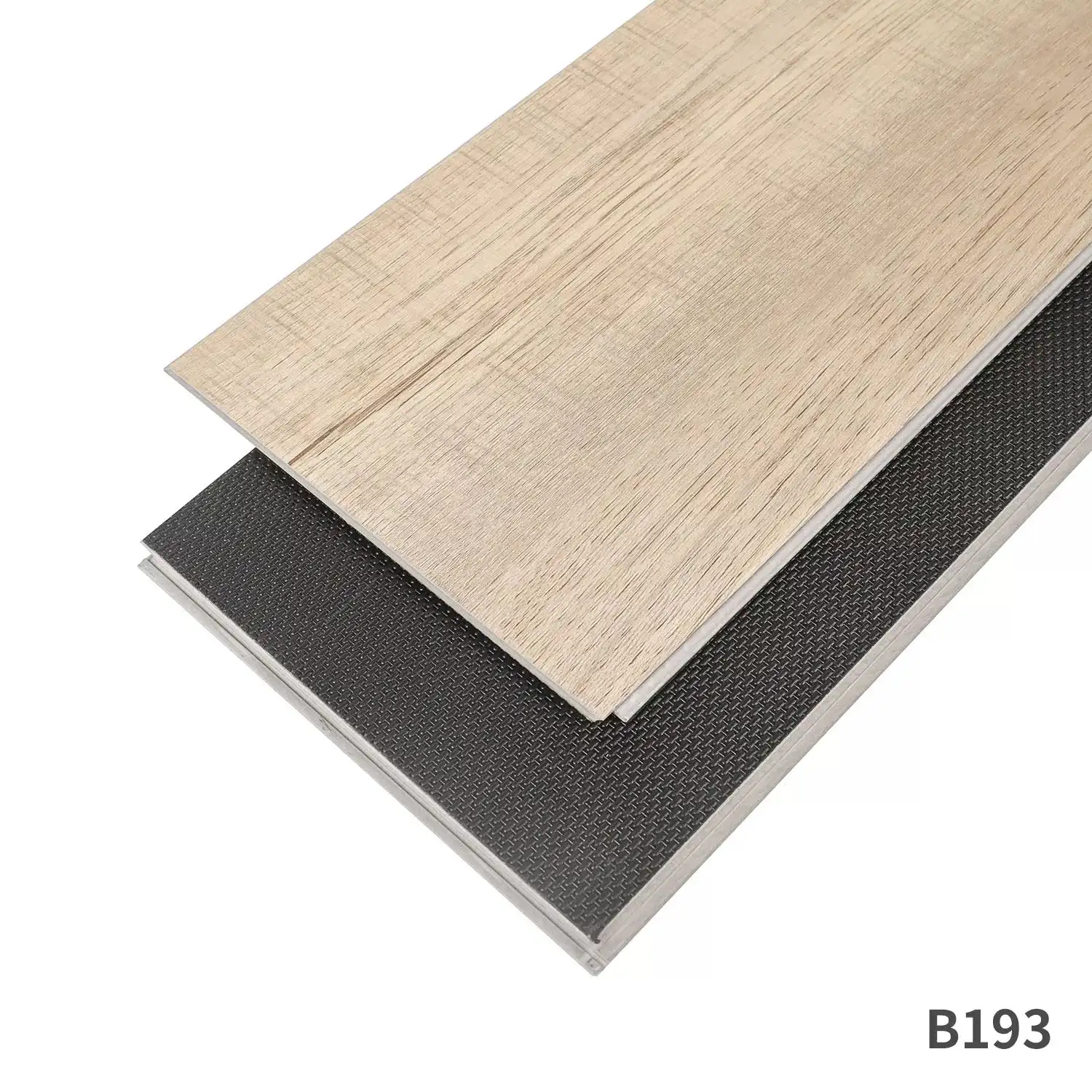
Latitude Interiors’ B193 commercial SPC flooring for office projects is listed in board thicknesses from 4 mm to 8 mm, with 0.3 mm and 0.5 mm wear-layer options. Available surface choices include wood, marble, stone, and carpet-inspired textures, while optional IXPE and EVA backing provides additional flexibility for projects concerned with comfort and impact sound. The final installation construction should be confirmed before ordering because project requirements may differ by substrate and application.
Large purchasing programs also require stable production, sampling, quality checks, packaging control, and consistent communication. Latitude Interiors presents a production base of more than 40,000 square meters, 25 production lines, an independent research laboratory, and dedicated inspection support. More information about its SPC flooring manufacturing and quality-control capabilities can help importers, distributors, and contractors evaluate the company beyond a single product page.
Which Flooring Works Best in Each Office Area?
SPC is often a practical choice for receptions, entrances, corridors, break rooms, and other areas where cleanability and spill response carry greater weight. Commercial carpet tile remains valuable in conference rooms, private offices, and open spaces where acoustic comfort is the leading concern.
A mixed-material plan can provide a stronger result than choosing a single floor for the entire building. SPC may handle the main circulation route, while carpet tile supports quieter working zones. The transition details, floor height, cleaning plan, and availability of replacement material should be settled during specification rather than after installation.
Conclusion
SPC flooring and commercial carpet serve different priorities. SPC is well suited to offices that require straightforward cleaning, resistance to routine spills, lower rolling resistance, and a broad range of wood- or stone-inspired finishes. Carpet provides greater softness and sound absorption but usually requires a more involved maintenance program.
For procurement teams, the strongest decision comes from comparing traffic, cleaning labor, technical documentation, downtime, and expected replacement cycles. Buyers planning a commercial renovation can request office flooring samples and specifications from Latitude Interiors before confirming wear layer, backing, surface finish, and order volume.
Frequently Asked Questions
Q1: Is SPC flooring better than carpet for an office?
A: SPC flooring may be better for entrances, corridors, kitchens, and other areas exposed to spills or frequent cleaning. Carpet may be better for meeting rooms and workspaces where sound absorption is the main concern. The best office flooring plan may use both materials in different zones.
Q2: Is SPC flooring suitable for rolling office chairs?
A: SPC flooring can be suitable for rolling office chairs when the wear layer, surface finish, caster type, and subfloor are appropriate. High-traffic offices should evaluate concentrated furniture loads and consider a more robust wear-layer specification.
Q3: Does commercial carpet make office allergies worse?
A: Commercial carpet does not automatically cause allergies, but its fibers can retain dust, pollen, and other particles when maintenance is inadequate. Regular vacuuming, moisture control, effective entrance matting, and scheduled deep cleaning are important parts of carpet care.
Q4: How much does it cost to replace office flooring?
A: Office flooring replacement cost includes more than new material. Removal, disposal, subfloor preparation, installation labor, moving furniture, and business disruption should all be included. Lifecycle cost over five or ten years provides a more useful comparison than the initial price alone.
Q5: What SPC wear layer is best for a commercial office?
A: The correct wear layer depends on traffic and room use. A 0.5 mm option is commonly considered for busier commercial areas, while lighter-use rooms may not need the same specification. Final selection should be based on project conditions, technical documentation, and supplier guidance.


