Introduction
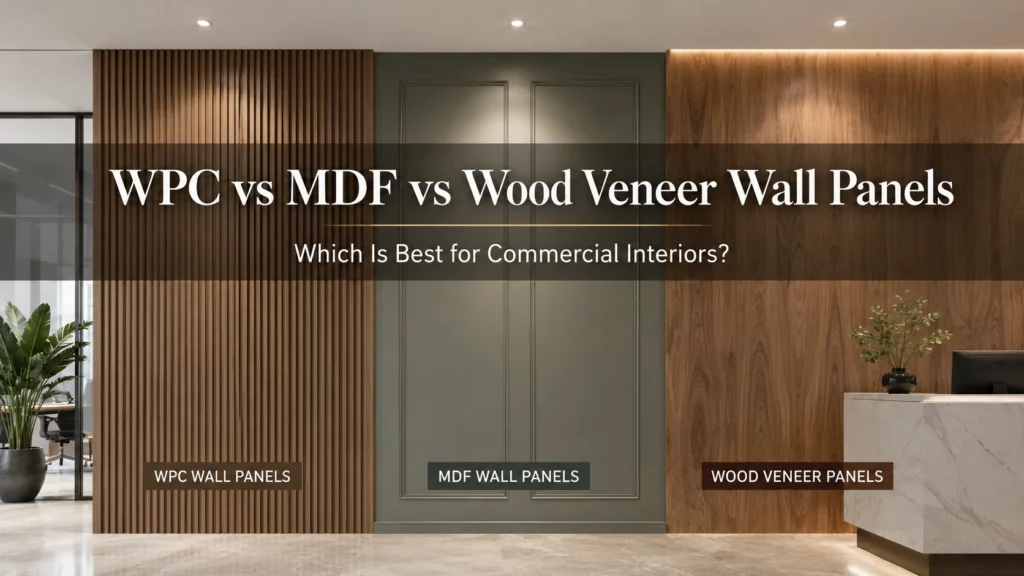
Choosing the right wall cladding material remains a critical decision for interior projects in 2026. Designers and contractors increasingly seek durable, low-maintenance solutions that perform reliably across diverse environments. WPC (Wood Plastic Composite) solid core wall panels have gained strong popularity by combining the natural aesthetics of wood with the durability and practicality of plastic.
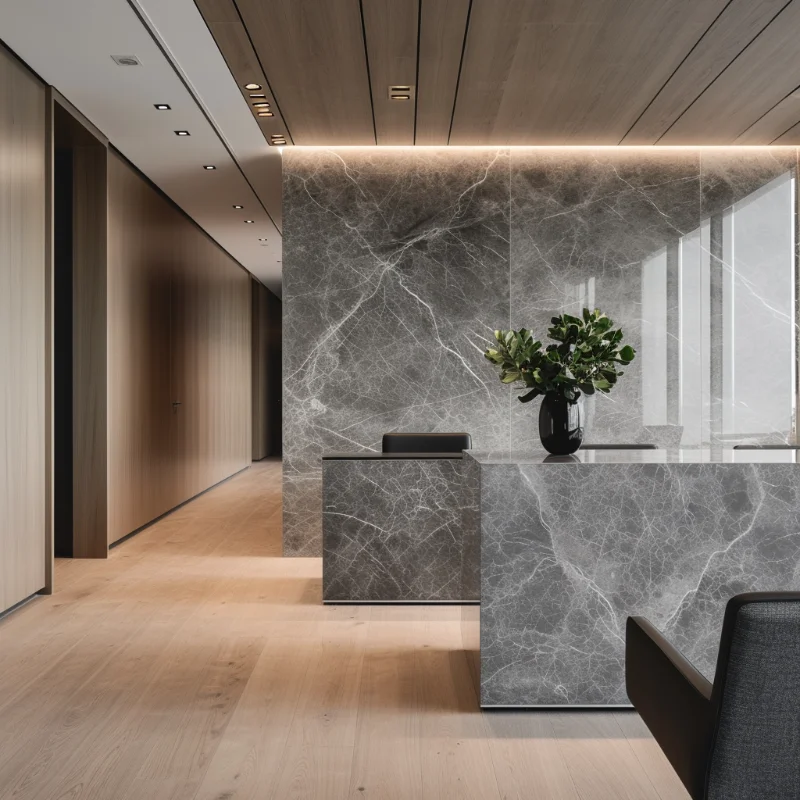
As a specialized manufacturer of premium WPC and SPC solid core wall panels, Latitude Interiors offers high-quality, moisture-proof, and zero-formaldehyde solutions designed for both residential and commercial applications. With a focus on consistent quality and practical performance, Latitude Interiors supports designers, contractors, and project teams with reliable interior finishing materials.
Understanding WPC Wall Panels: Materials and Core Advantages
WPC wall panels consist of blended materials. They mix the cozy feel of real wood with the strength of modern plastics. Decorative Panel (WPC, Wood Plastic Composite) forms a fresh blend. It includes natural wood powder, plant fibers from cane, light calcium carbonate from stone powder, and polymer resin. This setup creates a firm, steady core. The core handles tough surroundings. At the same time, it keeps a pleasing look.
On the performance side, WPC pulls together the finest traits of wood and high-density PE. This results in profiles that look like top-quality timber. Plus, they offer strong lasting power and simple upkeep. Even in rough weather, they perform reliably. The material’s top perks cover waterproof qualities, resistance to mold, no formaldehyde release, and steady size over time.
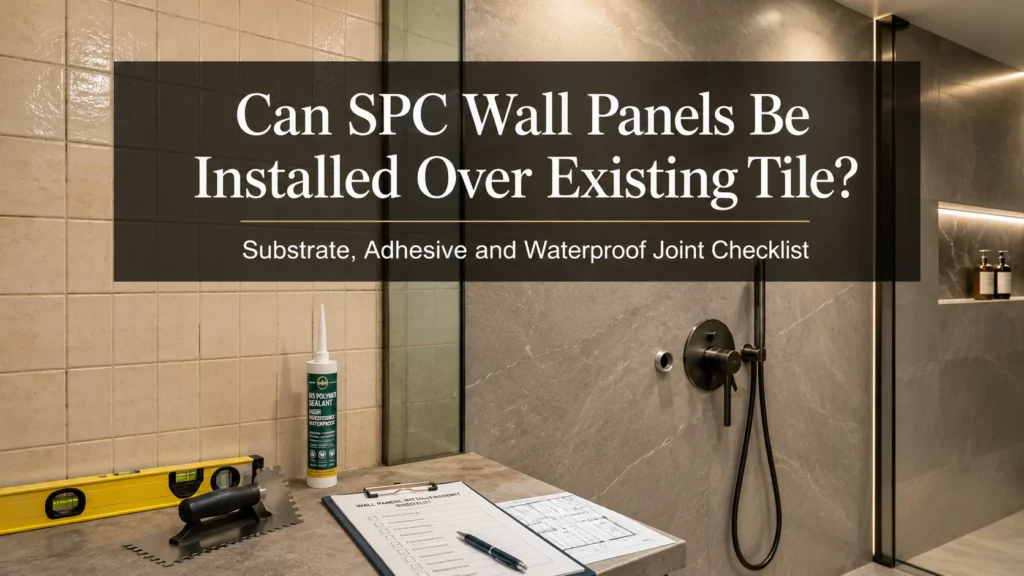
Next to old-school options like gypsum boards or ceramic tiles, WPC panels shine. They weigh less. Their setup process proves simpler too. Heavy ceramic covers need glue or grout work. WPC wall cladding uses snap-together systems or hidden clips instead. This cuts down on work hours a lot. Also, regular wood panels can twist or puff up in damp air. But WPC’s water-proof core wipes out those issues completely.
Essential Factors to Evaluate When Choosing WPC Panels
The worth of a WPC Wall Panel hinges on its makeup. Details like panel thickness, core density, and surface treatment matter greatly for how it works. In busy spots such as hallways or entry areas, thicker cores—over 12 mm—give stronger protection against bumps. For home decor jobs, though, folks might favor clear textures or color shades more than sheer density.
Key traits count too. Fire resistance at B1-grade means it stops burning on its own, which boosts safety indoors. UV steadiness keeps colors from fading under sun rays. Surface pressing adds a real touch to wood-like patterns. It offers a natural wood feel and grain. Colors can adjust to personal tastes as well.
Shoppers ought to seek certifications. Things like EN13501-1 fire standards or EN12149 formaldehyde limits show they meet global safety rules. Trusted sellers often share lab data. For instance, water uptake stays under 0.1%. Size changes after heat tests fall within ±0.05 mm.
Quick Reference Table: Key Selection Criteria
| Evaluation Factor | Recommended Range/Feature | Benefit |
|---|---|---|
| Thickness | 9–20 mm | Enhanced strength & sound insulation |
| Fire Rating | B1 or above | Self-extinguishing safety |
| Formaldehyde Emission | E0–E1 Level | Healthier indoor air |
| UV Resistance | ≥6 (ISO105-B02) | Long-lasting color retention |
| Surface Finish | Embossed / Matte / Glossy | Custom design flexibility |
Matching WPC Panels to Real-World Application Scenes
A key advantage of Latitude Interiors WPC products is their adaptability across diverse environments. For example, in coastal residential settings, the panels maintain stable performance under continuous moisture exposure.
Residential Living Rooms
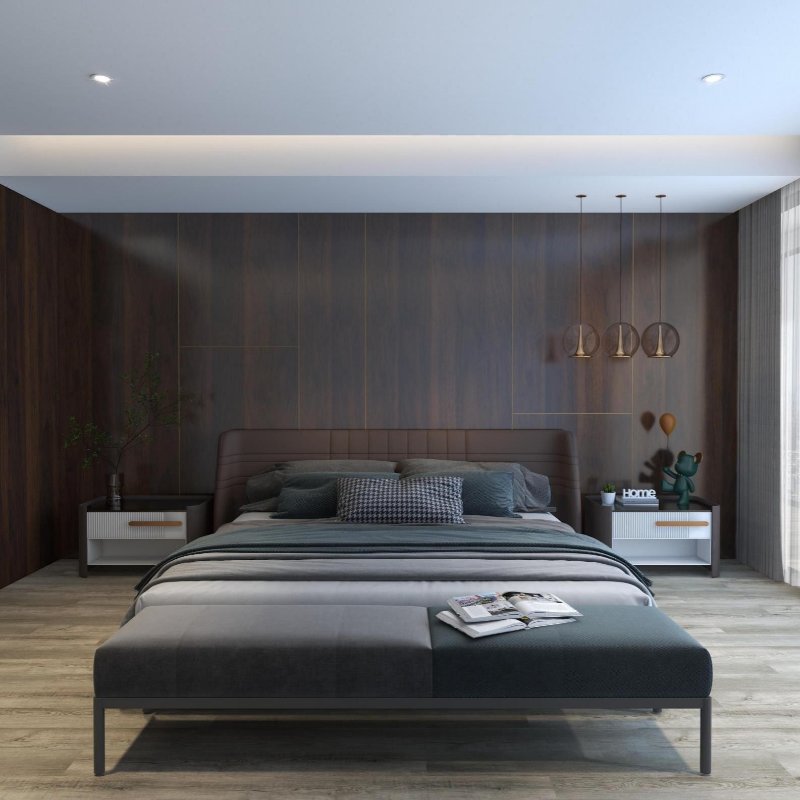
In family rooms or standout walls, creators appreciate the soft color shifts from 3D pressed surfaces. These copy oak or sandalwood feels closely. The faint grain lines bring a lively yet sleek vibe. This suits clean, simple setups perfectly. In one recent project, a 15 mm panel in walnut tone transformed a dull space into a cozy gathering spot.
Bathrooms and Wet Areas
Bathrooms call for top-notch water defense. Waterproof and Moisture-proof: It tackles the problems of old wood goods rotting, swelling, or bending in steamy, wet spots. This makes WPC wall cladding a smart choice for shower walls or spa corners. Humidity runs high there all the time. Data from field tests shows no warping even after months of steam exposure.
Commercial and Hospitality Settings
Hotels and office setups gain from fast setup times. That’s a huge plus when schedules tighten. The built-in lock system lets teams cover big areas without glue or fasteners. On top of that, the no-formaldehyde makeup aids green building nods like LEED. A mid-sized hotel chain installed 500 square meters in a weekend, cutting costs by 20%.
Kitchens and Retail Environments
Kitchens or store insides prioritize cleanliness. Non-porous tops fight off spots from grease or cleaners. Steady colors hold up under store lights. This proves key for brand stores wanting the same look across branches. In a busy cafe, panels shrugged off daily spills and stayed spotless with just soap wipes.
Quality Assessment and Supplier Considerations
Ahead of buying, teams should ask for test reports. These cover water resistance via soak trials, size steadiness in heat cycles, and limits on VOC releases.
Useful questions for sellers include:
- What stabilizers go into making them?
Compared to composite lead salt stabilizers, calcium-zinc stabilizers have the advantages of being more environmentally friendly and exhibiting good thermal stability. - Do custom patterns or sizes work for odd building shapes?
- How even is the color from one batch to the next?
Looking at costs means more than the starting price. Factor in long-run value. A higher-end panel might run a bit extra at first. Yet it skips repaints or swaps for years, thanks to built-in toughness. Industry pros note that over 10 years, this saves up to 30% on total upkeep.
Installation, Maintenance, and Long-Term Performance Tips
Setup mirrors flooring methods. Panels fit together smoothly with tongue-and-groove edges. They fasten to aluminum frames or wood strips. Simple to install with a straightforward construction process, saving both time and costs. Basic tools like power drills help line things up right. No edge harm occurs.
Daily care uses gentle soap washes. Skip harsh rubs to keep coatings intact. Since WPC Wall Cladding fights cracking or growing under temps from –30°C to 60°C (Weather resistant , suitable from -30 to 60 ℃), it holds its shape after long use. In hot summers or cold winters, panels in a test home showed zero shifts.
Good airflow behind the panels stops moisture traps. That’s a minor point, but it counts big in muggy areas.
Conclusion
Selecting WPC wall panels in 2026 requires balancing design intent with functional performance. From residential applications focused on comfort to commercial projects requiring efficiency, Latitude Interiors’ solid-core panels deliver reliable durability and refined aesthetics. Verified water resistance and zero-formaldehyde construction align with current sustainability standards, while diverse finishes support flexible design solutions.
For further information or project-specific requirements, contact Latitude Interiors for technical consultation, detailed specifications, or sample support.
FAQs
Q1: What are the main performance differences between WPC wall panels and traditional wall cladding materials?
A: Old materials like gypsum soak up dampness fast and need regular fixes. WPC Wall Cladding mixes plastic strength with a wood-like style. It brings waterproofing, grip against slips, and little care required.
Q2: How do WPC panels perform in high-moisture areas such as bathrooms or hotel shower zones?
A: Their dense blend core—from wood fibers mixed with polymers (30 % HDPE + 60 % wood fiber + 10 % additives)—ignores humidity. This fits wet spots perfectly. No swelling or mold shows up.
Q3: What key specifications should be reviewed to ensure WPC panels suit a specific commercial interior project?
A: Look at thickness (≥12 mm), fire rating (B1 level), UV resistance (≥6), formaldehyde emission level (E0–E1), and dimensional stability tolerance (<±0.05 mm). These prove the build holds under daily pressures.
Q4: Are WPC wall panels suitable for both residential living rooms and larger hospitality applications?
A: Yes. The piece-by-piece setup scales easily. It works for home accent walls or full lobby covers in hotels. Looks stay uniform no matter the job size.
Q5: What factors contribute to the long-term durability and low-maintenance qualities of quality WPC wall panels?
A: Toughness comes from steady resins like calcium-zinc mixes. They block breakdown in heat (Calcium-Zinc stabilizer… ensuring better thermal stability). With UV-safe colors and slip-proof tops, wear stays low. Care remains almost hands-off over years.