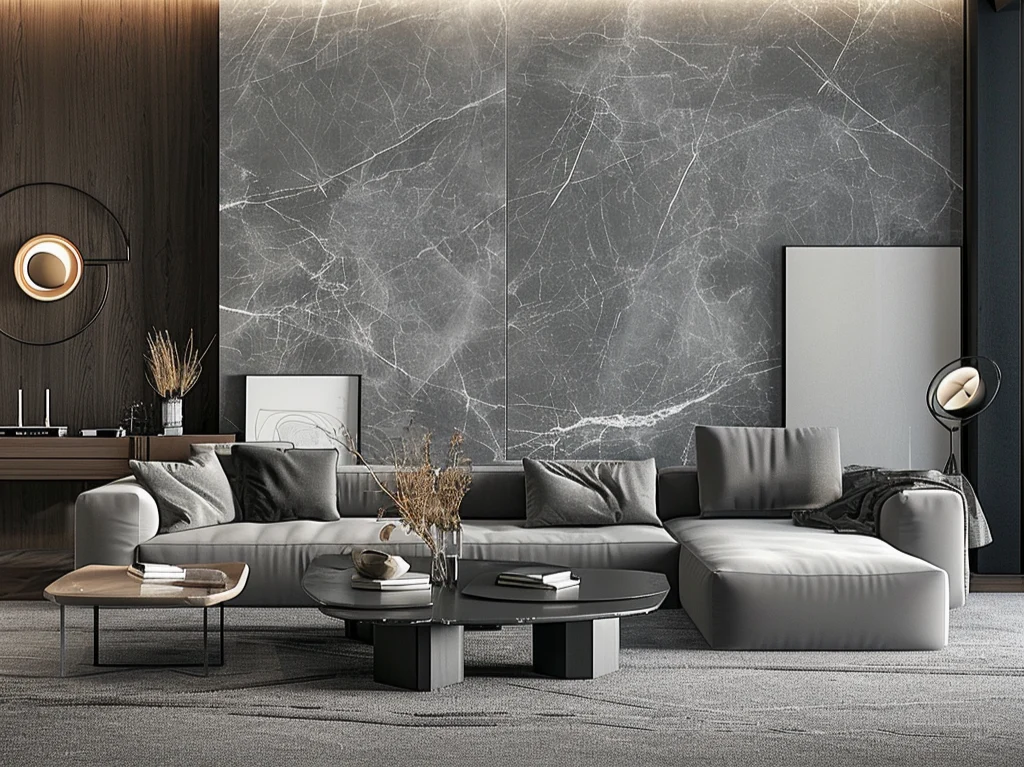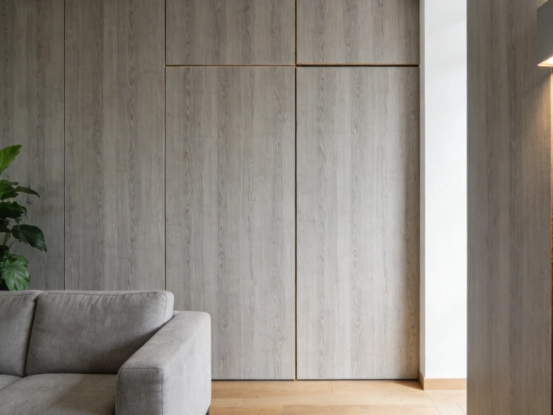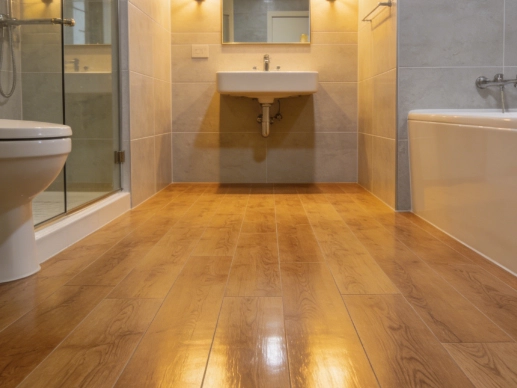
Interior wall panels have changed the way we decorate homes and offices. They copy natural textures well. They are simple to maintain and install. Wall panels serve as a clever substitute for old-style wall coverings. The top types include laminate panels and WPC (Wood Plastic Composite) wall panels.
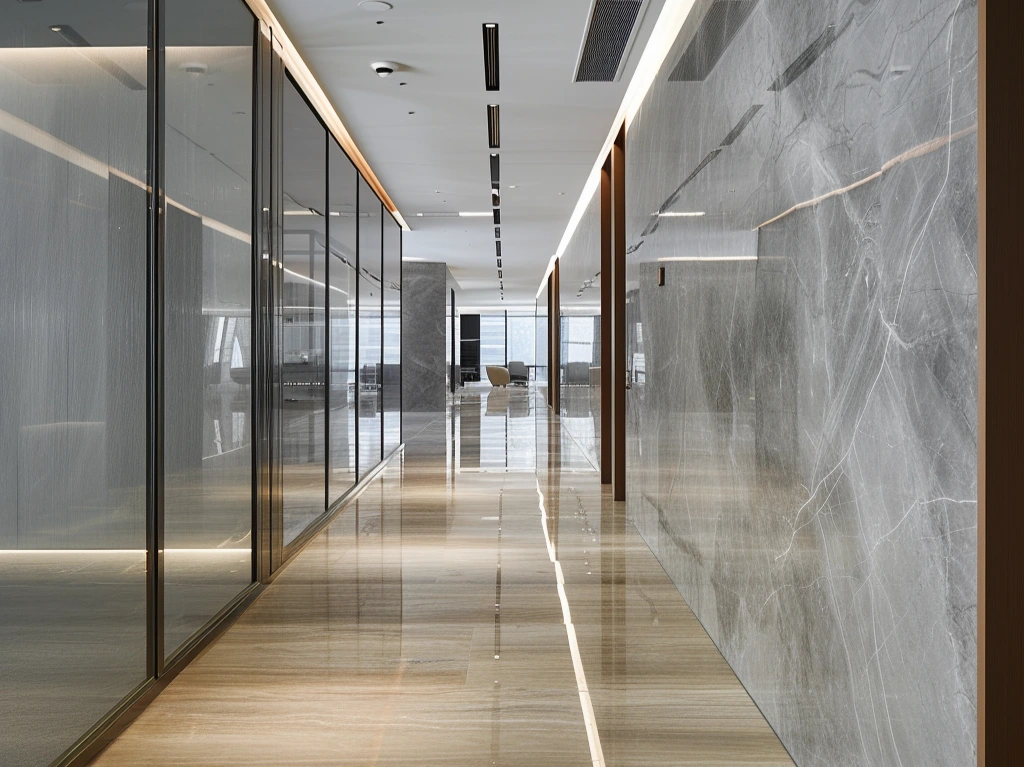
Laminate panels have been popular for years. People like them because they are cheap and come in many styles. But lately, WPC wall panels have become quite popular. They stand out for their strength and green qualities. Picking between these two can be tough. Both bring unique advantages.
This piece will look at the main differences between laminate and WPC wall panels. It covers several key areas. This will help you pick the right one for your indoor walls.
Key Considerations for Interior Wall Panels
When you choose wall panels, check them on various practical and visual aspects:
- Durability: How well they stand up to wear, bumps, and aging.
- Moisture Resistance: How they handle damp spots like bathrooms or kitchens.
- Installation Ease: How simple and what tools the setup needs.
- Maintenance: How often and how much work it takes to keep them clean and good.
- Cost: Upfront price and value over time.
- Appearance & Design Options: Range of looks and how real the surface feels.
These elements together shape how useful and attractive your spaces will be.
What Is Laminate Wall Panel?
Laminate wall panels are man-made items. They form by pressing several layers of paper or cloth with resin onto a base board. The base is usually MDF or HDF. The outer layer has printed patterns and a tough cover for protection.
Pros:
- Affordable: Laminate panels rank as one of the cheapest ways to cover walls.
- Variety of Designs: You can find them in endless colors, patterns, and finishes.
- Scratch & Stain Resistant: They work great in busy spots thanks to the strong top layer.
Cons:
- Poor Water Resistance: Base materials like MDF can puff up or twist in damp conditions.
- Difficult to Repair: Harm such as peeling or chips usually means you must swap the whole panel.
- Less Natural Look: The printed tops might seem fake next to real wood feels.
What Is WPC Wall Panel?
WPC (Wood Plastic Composite) wall panels form by mixing wood fibers, plastic polymers (often HDPE), and extras. Workers shape them into solid, strong boards under high heat.
WPC blends the top traits of wood and dense PE. It gives you boards that look like fine timber. Plus, it offers great strength and little upkeep. This holds true even in tough weather.
Pros:
- Excellent Moisture Resistance: Waterproof and Moisture-proof: It solves problems of old wood items rotting, swelling, or bending in wet or damp places.
- Highly Durable: Strong and solid due to its dense build. This ensures long life in busy spots.
- Natural Wood Look: It appears and touches like real wood. This comes from modern pressing and coating methods.
- Easy Installation & Maintenance: Simple Installation: Setup is straightforward. It cuts time and money.
- Eco-Friendly: 100% recycle , environmental friendly, saving forest resources
Cons:
- Higher Initial Cost: They cost more than laminate at the start.
- Fewer Design Variants: Choices are growing, but WPC has fewer styles than laminate right now.
Laminate vs WPC – Key Differences
| Feature | Laminate Wall Panel | WPC Wall Panel |
| Material Composition | Resin + Paper + MDF/HDF Core | 30% HDPE + 60% wood fiber + 10% additives |
| Moisture Resistance | Low | Waterproof and Moisture-proof |
| Durability | Moderate | Durable , firm because of its high density |
| Installation | Requires glue/nails | Easy to install with a straightforward construction process |
| Maintenance | May require polishing/repairs | Low maintenance |
| Design Variety | Very high | Moderate but improving |
| Eco-Friendliness | Often contains chemicals | High Environmental Friendliness, Non-polluting, No Harm |
| Aesthetic Realism | Less realistic | Looks and feels like natural wood |
| Cost | Lower | Higher |
Laminate panels build with pretty layers stuck on man-made wood bases. They are light but weak against dampness. On the other hand, WPC panels mix natural fibers and plastics. This gives them solid structure. It also boosts how they perform in different settings.
WPC wall panel service beats laminate in damp spots or places needing more toughness. Think of kitchens or business areas. Laminate works fine for tight budgets. It shines in style options. Yet it falls short when facing strain or water.
WPC brings wins in strength, water resistance, green aspects, and true looks. These give better worth over time. Even if the starting price is higher.
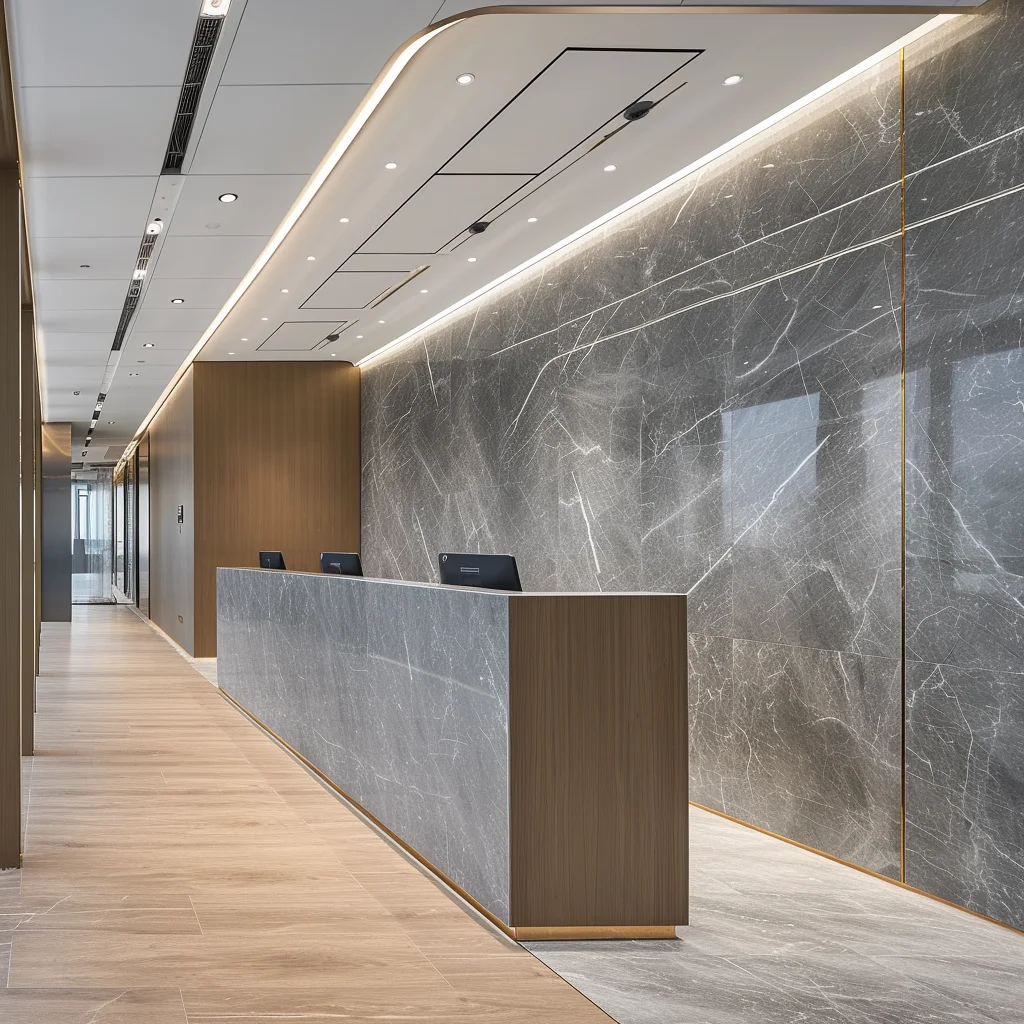
Choose Latitude Interiors WPC for Your Walls!
WPC wall panels are turning into the main pick for fresh interiors. They offer top performance. They need little care. And they give real wood-like style. They resist slips and almost no upkeep. Our top WPC composite decking looks natural. It stays splinter-free. Cleaning is easy. It lasts for years.
Latitude Interiors WPC wall panels shine with smart design and green standards. The item shows great resistance to weather and wear. It goes beyond normal levels. We back it with a 20-year warranty.
Be it updating a house or planning office spaces, Latitude Interiors’s options bring calm and fine style.
FAQ
Q: How long does a WPC wall panel last?
A: A top-quality WPC wall panel, like those from Latitude Interiors, often lasts over 20 years if set up right. It provides strong toughness, resistance to aging, and a long warranty. This beats older choices.
Q: Is a WPC wall panel eco-friendly?
A: Yes, WPC wall panels are very eco-friendly. They use recycled wood fibers and plastics. They are 100% recyclable. They help protect forests. And they rely on safe stabilizers like Calcium-Zinc, not bad chemicals.