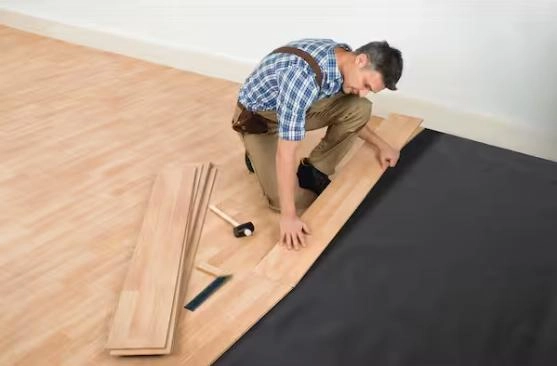
The subfloor conditions for WPC flooring are frequently ignored till any click lock floor becomes defective and creates problems with gaps, hollowness, joint strain, and moisture issues. The subfloor is an essential part of installation that affects locking quality, the surface condition, chances of the product replacement, and the overall project cost for contractors, distributors, and commercial flooring buyers.
Click lock WPC flooring may become the good option to use in hotels, apartments, schools, hospitals, malls, basements, kitchens, and other commercial places; nevertheless, the installation process of the flooring requires a proper subfloor condition that should be smooth, dry, and solid before considering any price comparison.
Why Subfloor Preparation Matters for Click-Lock WPC Flooring
Click-Lock Systems Depend on a Stable Base
The click-lock WPC floor planks are made to lock from one plank to another by means of the locking mechanism. The planks can start separating, breaking, or even peak if there is an unevenness, looseness, softness, or movement of the floor underneath due to regular stresses imposed on the locking edges.
Such a scenario is particularly critical in commercial places with heavy traffic of rolling chairs, luggage carts, service carts, and even foot traffic of cleaning equipment.
Waterproof Flooring Does Not Replace Subfloor Control
WPC flooring may be selected for moisture-prone spaces, but waterproof or moisture-proof product features do not mean the subfloor can be ignored. Moisture under the flooring can still create odor, mold risk, adhesive issues in mixed installations, or disputes after handover.
For project buyers, the key question is not only whether the flooring resists water. The better question is whether the jobsite condition is suitable for the selected WPC flooring structure and installation method.
Flatness Requirements: How Flat Should the Subfloor Be?
Why Flatness Affects Click-Lock Performance
Subfloor flatness is one of the most important WPC flooring installation requirements. If a plank bridges over low spots or rests on high points, the floor may flex during use. That movement can place pressure on the click-lock joint and make the floor feel unstable.
Flatness is not the same as level. A floor can slope slightly and still be flat enough, while a floor that looks level may have waves, dips, ridges, or uneven transitions that affect the locking system.
Practical Flatness Checks Before Installation
Contractors should use a straightedge or suitable measuring tool to check high and low areas before installation. High spots may need grinding, while low spots may need patching or leveling compound suitable for the substrate. Underlayment should not be used to hide major unevenness.
For commercial projects, flatness requirements should be verified against the product installation guide before installation starts. This helps avoid later arguments over whether the issue came from product quality or site preparation.
Concrete Subfloor: Moisture Barrier and Moisture Testing
Why Concrete Needs Special Attention
WPC flooring over concrete subfloor requires extra review because concrete can release moisture vapor even when the surface looks dry. Basements, ground-level slabs, new slabs, and older commercial buildings may all have moisture conditions that need checking before flooring is installed.
A moisture barrier may be required depending on the product, slab condition, grade level, and installation instructions. Buyers should not assume that attached backing foam automatically solves concrete moisture issues.
Moisture Barrier vs Underlayment
A moisture barrier and an underlayment are not the same thing. A moisture barrier is used to reduce moisture vapor transfer from the subfloor. Underlayment is usually used for sound control, walking comfort, or minor cushioning, depending on the flooring system.
Some WPC flooring products may already include IXPE or EVA backing options. In those cases, adding a separate soft underlayment may not be recommended unless the product specification allows it. The final decision should be verified against the selected SKU and installation guide.
Wood, Plywood and Existing Tile Subfloors
Wood and Plywood Must Be Dry and Solid
WPC flooring over plywood subfloor can work when the base is dry, secure, and structurally sound. Loose panels, squeaking areas, weak spots, old adhesive buildup, or uneven board seams should be corrected before installation.
For contractors, the goal is to create a stable base that lets the floating floor move as designed without concentrated stress at the joints.
Existing Tile Requires Stability and Smoothness
WPC flooring over tile may be possible if the tile is firmly bonded, flat, and free from hollow or loose sections. Deep grout lines, broken tiles, or uneven transitions may telegraph through the floor or create movement under click-lock joints.
If the existing floor is soft, floating, heavily damaged, or unstable, removal may be safer than covering it.
Underlayment for WPC Flooring: When It Helps and When It Causes Problems
Check Attached Backing Before Adding Extra Underlayment
Some WPC Flooring options from Latitude Interiors include backing foam choices such as IXPE or EVA, depending on the product. The listed WPC flooring specifications also include board thickness options, wear layer options, surface textures, and installation methods such as click system, loose lay, and dry back/glue down.
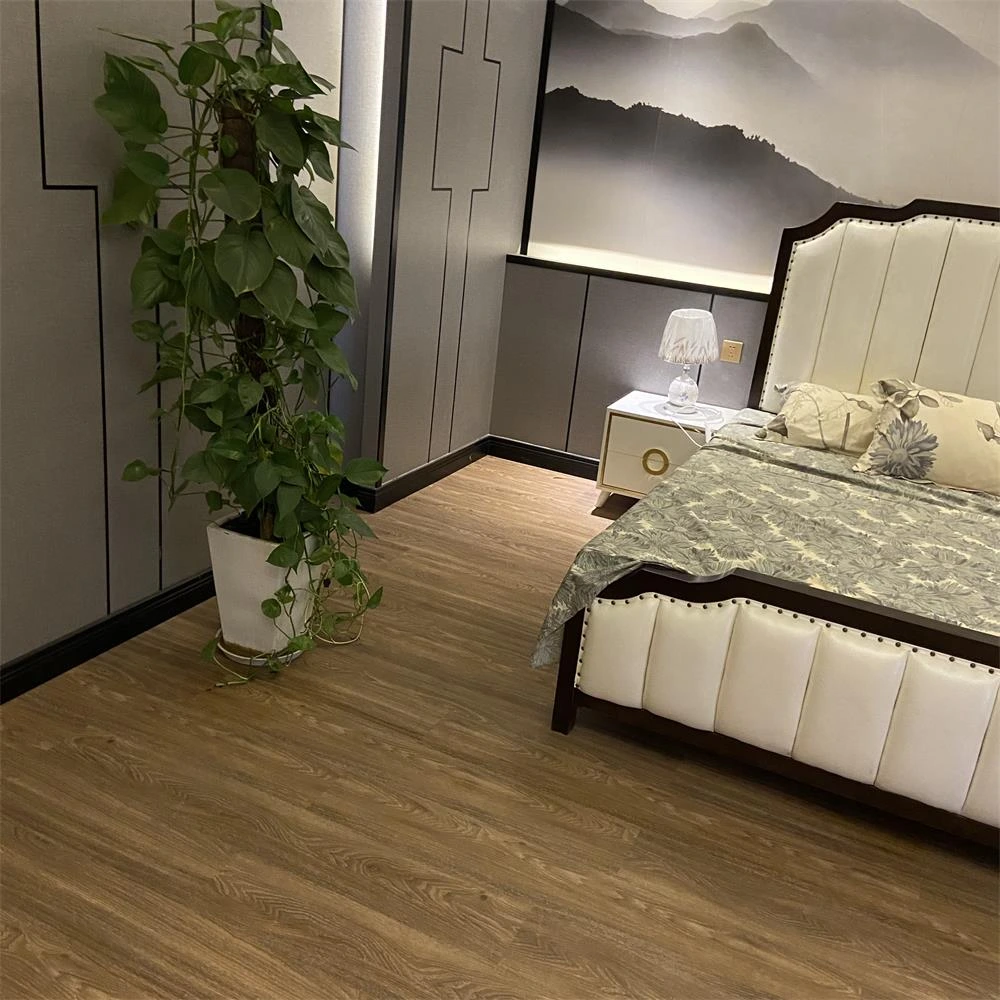
Because backing options may vary by product, buyers should confirm whether a separate underlayment is needed or allowed before ordering.
Extra Soft Underlayment Can Increase Movement
More cushioning is not always better. A thick or soft underlayment can allow too much deflection under a floating floor. That movement may increase stress on the locking system, especially in commercial areas with carts, chairs, or heavy traffic.
Underlayment should support the flooring system, not compensate for poor subfloor preparation.
Underlayment Should Not Replace Leveling
Underlayment can help with sound, comfort, or minor surface separation, but it should not be treated as a repair method for an uneven subfloor. Major dips, ridges, loose boards, cracks, or moisture concerns should be handled before flooring installation.
Common Installation Failures Caused by Poor Subfloor Preparation
Gaps Between Planks
WPC flooring gaps after installation can be caused by uneven subfloors, inadequate expansion space, locking system stress, temperature changes, or heavy fixed objects restricting movement. The first check should be whether the floor was installed over a flat, clean, and stable base.
Buckling or Peaking
Buckling may happen when a floating floor cannot move properly. This can be linked to missing expansion space, moisture below the floor, fixed cabinets or heavy fixtures placed incorrectly, or long runs without proper transitions.
Hollow Sound or Soft Spots
Hollow sound and soft spots often point to low areas under the floor, loose existing flooring, thick underlayment, or inadequate support. In a commercial project, these issues can lead to complaints even if the plank surface looks acceptable.
Contractor Checklist Before Ordering Click-Lock WPC Flooring
Site Condition Checklist
Before placing a bulk order, contractors and distributors should record the subfloor type, flatness condition, moisture situation, existing floor condition, room size, expected traffic level, and whether the area is climate controlled.
Product Specification Checklist
A WPC flooring RFQ should include board thickness, wear layer, click system, backing foam, plank size, surface texture, installation method, target quantity, packaging requirements, and application area.
Latitude Interiors supplies WPC, SPC solid core wall panels, flooring, and related interior decoration materials. Buyers can review About Latitude Interiors to understand the company profile before requesting product information.
How to Choose a WPC Flooring Supplier for Click-Lock Projects
A Supplier Should Ask About the Jobsite
A reliable WPC flooring supplier should not quote only by color and quantity. The supplier should ask about subfloor type, moisture risk, flatness, installation method, backing preference, traffic level, and commercial use conditions.
Specification Clarity Reduces Installation Disputes
Clear product specifications help contractors match flooring to the jobsite. For click-lock WPC flooring, sample approval, backing confirmation, installation method, packaging, and batch details should be discussed before bulk production or shipment.
Conclusion
Subfloor readiness should be confirmed before price comparison. Click-lock WPC flooring needs a flat, dry, solid, and clean base to reduce the risk of gaps, hollow spots, joint stress, and moisture-related complaints. Concrete may require moisture review, wood subfloors must be secure, existing tile must be stable, and underlayment should match the selected product.
For project inquiries, send the subfloor type, flatness condition, moisture situation, installation area, required thickness, backing preference, target quantity, and sample needs through Contact Latitude Interiors. Clear site information helps the supplier recommend a more suitable WPC flooring specification.
FAQs
Q1: How flat should the subfloor be for WPC flooring?
A1: The subfloor should be flat enough to support the click-lock system without plank deflection. The exact tolerance should be checked in the selected product installation guide before installation.
Q2: Does WPC flooring need a moisture barrier over concrete?
A2: A moisture barrier may be needed over concrete, especially in basements, ground-level slabs, or areas with moisture vapor risk. The requirement should be verified against the product specification.
Q3: Do you need underlayment for WPC flooring with attached backing?
A3: If WPC flooring already has attached IXPE or EVA backing, a separate underlayment may not be needed and may not be recommended. Confirm this with the supplier before installation.
Q4: Can WPC flooring be installed over existing tile?
A4: WPC flooring may be installed over tile if the tile is firm, flat, clean, and stable. Loose tiles, deep grout lines, uneven surfaces, or hollow areas should be corrected first.
Q5: Why does click-lock WPC flooring separate after installation?
A5: Separation can come from uneven subfloors, excessive movement, missing expansion space, moisture problems, unsuitable underlayment, or stress on the locking system.