
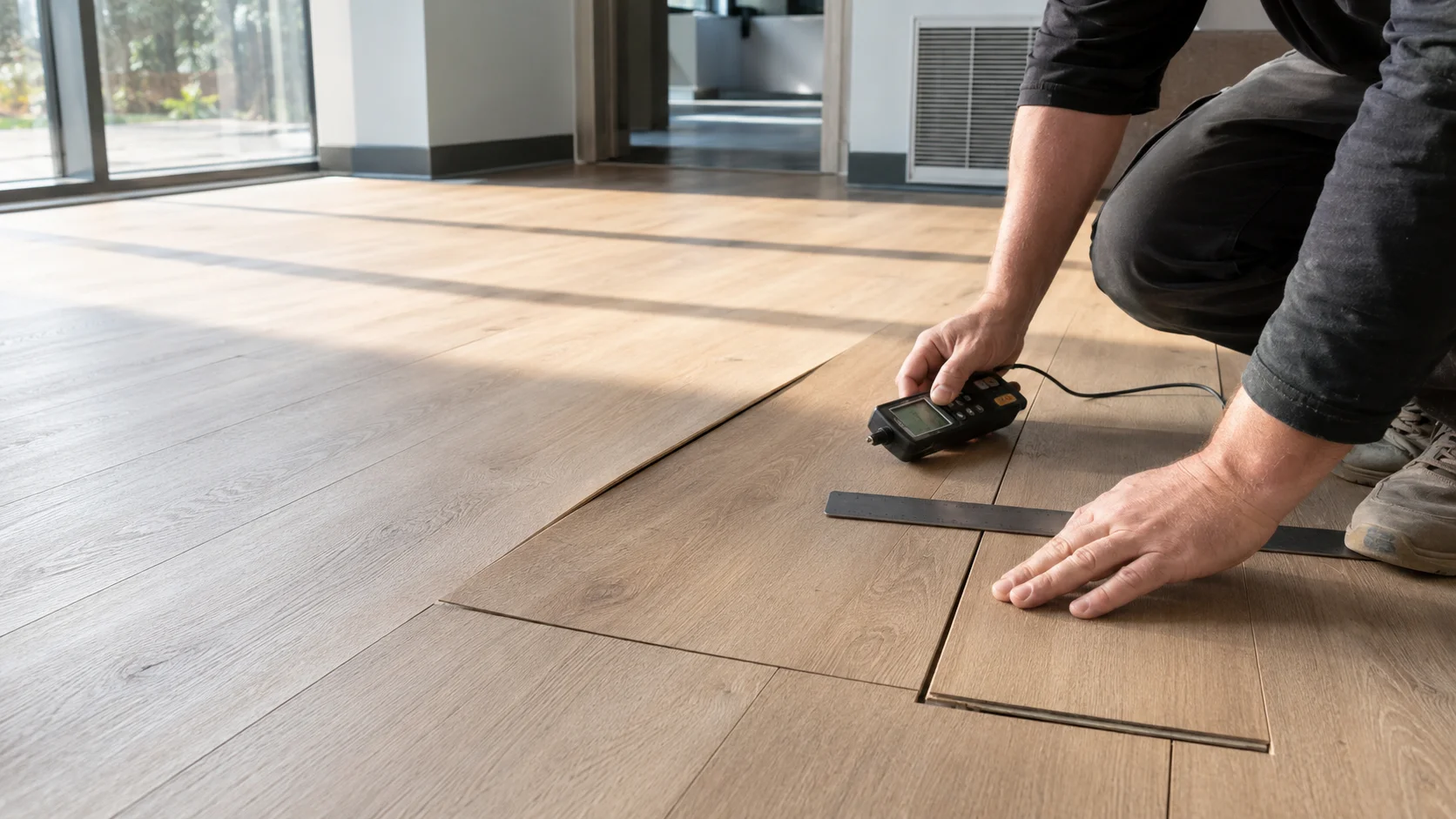
WPC flooring expansion can become a costly problem when temperature changes, restricted movement, uneven subfloors, or incorrect installation details create visible gaps, buckling, peaking, or click-lock joint failure. For commercial projects, the issue is rarely just cosmetic. A small installation mistake can spread across offices, hotels, apartments, retail stores, showrooms, or rental properties, leading to repair work, replacement orders, warranty disputes, and delayed project handover.
The practical question is not only whether WPC flooring expands and contracts. It does. The more useful question is how much movement the installed floor can safely tolerate, what site conditions increase the risk, and what buyers should confirm before selecting WPC flooring for a commercial project.
Why WPC Flooring Expansion Problems Happen
WPC flooring is commonly used as a resilient plank flooring option because it combines a wood-plastic composite core with vinyl-based surface layers. Like many floating flooring systems, it needs controlled installation conditions and enough room to move. When movement is blocked or when the site environment changes sharply, stress can show up as WPC flooring gaps, buckling, edge peaking, or separated joints.
Temperature Change, Sunlight and HVAC Shutdowns
Temperature problems often start before the flooring is even installed. Cartons may be stored in a warehouse, loaded into a hot truck, delivered to a jobsite without climate control, and then installed before the material reaches a stable room condition. After installation, the space may experience direct sunlight through large windows, HVAC shutdowns during construction, seasonal heating changes, or high indoor temperatures.
In commercial buildings, these risks are common. A retail storefront with full-height glass, an apartment corridor without stable air conditioning, or a hotel renovation where HVAC is not fully running can all expose WPC flooring to changing temperatures. The product’s actual tolerance should be verified against the product specification and installation guide, because acceptable temperature range may vary by construction, locking system, backing, thickness, and installation method.
Restricted Movement Around Walls, Fixtures and Doorways
Floating WPC flooring should not be trapped tightly against walls, door frames, columns, cabinets, stair bases, metal trims, or fixed equipment. If the floor expands but cannot move, pressure can build inside the installed surface. That pressure may release upward as buckling, peaking, or lifting, sometimes far from the actual restriction point.
This is why WPC flooring expansion gaps matter. The gap is not a defect in the finished installation; it is a movement allowance that is later covered by trim, skirting, transition profiles, or other finishing details. Buyers and contractors should confirm expansion gap requirements before installation rather than treating them as a field decision.
For project teams comparing WPC flooring for commercial projects, the installation method and movement allowance should be reviewed along with color, surface finish, thickness, and budget.
How to Diagnose Gaps, Buckling and Joint Failure in WPC Flooring
When WPC flooring problems appear after installation, the first step is to read the symptom pattern. Gaps, buckling, and click-lock joint failure can look related, but they may point to different causes.
Gaps Between Planks or End Joints
WPC flooring gaps after installation may appear along the long side of planks, at end joints, near walls, or across a repeated pattern in the room. End-joint separation can suggest shrinkage, incomplete locking during installation, movement from temperature cycling, or stress from subfloor movement. If gaps appear after a cooling period or after HVAC operation changes, temperature movement should be considered.
Inspection should start with practical checks: room temperature history, direct sunlight exposure, plank layout direction, perimeter movement space, transition locations, and whether the affected planks still have intact locking edges. A few minor gaps may be adjusted if the locking system is not damaged, but repeated separation across multiple zones usually requires deeper investigation.
Buckling, Peaking or Floor Lifting
WPC flooring buckling from heat or restricted movement usually appears as lifted areas, raised seams, or a tented section of flooring. The visible buckle may not be the root cause. A floor can be pinched at a doorway, trapped under heavy fixed fixtures, or held too tightly at the perimeter while the raised area appears in the center of the room.
For repair teams, the next step is to look for pressure points. Check whether baseboards, trims, cabinets, door casings, or transitions are locking the floor in place. Also inspect areas near large windows, heating systems, and long continuous runs. If pressure is released and the floor settles, the cause may be movement restriction rather than product failure.
Click-Lock Joint Failure and Edge Damage
WPC click lock flooring problems can result from more than temperature. Locking joints may fail when the subfloor is not flat enough, when the planks flex under rolling loads, when the installation angle is forced, or when the flooring is installed in a site condition outside its intended use.
Joint failure is more serious than a small seasonal gap because damaged locking profiles may not reconnect properly. For commercial flooring buyers, this is where product selection matters. Thickness, core structure, backing, click-lock design, plank size, traffic level, and installation conditions should all be reviewed before bulk ordering.
Installation Conditions That Increase WPC Flooring Failure Risk
Most WPC flooring temperature problems become more likely when several risk factors combine. A floor might tolerate normal seasonal movement, but fail when temperature changes are combined with missing expansion gaps, uneven subfloors, or large uninterrupted rooms.
Missing Expansion Gaps or Incorrect Transition Planning
A common mistake is treating expansion gaps as only a wall detail. Movement space may also be needed around pipes, door frames, fixed counters, columns, metal door tracks, built-in furniture, and transitions to other flooring materials. In larger commercial spaces, long corridors and wide open areas may require additional layout planning depending on the product guide.
Buyers should not assume that one installation rule applies to every WPC product. Expansion gap size, maximum continuous run, and transition requirements should be confirmed before installation. This is especially important for contractors, distributors, and procurement teams ordering WPC flooring in bulk for multiple rooms or buildings.
Subfloor Flatness, Moisture and Underlayment Mismatch
An uneven subfloor can make the plank edges move up and down under foot traffic or rolling loads. Over time, that movement can weaken click-lock joints and create gaps or edge damage. Moisture from concrete or unsuitable underlayment can also affect support, stability, or installation performance, depending on the floor system.
Before installation, the project team should check subfloor flatness, surface cleanliness, moisture condition, and compatibility with any underlayment or attached backing. If the floor is being installed over existing surfaces, the substrate should be stable, level, and suitable for the chosen WPC flooring system.
How to Prevent WPC Flooring Gaps, Buckling and Joint Failure
Prevention is mostly a matter of matching the product, site condition, and installation method before work begins. For commercial projects, this should be part of the procurement conversation, not only the installer’s responsibility.
Control Jobsite Temperature Before, During and After Installation
WPC flooring should be stored and installed under conditions that match the product’s installation instructions. Cartons should not be exposed to extreme heat, cold, or unstable site conditions before installation. The jobsite should be enclosed, clean, and as close as practical to normal operating conditions.
After installation, avoid sudden temperature changes where possible. In spaces with radiant heating, large windows, or seasonal HVAC shutdowns, the flooring specification and installation guide should be checked carefully. Temperature range, acclimation requirements, and post-installation conditions may vary by product.
Match WPC Flooring Specifications to the Commercial Environment
A flooring product used in a small residential bedroom may not face the same risks as one used in a hotel corridor, office renovation, retail store, showroom, or rental apartment project. Commercial buyers should consider traffic, room size, furniture loads, cleaning routines, rolling equipment, temperature variation, and exposure to direct sunlight.
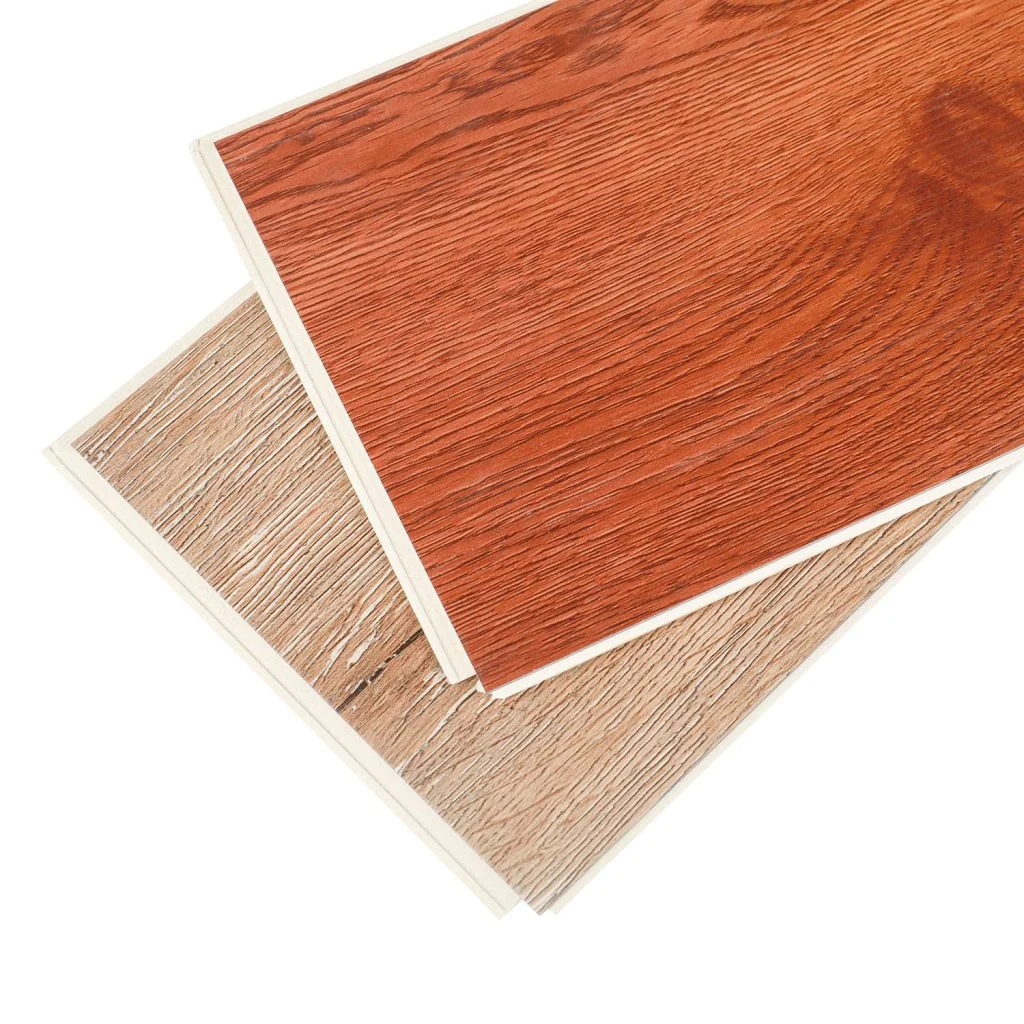
When reviewing commercial WPC flooring options, buyers should ask for product structure, available thicknesses, click-lock system details, backing information, surface finish options, installation guidance, and application suitability. Latitude Interiors lists WPC flooring options for home and office environments, with products that may include customized color, customized size, and multiple board thickness options, depending on the selected item and project requirement.
Buying WPC Flooring for Commercial Projects: What to Ask Suppliers
A suitable supplier should help the buyer reduce installation risk, not only quote a unit price. For WPC flooring used in commercial projects, the purchasing conversation should include the site environment and installation plan.
RFQ Checklist for WPC Flooring Buyers, Contractors and Distributors
Before requesting a quote, prepare the information that affects product suitability:
- Project type: office, hotel, apartment, retail, showroom, rental property, or other space
- Installation area and room dimensions
- Subfloor type and current condition
- Expected temperature range and whether HVAC will operate during installation
- Direct sunlight exposure or large window areas
- Floating or glue-down installation preference, if applicable
- Required thickness, surface finish, color, backing, and click-lock preference
- Expected foot traffic, rolling loads, cleaning routine, and maintenance conditions
- Target quantity, sample request, packaging requirement, and delivery schedule
This information helps the supplier recommend a more suitable WPC flooring option and reduces the chance of gaps, buckling, or joint failure caused by a mismatch between product and site conditions.
Supplier Selection: Product Data, Installation Guidance and Batch Consistency
A qualified WPC flooring supplier should provide clear product information, installation guidance, and project communication support. For distributors and contractors, batch consistency, sample confirmation, and packaging details may also affect project quality.
Latitude Interiors Limited specializes in WPC, SPC solid core wall panels, flooring, and overall home decoration products. Buyers can review Latitude Interiors for company context, use commercial WPC flooring options to compare category-level product choices, and check about Latitude Interiors when supplier background is part of the purchasing process.
When to Repair, Replace or Re-Specify WPC Flooring
Not every WPC flooring problem requires full replacement. The right action depends on the scale, pattern, and cause of the defect.
| Site Condition | Practical Direction |
| Small gaps with no visible joint damage | Check temperature history, perimeter movement space, and whether planks can be adjusted |
| Buckling near walls, doorways, or fixed fixtures | Inspect trapped edges, trims, cabinets, columns, and transition points |
| Repeated end-joint separation | Check locking profiles, subfloor flatness, installation method, and temperature cycling |
| Broken click-lock joints across many areas | Evaluate whether the product specification fits the commercial environment |
| Recurring problems after repair | Reconfirm site conditions and consider re-specifying the WPC flooring system |
If the problem involves a large commercial area, repeated joint damage, or unclear site conditions, project teams should document photos, room size, installation method, subfloor type, temperature conditions, and affected locations before requesting technical input.
Conclusion
WPC flooring expansion problems are usually preventable when product selection, jobsite conditions, expansion gaps, subfloor preparation, and installation details are handled together. Gaps may point to shrinkage or joint separation. Buckling often suggests restricted movement or heat-related expansion. Joint failure may involve temperature stress, subfloor movement, unsuitable installation conditions, or product mismatch.
For commercial projects, the safest purchasing step is to confirm specifications before ordering. Buyers can submit project size, room dimensions, subfloor condition, target thickness, installation method, temperature environment, sample needs, quantity, and photos of any existing flooring failure to request WPC flooring specifications from Latitude Interiors.
FAQs
Does WPC flooring expand and contract with temperature changes?
Yes. WPC flooring can expand and contract when temperature changes. The degree of movement depends on the product structure, room size, installation method, temperature range, and whether enough expansion space has been provided.
How much expansion gap does WPC flooring need?
The required WPC flooring expansion gap should be verified against the product installation guide. Many resilient floating floors require perimeter movement space, but the exact gap may vary by product, room size, and site condition.
Why is my WPC flooring buckling after installation?
WPC flooring buckling may be caused by missing expansion gaps, trapped edges, direct heat, sunlight exposure, HVAC changes, uneven subfloors, or fixed objects restricting movement. The raised area may not be the actual restriction point.
What causes WPC flooring joints to separate or fail?
WPC flooring joint failure can come from temperature movement, poor locking engagement, uneven subfloor support, excessive plank flexing, incorrect installation force, rolling loads, or using a product outside its intended application.
Is WPC flooring suitable for commercial spaces with temperature changes?
WPC flooring may be suitable for commercial spaces, but the application should be checked against the product specification. Buyers should confirm temperature conditions, installation method, expansion gaps, room size, and traffic requirements before ordering.