Scandinavian homes have this quiet charm that isn’t forced. It’s not about having everything perfect—half the time it’s just pale wood, daylight sneaking in through big windows, and a few textures that make the place feel lived-in. Anyone who’s ever tried to decorate a small apartment in winter knows the trick: keep things simple, warm, and not too busy. Hygge, sure, but more like “let’s just make the room comfortable enough so we don’t think about the cold outside.”
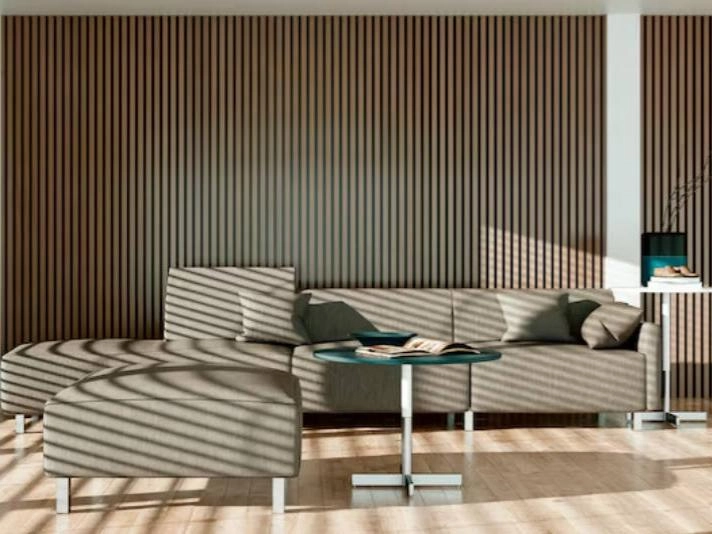
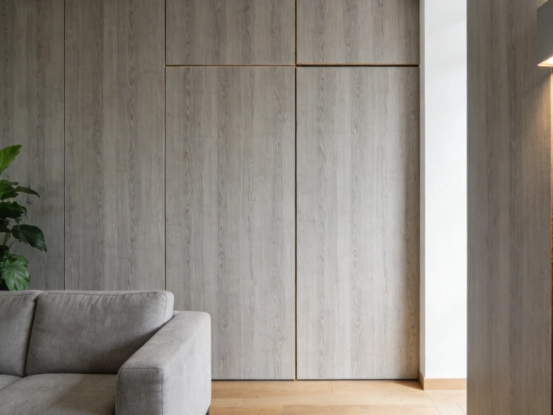
WPC wall panels from Latitude Interiors fit into this mood almost by accident. They look a lot like real timber—light oak, whitewashed, the usual Scandinavian favorites—but they don’t act like natural wood when the weather swings. No swelling, no fussing with oils. And those vertical slat designs that everyone seems to love right now? WPC makes them look cleaner because the lines stay straight, not slightly warped like some pine boards tend to do after a few seasons.
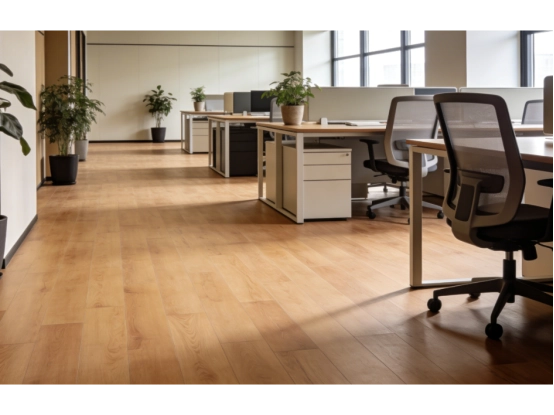
The acoustic versions are surprisingly handy too. Nordic-style homes often have open plans, and sound bounces around way more than you’d expect. These panels take the edge off without making the space feel “treated.”
Features and Benefits That Fit Scandinavian Design
- Light-reflective finishes that help brighten small, low-sunlight rooms
- Calm, natural wood-grain tones people associate with hygge
- Seamless wall surfaces that don’t distract the eye
- Built-in acoustic absorption for quieter evenings
- Fully waterproof—useful if your climate swings between wet and dry
- Low-VOC, recyclable, eco-minded materials
- No yearly oiling or sanding
- Fade-resistant colors that don’t turn weirdly yellow or dull
These features line up with how Scandinavian spaces function: quiet, practical, and not high-maintenance.
Why WPC Makes Sense Compared to Scandinavian Woods
Traditional woods—pine, birch, ash—are beautiful, no argument there. But they’re also sensitive. If you’ve ever lived in a place with heating running all winter, you know how boards behave: they shift, crack a little, and sometimes the color shifts in ways you don’t expect. One craftsman once joked that pine boards “breathe more than people do in winter.”
WPC avoids most of this. The material is easier to shape during production, so the finished slats stay straight. Latitude Interiors mixes in sandalwood powder, which gives the surface a smoother finish—more consistent than sanding natural wood. There’s even this faint woody smell when panels are trimmed at the factory, which is oddly satisfying.
They also use inorganic yellow pigment with good heat resistance. That’s just a technical way of saying the pale wood tones stay pale, even after months of sunlight coming through big Nordic windows.
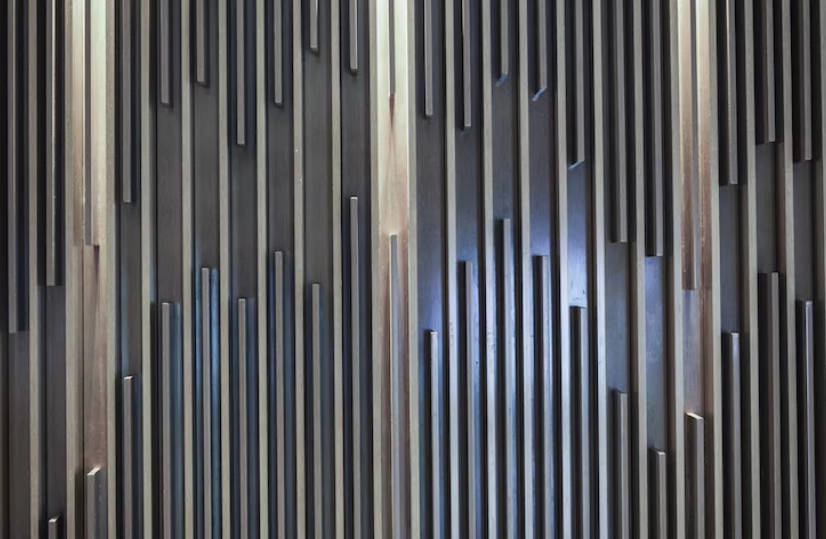
Where WPC Wall Panels Work Best in Scandinavian Interiors
Living room: A vertical slat wall in pale oak behind the sofa adds depth without feeling decorative.
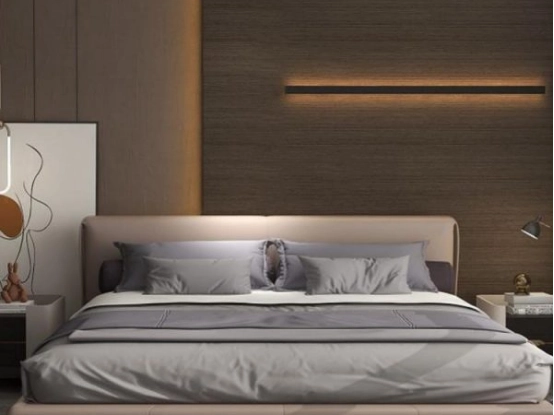
Bedroom: Acoustic panels soften the overall feeling—especially in rooms with hard floors.
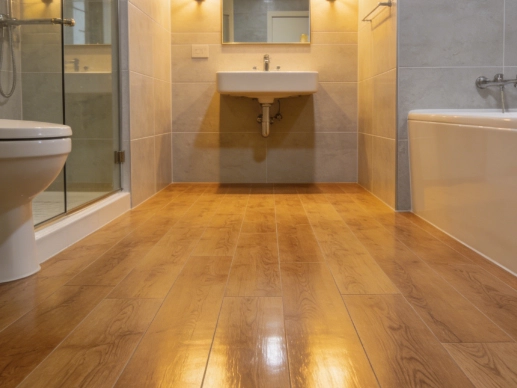
Kitchen: Waterproof WPC around prep areas means splashes don’t become a weekend project.
Entryway: Slats make narrow halls feel taller and show off light better.
Home office: Good for reducing that slight echo that happens during calls.
And since Scandinavian color palettes lean toward whites, greys, and soft wood tones, WPC fits right in.
Installation Tips
- You don’t need a perfect wall, just reasonably flat.
- A laser line saves time—seriously, worth borrowing one if you don’t own it.
- Hidden clips or adhesive keep the look clean.
- The first panel sets the whole tone; measure twice here.
- Leave a tiny expansion gap; it’s standard practice.
- Corners look best with miter cuts or matching trims.
- Warm LED strips behind slats make winter evenings feel nicer.
Scandinavian design is simple, but it’s the small details—like straight lines—that make it look intentional.
Maintenance and Durability in Nordic Conditions
These panels handle seasonal changes better than wood:
- No oiling
- No mold issues
- No weird expansion during winter heating
- A wipe-down is usually enough
If you live somewhere with long winters and a bit of dampness in spring, WPC tends to stay stable.
Scandinavian Design Inspirations Using WPC Wall Panels
- Whitewashed + black hardware: A modern monochrome look that still feels warm.
- Light walnut bedroom slats: Works great with soft lamps and wool blankets.
- Japandi corner: Pale oak slats with simple stone décor.
- Open-plan divider: Full-height slats to define living areas without walls.
- Reading nook: Soft grain panels make small corners feel calm.
They all share the same design idea: simple, natural, not overly decorated.
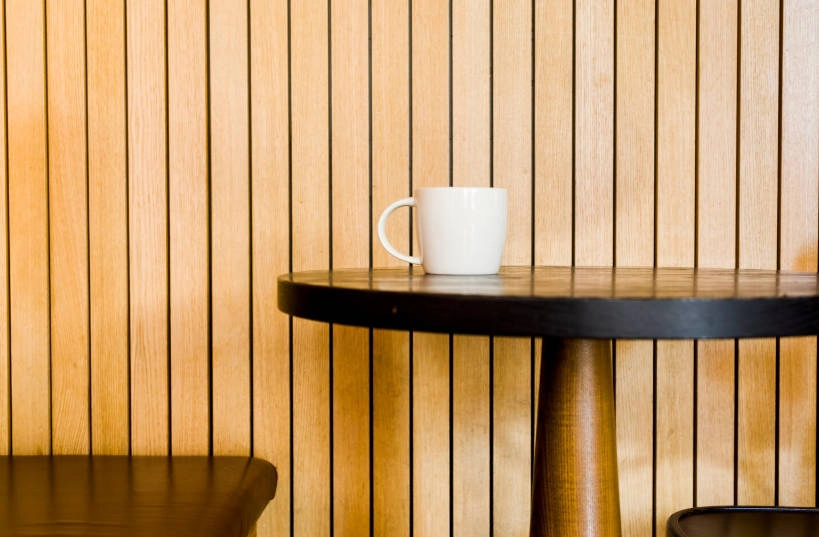
Latitude Interiors’s WPC panels OEM/ODM services bring the look of Scandinavian wood without the maintenance headaches. They hold up through seasonal shifts and help create spaces that feel bright, calm, and lived-in—exactly what Scandinavian homes aim for. If the goal is a clean, warm interior that stays that way for years, WPC is one of the easier routes.
FAQ
Q: Do WPC panels really look like Scandinavian pine or birch?
A: Surprisingly yes. Most people can’t tell from a normal viewing distance.
Q: Can WPC be used in bathrooms or sauna-style areas?
A: Yes. The panels are waterproof and handle humidity well.
Q: Are acoustic WPC panels useful in open layouts?
A: They noticeably reduce echo, especially in tall or bright spaces.
Q: Are WPC panels environmentally friendly?
A: They’re low-VOC, made with recycled content, and recyclable at the end of their lifespan.