What Makes WPC Flooring a Preferred Choice for Modern Spaces?
Exploring the Versatility of WPC Flooring
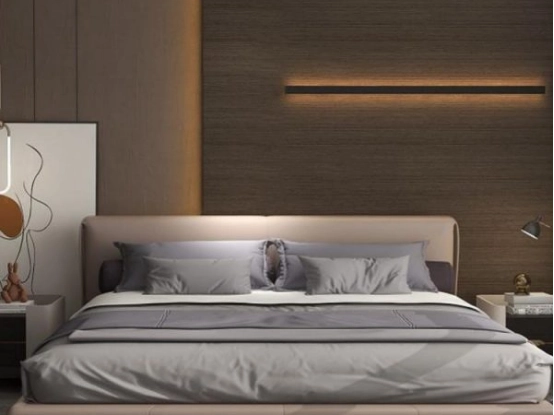
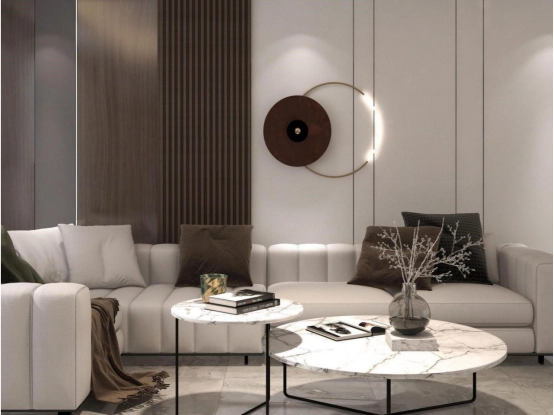
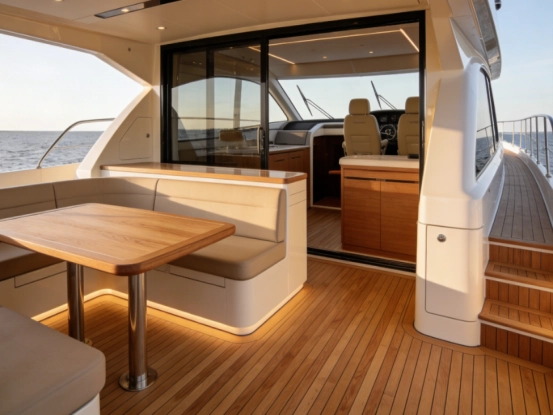
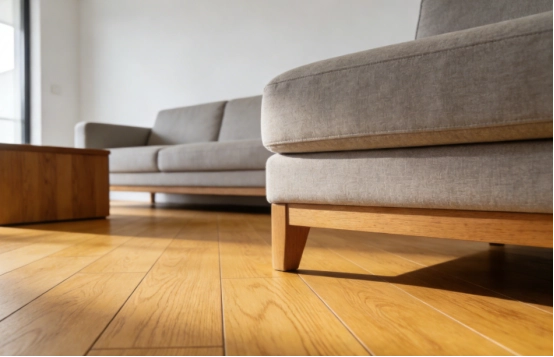
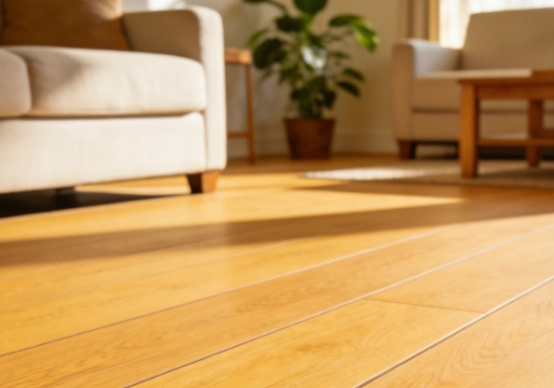
WPC flooring has turned into one of the most flexible surface options in current interior design. It fits smoothly into both simple and classic areas. Its skill to copy the natural feel and warmth of wood, while giving better results, makes it great for home and business insides. WPC flooring grew very popular as a choice instead of usual sheet vinyl flooring. This was because of its thicker pressed composite base. That base lets it float over most underfloors. It also covers small subfloor flaws. Plus, it does best against daily home spills and wetness. This flexibility means designers can get visual flow across different spots. And they do so without losing usefulness.
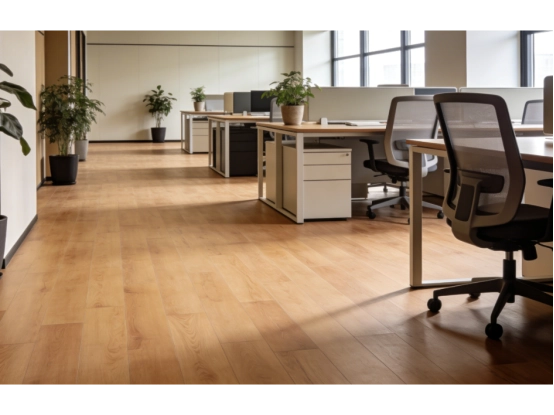
The item’s variety of looks—from rough oak designs to smooth stone feels—fits many style likes. WPC flooring comes in a broad selection of styles and finishes. It easily copies the sight of real wood. This gives both charm and real-world use. Such flexibility goes past personal homes. It works in offices, stores, and guest areas. There, strength pairs with design choices.
The Composition and Structure of WPC Flooring
The solid build of WPC flooring comes from its planned makeup. What is WPC (Wood Plastic Composite) Content Feature 30% HDPE + 60% wood fiber + 10% additives. These parts mix the touch sense of true wood with the toughness of high-density polyethylene. Added top-quality extras improve steadiness, color keeping, and fight against damage.
Each board usually has several levels planned for action. WPC flooring has UV coating, Wear layer, Decoration layer, Hot melt adhesive, WPC core layer, Under layer. The wear layer works as a guard shield against scratches and spots. At the same time, it keeps clear sights over time. This many-level setup promises long life even with hard use. WPC flooring from Latitude Interiors ensures these layers perform reliably.
Key Advantages of WPC Flooring in Residential and Commercial Settings
Durability and Longevity of WPC Flooring
Toughness stays as one of the main powers of this stuff. The perks of WPC materials include water-proof and damp-proof traits. These traits fix the problem of old wood items facing rot, swelling, and bending in moist spots. Its strong side makes it fit for high-walk zones like hallways or office paths. There, usual hardwood could wear out fast.
Plus, WPC blends the top traits of wood and high density PE. This gives you shapes with the natural look of the best wood kinds. It adds high toughness and low care needs, even in the toughest weather. These features make it not just lasting but also cost-smart over time. This comes from fewer care needs.
Comfort and Aesthetics Offered by WPC Flooring
Ease under foot is another plus that sets this stuff apart from options like tile or laminate. WPC flooring has an expanded polymer base that feels light. It gives foot comfort with good sound traits. This makes it especially drawing for living areas or guest spots wanting a cozy yet strong surface.
From a looks view, it builds with a layer of luxury vinyl for deeper, more real finish pressing. So your flooring seems like true hardwood or slate. The outcome is a sight-real floor without troubles like cracking or twisting tied to natural wood.
Design Trends Influencing WPC Flooring Choices
Popular Styles and Patterns in WPC Flooring
Current design shifts stress personal touch through feel and color changes. Soft tones like ash gray stay classic picks for plain interiors. While strong colors such as walnut or espresso bring thrill to business setups. Patterned setups—like herringbone or chevron—get more favor for their build draw. Making skill reached through new pressing tech lets these patterns look smooth over big areas.
Customization Options for Unique Interior Designs
Tailoring holds a key role in current design blending. Digital print tech lets makers create custom designs fit to brand looks or home styles. Also, smart home links let heat control systems or light auto sync with floor sensors in top models. This boosts both work and ease in modern living spots. Our OEM/ODM services support tailored WPC flooring solutions.
Comparing WPC Flooring with Alternative Flooring Solutions
Differences Between WPC, Laminate, and Vinyl Flooring
While laminate floors use pressed fiberboard bases open to swelling from moisture, WPC’s mixed build removes this weak spot. Vinyl floors have close top looks but miss the firmness from wood fibers in WPC bases. The setup process is easy, with a click-lock method that skips glue or nails. This makes setup simpler than laminate that needs adhesives.
Cost-wise, laminate stays a bit less at first. However, when counting long life and care savings, WPC often shows as more money-smart in the long run. This is due to its strength against water harm and damage.
Evaluating the Environmental Impact of Various Floorings
Green thoughts are changing material picks across fields. The product is earth-friendly, free from pollution and harm. It can be recycled. The product skips benzene, with a formaldehyde level of 0.01. This meets low EO grade rules and follows European green rules. Compared to usual hardwood pull methods that empty forests, reused mixed stuff used in WPC cuts green marks much. At the same time, it backs round economy ideas. WPC flooring from Latitude Interiors prioritizes these sustainable aspects.
Practical Tips for Maintaining WPC Flooring in Different Environments
Routine Cleaning Practices for Longevity
Daily care keeps surface strength over time. Normal sweeping clears rough bits that might mark guard layers. Gentle cleaners mixed in water work enough. Skip strong chemicals. They could fade shines. Soft fiber mops clean well without rub risk.
Furniture guards should go under heavy things like desks or sofas. This stops dent marks on softer spots—especially key in business office plans where moves happen often.
Addressing Common Issues with WPC Floors
Small surface flaws can get fixed using color-fit repair sets made just for vinyl mixes. Damp touch seldom causes issues because of build fight. But quick dry after spills keeps best long life even in wet conditions like baths or kitchens.
For big setups with heavy walks—such as store spots—it’s smart to use door mats. They cut dirt entry. This lengthens life more by cutting wear at doors.
Innovations Shaping the Future of WPC Flooring Industry
Emerging Technologies Enhancing WPC Performance
Making steps keep sharpening product action measures including size steadiness and sound soak rates. Auto press lines make sure even density spread across boards. This betters machine strength sameness through groups. Fake brain adds more through guess models. They fine-tune feel match during digital print steps. This makes sure real pattern flow between boards.
100% made with A+ grade virgin materials, the product shows top weather fight and age fight that beats field rules. Such new steps show steady push to higher toughness marks. These match changing market hopes for green luxury fixes.
Market Trends Driving Growth in the WPC Sector
World need keeps growing. This comes from city growth shifts stressing earth-aware build stuff able to balance action with green duty. As green build certs gain hold worldwide—LEED among them—builders more often pick reusable mixes like WPC in plan frames. This pushes green match without losing sight class or work strength. WPC flooring meets demands in key national and international markets.
FAQ
Q: What are the key advantages of WPC materials in flooring?
A: WPC materials offer several strong benefits. They use wood powder around 80-12 mesh, with a higher amount of sandalwood powder. Other common products often use more rice husk powder. Sandalwood powder feels smoother, makes the final product look nicer, and gives a woody scent when burned. Light calcium is more eco-friendly and makes the product tougher. We use calcium-zinc stabilizers for better environmental safety and heat steadiness.
Q: What is the composition of WPC flooring and relevant PVC certifications?
A: WPC flooring includes PVC resin powder, stone powder, stabilizers, internal and external lubricants, ACR, CPE, carbon black, and more. The main parts are polyvinyl chloride and stone powder. For PVC certifications, current ones cover FloorScore, DIBT, CE, ISO14001:2004, ISO9001:2008, and German Rhein TUV. These confirm high quality and safety. At Latitude Interiors, we offer OEM/ODM services for customized WPC flooring that meets these standards across international markets.
Q: What are the most important performance indicators for PVC in WPC flooring?
A: Critical indicators for PVC in WPC flooring focus on reliability. Stability shows in contraction/expansion rate at 80°C for 6 hours: 0.25% or 0.15% (industry standard). Heat curling stays under 2mm at 80°C for 6 hours per EN. Enterprise standards limit curling to 1.2mm (dryback), 1.0mm (click), and 0.5mm (looselay). Lock tensile strength at normal temperature (23°C) hits >13-15kgs/5cm for 5.0mm, >12kgs/5cm for 4.2mm. For short edges with V-locks, 4.2mm reaches >15-18kgs/5cm. Peeling strength measures bond between print film and core. This checks for new recycled material, plus scratch and wear resistance. Brightness is 10 +/- 2.6. These ensure durable, customized WPC flooring for residential and commercial use in key national and emerging markets.