Performance Characteristics of WPC Wall Panels
Aesthetic Versatility for Design Flexibility
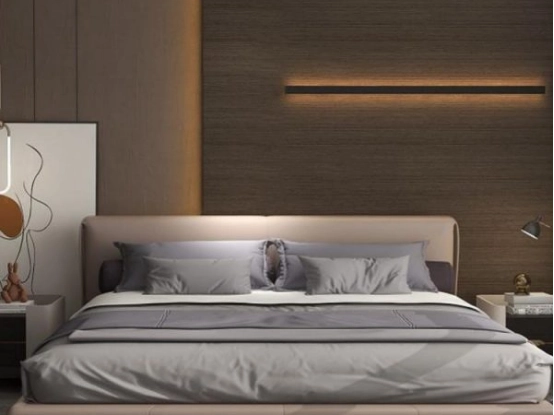
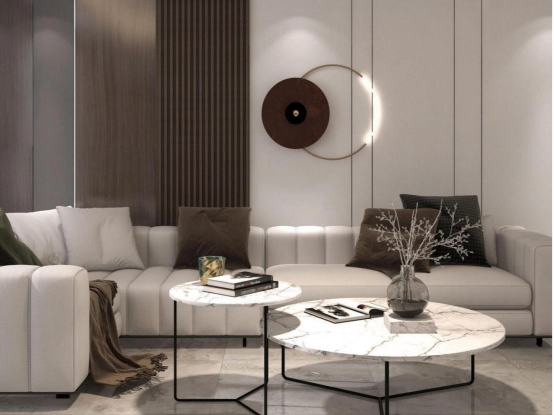
WPC wall panels offer architects plenty of room to create. They include a broad selection of surface options, patterns, and shades. Choices cover many different colors. These panels mimic the look and feel of real wood patterns. Plus, you can adjust the colors to fit personal tastes. Companies like Zhejiang Oushe make panels that copy true wood styles. They add fresh surface types, such as smooth flat ones, shiny metal finishes, and soft cloth-like textures. We provide close to one hundred extra pieces to go with our wall panels. Adding metal touches gives a classy look. Also, fitting in LED lights boosts the light in the whole area.
Low Maintenance Requirements
WPC wall panels beat out regular wood panels. They skip the need for regular sealing or fresh coats of paint. They avoid splits, swelling, or twisting. So, this cuts down on care needs. Wiping them is easy. That lowers costs after setup. The tough outer surfaces just need a quick clean with water or gentle home cleaners.
Applications of WPC Wall Panels in Architecture
Interior Architectural Applications
The application of WPC wall panels in building interiors is growing fast. They serve both style and practical roles.
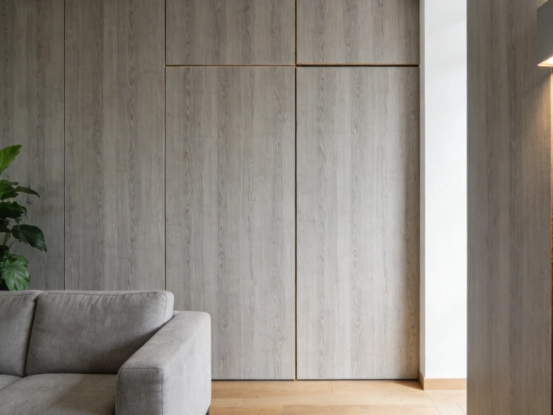
- Living Rooms: The wood-like pattern adds a cozy feel and elegance.
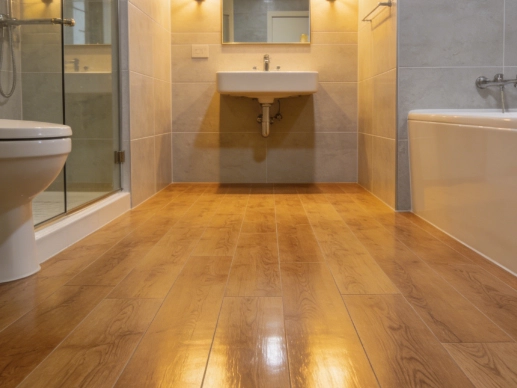
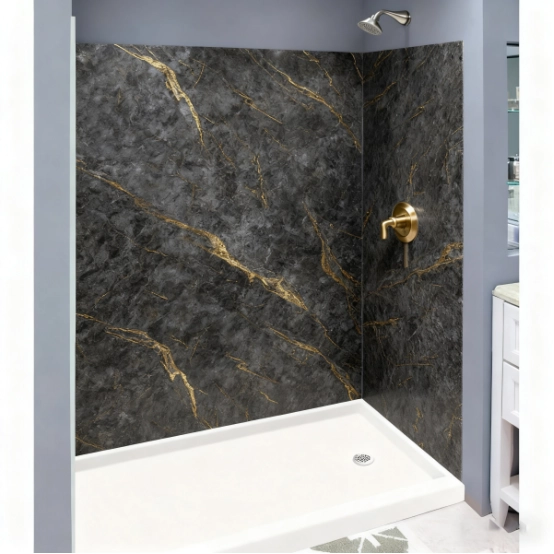
- Bathrooms: Their resistance to dampness suits wet areas well.
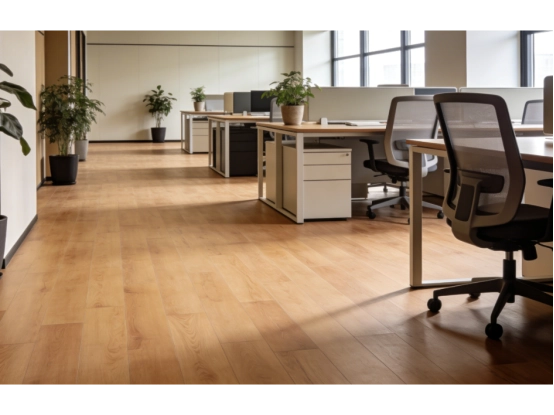
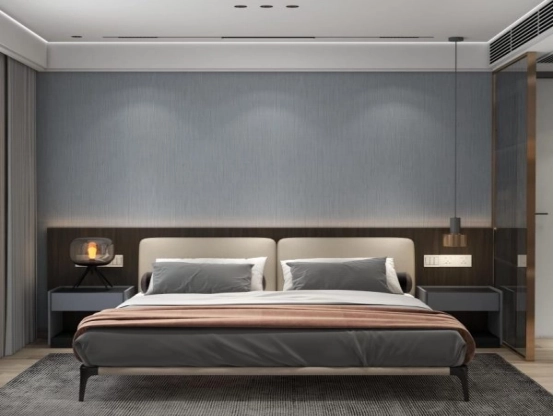
- Office Walls: They bring good looks and better sound control too.
- Hospitality Spaces: The sturdy build handles busy spots with lots of people.
Great Sound Absorption and Energy Savings: These panels provide effective sound proof performance. They also help save energy. Those features aid hotel and office settings.
Key Considerations When Specifying WPC Wall Panels
Installation Techniques and Compatibility with Substrates
Today’s WPC wall panels fit easy setup methods. Many use slot-and-tab links with hidden screws for smooth fits. Putting them in is simple. The building process is direct. It saves time and money. Panels can fix to plaster boards, cement walls, or metal frames based on project needs.
Cost Factors Relative to Other Cladding Materials
Starting prices for WPC might go a bit over simple wood. But its low upkeep makes it cheaper in the long run. No painting needed, no glues, and little fixing. This plays a big role in figuring total costs. From Latitude Interiors, these flexible WPC wall panels shine in places like North America and Europe. There, top quality and custom options meet strict standards.
Maintenance Planning Over Time
Care means just occasional wipes without new finishes or paints. This helps a lot in business or busy spots. In such places, cutting work stops matters.
Technical Resources for Architects Specifying WPC Panels
Accessing Product Specifications and Samples
Top makers share easy CAD files, guides, and sample kits for exact picks. Zhejiang Oushe has its own research lab. They own many national patents. Their products cover varied thicknesses and sizes for different jobs. From Latitude Interiors, custom choices let architects tailor WPC wall panels to unique project aims. This increases appeal in global markets.
Certifications and Compliance Information
When choosing WPC wall panels, check for compliance with safety and eco standards like ISO9001, ISO14001, CE, REACH. Oushe follows rules such as ISO9001, ISO14001, ISO 45001, CE, REACH closely.
Trends Influencing the Adoption of WPC Wall Panels
Growing Demand for Sustainable Building Materials
Laws and buyers now prefer green choices more. Its ability to recycle cuts wood use a lot. Thus, it fits eco plans and helps wider community gains.
Preference Toward Low-Maintenance Finishes
Builders want items that reduce future care bills. They also seek lasting style. WPC meets this with surfaces that hold up with basic care.
Customization Possibilities in Modern Projects
Tailored Textures and Finishes from Manufacturers
You can change colors and patterns to match. Some makers use deep pressing or light rubbing ways. These copy natural wood or give a fresh look. To stress custom work, WPC wall panels from key brands allow precise changes for North American and European projects. This ensures rule following and style fit.
Modular Panel Systems Supporting Creative Layouts
Modular setups help creative patterns like upright lines or wavy designs. They use steady widths from 105mm to 195mm. With various strips, edge pieces, and corner parts, we meet all design wants fully.
Knowing the main traits and inside uses of WPC wall panels helps architects choose options that fit real needs. These picks also match evolving styles in homes, businesses, and public buildings.
Key Advantages of WPC Material Composition
Superior Wood Powder Selection and Blends
The strength of WPC wall panels starts with their material makeup. We use wood powder in the 80-12-mesh range. Sandalwood powder makes up a larger share in our mix. Other common products often rely more on rice husk powder. Sandalwood powder feels smoother and finer. This leads to a nicer finished look. When burned, it gives off a natural wood scent. For added toughness, we include light calcium. This choice boosts eco-friendliness. It also makes the final product more flexible and strong. These elements work together to create panels that look and perform better than standard options. Architects benefit from this in projects where detail and durability count.
Advanced Stabilizers and Color Agents
Stability comes from using calcium-zinc stabilizers. These are more green than other types. They improve heat resistance too. For coloring, we pick yellow inorganic pigment. This agent holds up well against weather and high heat. It resists fading over time. The result is a natural wood-yellow tone that stays true. Lubricants like polyethylene wax and PE wax help during production. They make shaping easier. Later, panels resist warping. The surface ends up smoother. No glue issues arise. To control foaming, we add sodium bicarbonate as the agent. It keeps bubbles steady and small. This stops cracks from spreading. Overall, it raises impact resistance and stretchiness. Such features make WPC panels reliable for long-term indoor use.
Practical Benefits in Production and Use
These material choices lead to practical gains. Panels form shapes without hassle. They keep their form after installation. The clean finish cuts down on extra work. No peeling or weak spots appear. In real settings, this means less worry about changes from heat or moisture. Architects can trust these panels in varied spots like living areas or offices. The eco aspects align with modern green building goals. Plus, the natural scent and color add subtle appeal. When compared to basic mixes, our approach delivers panels that not only look good but last longer. This thoughtful composition sets WPC apart in the market.
FAQ
Q: What is a WPC Wall Panel and how does it differ from traditional wood panels?
A: WPC (Wood Plastic Composite) wall panels are made from a blend of wood powder and plastic, offering better durability, resistance to moisture, and low maintenance compared to traditional wood panels. They mimic wood’s natural look but do not require sealing, painting, or constant upkeep.
Q: How do WPC Wall Panels help save on maintenance costs?
A: WPC wall panels require minimal maintenance. Unlike wood, they don’t need regular sealing or painting, nor are they prone to splitting, swelling, or twisting. A simple wipe with water or mild cleaner is sufficient, saving both time and money on long-term maintenance.
Q: What are the benefits of using WPC Wall Panels in interior design?
A: WPC wall panels are versatile, available in a variety of colors, textures, and patterns. They are ideal for spaces like living rooms, bathrooms, offices, and hospitality venues. Their sound absorption and energy-saving properties make them a practical and stylish choice for modern interior design.