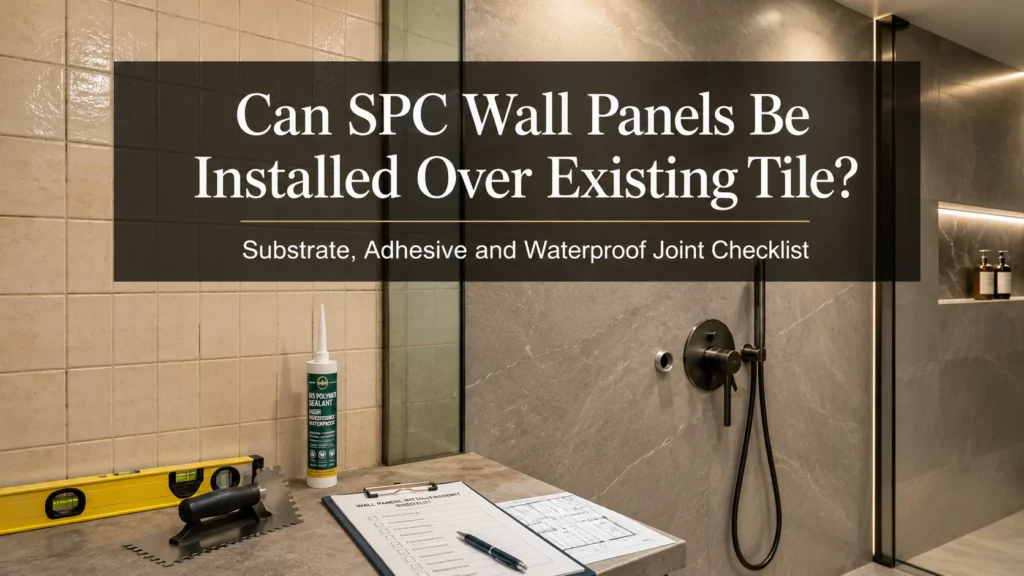
Introduction
In 2026, bathroom design goes beyond mere appearance. It focuses on strong performance, eco-friendliness, and lasting strength. Homeowners, builders, and designers seek out materials that cope well with steady dampness. They want options that cut down on upkeep too. SPC (Stone Plastic Composite) wall panels fit this need perfectly. These have turned into the top pick for up-to-date shower walls and damp areas. Their toughness, full water resistance, and smooth look draw people in.
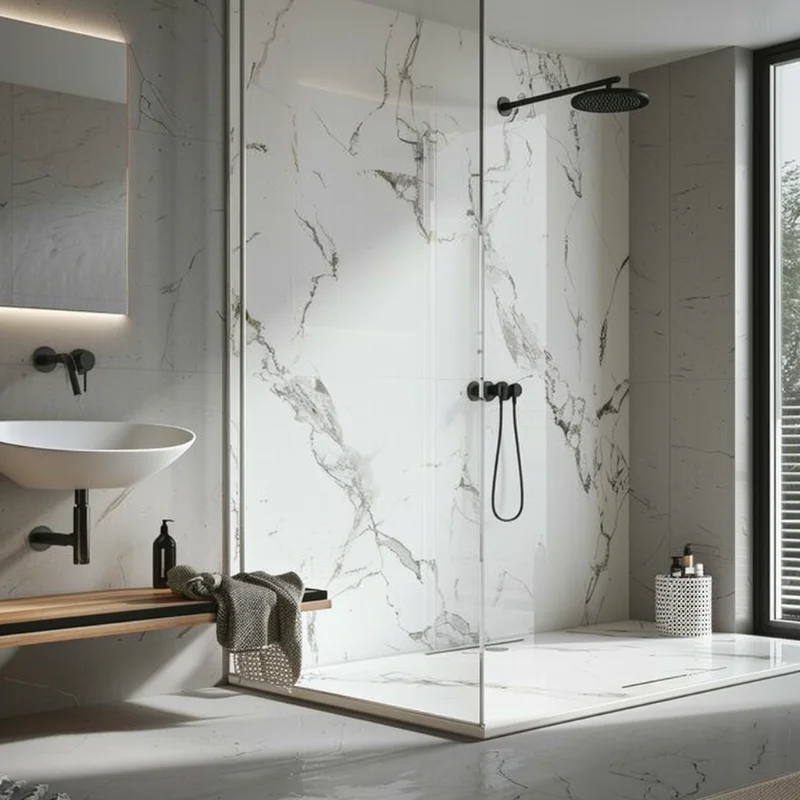
What Are SPC Wall Panels and Why They Matter in 2026
SPC wall panels act as crafted surfaces. They blend stone powder, PVC resin, and stabilizers. This mix creates a thick, firm core. It fights off water uptake and bending, even in heavy dampness or heat shifts.
Ceramic tiles need grout lines that can crack. Acrylic sheets might twist as years pass. SPC panels, however, hold their shape steadily. Manufacturers produce SPC flooring without glue. They use a hot-pressing method. This meets global rules like EN14372, EN649-2011, and IEC62321. The same approach works for SPC wall panels. It guarantees even quality in big projects.
The push for smooth bathroom surfaces has sped up SPC use. Buyers like the neat edges and few seams. These cut down on mold chances. They also give a fresh style. Hotels and developers prize the quick setup over old tiling ways. This shortens job timelines a lot.
Core Benefits of SPC Wall Panels for Modern Bathrooms
100% Waterproof Performance
The stone-polymer makeup makes SPC wall panels fully waterproof. They stop water from getting in completely. This suits shower surrounds or wet rooms with nonstop damp exposure.
Healthier Indoor Air Quality
Latitude Interiors’ SPC Bathroom Panels come with zero formaldehyde release and few VOCs. Tests show Latitude SPC flooring hits the ENF level under GB/T 39600-2021 for emission classes from man-made boards and products. Such results mean better air inside for people. This ranks high in worldwide green building checks.
Durability & Impact Resistance
The solid core offers great strength against everyday knocks or sudden hits from items like shelves or tools. These panels show solid stability, green traits, and long wear. They work well in homes, hotels, hospitals, and business spots. That same build holds up on upright spots, such as shower walls or dividers.
Easy Cleaning & Antibacterial Surface
The UV top layer fights stains and germ growth. A simple wipe with gentle soap does the trick. No need for tough cleaners. This keeps things easy in busy spots like gym showers or hotel restrooms. There, clean rules stay strict.
Practical Advantages in Real Bathroom Application Scenarios
Shower Walls & Wet Zones
SPC wall panels form a smooth water shield for shower backs. No grout gaps mean less trapped damp or grime. Workers can place big sheets right over old bases. This skips tear-out costs. It also locks in water blocking for years.
Small Bathrooms & Powder Rooms
These panels stay slim but sturdy. They free up room in tight bathrooms. Their light weight eases moves in remodel jobs. Think narrow doors or stairs that limit access.
Luxury Hotel Bathrooms & Commercial Projects
Designers in business often pick Latitude Interiors SPC options. They ensure match across many rooms in hotels or rentals. Steady colors from batch to batch keep looks uniform. This fits brand needs in global hospitality setups.
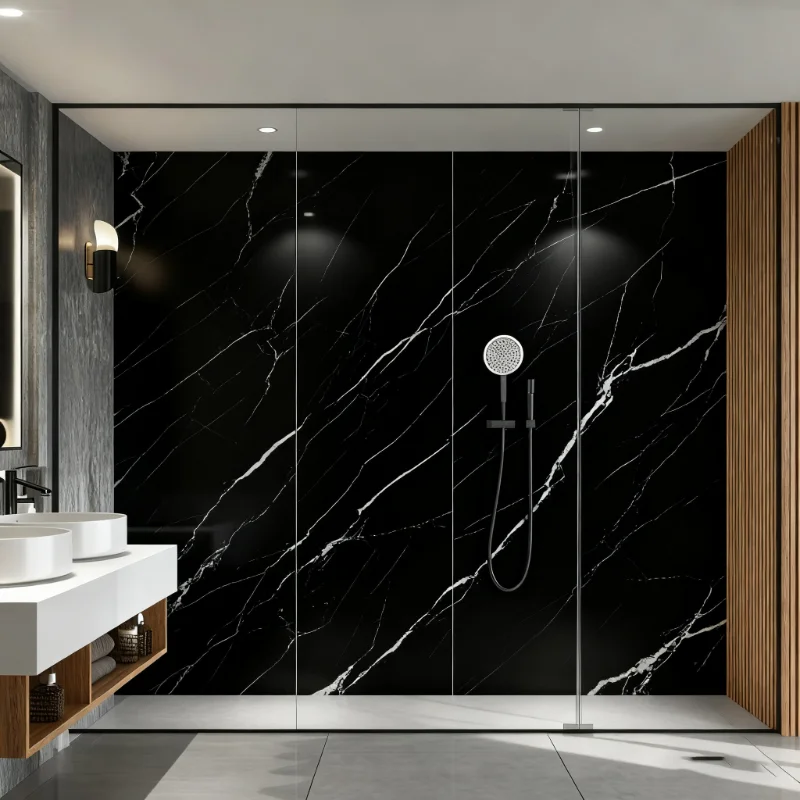
Installation Time & Cost Efficiency
Old ceramic tiles call for mortar beds, dry times, and grout work. These steps demand heavy labor. They stretch projects over days or weeks. SPC wall panels change that.
| Material Type | Average Installation Time | Maintenance Requirement | Labor Intensity |
| Ceramic Tiles | 3–5 days per bathroom | Moderate (grout cleaning) | High |
| Acrylic Sheets | 1–2 days per bathroom | Low (can yellow over time) | Medium |
| SPC Wall Panels | Less than 1 day | Minimal | Low |
For example, in a mid-sized hotel renovation, installation teams completed SPC panel fitting across 20 rooms within two days, reducing installation time by approximately 50% compared to traditional tile work. This efficiency helps lower overall project costs and is well suited to large-scale developments or time-sensitive renovations.
Design and Performance Features of SPC Wall Panels
SPC Bathroom Panels offer varied looks. Options run from dull stone feels to shiny marble prints. They match plain modern rooms or old-style spa vibes. Add-ons like metal strips or LED lights can boost the style. They highlight panel sides softly.
Looks aside, real-world traits count big. Fire ratings hit Bfl-s1 under European rules. This adds safety near warm spots, say towel heaters or lamps. The thick core cuts heat flow through walls. It helps keep room temps steady. Over months, this trims energy use a bit. Layers also soak up echoes in tiled baths. Showers or tubs sound less sharp. Plus, these pair fine with floor heat setups. SPC handles temp swings without twists or splits—unlike wood panels that might fail.
Installation, Maintenance, and Long-Term Value
Setting up Latitude Interiors’ SPC solid core wall panels needs just simple tools. Apply glue to ready bases. Then join edges with cut grooves, much like floor clicks. Advanced gear mills slots at ±0.2mm accuracy. This makes tight fits that block water. Seams stay neat and sharp.
Maintenance remains effortless throughout the product’s lifespan—no need for resealing grout joints or repainting surfaces affected by steam condensation.SPC materials exhibit resistance to stain EN423 tests showing “Resistant Pass.” That means even makeup splashes or soap residue wipe away easily.
From a cost perspective, lifecycle savings add up quickly: fewer repairs over decades mean lower total ownership costs compared with traditional finishes requiring periodic regrouting or replacement due to cracking tiles.
Green factors matter more these days in picks. Stone powder and resin form the base. No formaldehyde or heavy metals inside. Latitude Interiors runs a recyclable line under ISO14001. This matches green build aims through 2026. In one project, a developer swapped tiles for SPC and cut waste by 40%—a real win for eco goals.
Conclusion
SPC wall panels extend beyond surface finishing, enhancing both aesthetics and structural performance in bathroom environments. Their water-resistant properties effectively address moisture-related issues, while diverse design options support creative flexibility. Fast installation further improves project efficiency and reduces overall costs.
Latitude Interiors maintains high manufacturing standards aligned with stringent environmental and safety requirements, delivering durable and visually consistent solutions for modern spaces. For further details or project inquiries, contact Latitude Interiors directly.
FAQs
Q1: What are the main differences between SPC wall panels and traditional ceramic tiles for bathroom applications?
A: Ceramic tiles depend on grout seams that invite mold. SPC Wall Panels give smooth cover with built-in locks. Setup runs quicker. They hold full water shield too.
Q2: How do SPC wall panels perform in high-humidity shower environments compared to other materials?
A: The stone-plastic core mixes PVC resin and calcium carbonate powder. It stays firm in steady steam. Acrylic sheets often bend after long runs.
Q3: Are SPC wall panels suitable for both residential bathrooms and commercial hotel projects?
A: Yes. Latitude Interiors SPC Bathroom Panels clear global EN rules. They fit homes or busy hotel areas that demand steady results.
Q4: What key specifications should be considered when selecting SPC panels for modern bathroom renovations?
A: Check thickness, often 4–8 mm. Look at top layer wear group T rating. Fire class Bfl-s1 matters. ENF grade for emissions counts. Match with old bases in updates too.
Q5: How do SPC wall panels contribute to faster installation and lower long-term maintenance costs?
A: Their interlocking edge design eliminates grouting delays; prefinished UV coatings resist stains; minimal upkeep reduces recurring expenses over decades compared with tile resealing cycles—delivering measurable ROI especially across large-scale developments using Latitude Interiors SPC solutions.