Understanding WPC Panel Fire Resistance: Material Basics
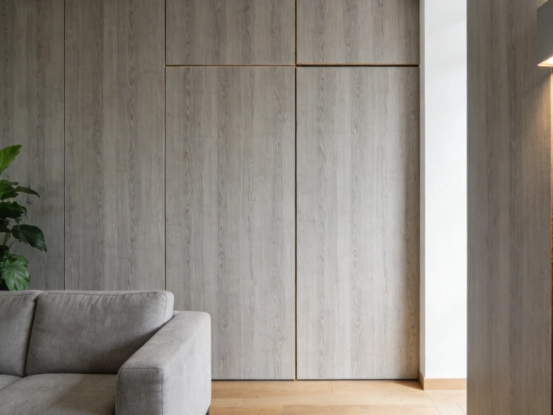
Wood Plastic Composite (WPC) panels are man-made materials. They mix natural wood fibers with plastic resins and special additives. The outcome is a strong, attractive item often used for indoor wall coverings, ceilings, and dividers. One of the top questions from builders and designers is: Are WPC panels fire resistant? Besides being green, reusable, and low in harmful fumes, today’s WPC panels also show solid fire safety. When made right, these panels can stop burning once the heat source is gone. They give off little smoke and bad gases. This fits the fire needs of today’s indoor spaces.
WPC Panel Fire Resistance Under ASTM E84: Surface Burning Characteristics
ASTM E84 Test Overview
ASTM E84 is the main North American check for how building materials burn on the surface. It looks at:
- Flame Spread Index (FSI)
- Smoke Developed Index (SDI) From these scores, materials fall into three categories:
| Class | Flame Spread Index (FSI) | Typical Use |
| Class A | 0 – 25 | High-risk public buildings |
| Class B | 26 – 75 | Everyday indoor spots |
| Class C | 76 – 200 | Areas without fire rules |
Typical Fire Ratings for WPC Panels
Most good WPC wall panels services get a B1 grade under China’s GB 8624 rule. This is about the same as Class B in ASTM E84. This means average flame spread and low smoke output. It makes WPC a safe pick for indoor decor jobs.
Factors Affecting ASTM E84 Results
A few things shape how WPC panels do in tests:
- Material mix: The balance of wood fiber and plastic impacts how easy it burns. Fine-ground wood dust (80–120 mesh) helps steady burning.
- Additives: Non-toxic flame blockers like aluminum hydroxide or magnesium hydroxide boost results.
- Surface finish: An added outer coat makes a thick shield. It slows starting fires and cuts heat output.
WPC Panel Fire Rating in EN 13501-1: European Classification System
EN 13501-1 Classes Explained
EN 13501-1 sorts building materials by how they react to fire. It goes from A1 (won’t burn) to F (catches fire easy). It also notes smoke (s1–s3) and dropping flames (d0–d2):
- B-s1,d0: Small role in fire, little smoke, no dropping flames.
- C-s2,d1: Small role in fire, some smoke or drops.
WPC Panel Typical Grades and Equivalence Chart
Based on the recipe, indoor WPC wall panels often hit B-s1,d0 under EN 13501-1. This puts them in the safe group for home and office indoors.
| Region | Standard | Typical Classification | Equivalent Meaning |
| USA / Canada | ASTM E84 | Class B | Average flame spread |
| EU | EN 13501-1 | B-s1,d0 | Low smoke output |
| China | GB 8624 | B1 | Self-stopping burn |
What Influences WPC Panel Fire Resistance Most
Material Composition and Additives
The makeup of a WPC panel shapes its fire response. Dense wood dust, green Ca-Zn stabilizers, and non-toxic flame blockers give steady scores on both ASTM and EN tests.
Density, Thickness, and Co-extrusion Layer
Thicker, heavier panels fight off fire longer. An outer wrap on all sides adds a guard. It boosts heat hold and cuts surface rust from heat.
Installation and Environmental Conditions
Bad setup can leave gaps that speed up fire spread. Good seals, strong frames, and air flow keep it working well. This matters in wet spots like baths or kitchens.
Comparing WPC Panel Fire Resistance with Other Materials
| Material | Typical Fire Rating | Smoke Emission | Key Strength | Limitation |
| WPC Panel | B1 / Class B / B-s1,d0 | Low | Safe, pretty, reusable | Not totally fireproof |
| PVC Panel | Class B | Medium | Cheap | Gives off bad fumes |
| Wood / MDF | Class C–D | High | Real wood look | Burns fast |
| Aluminum Panel | A1–A2 | Very Low | Won’t burn | Costs more |
Next to old wood, WPC panels start slower, make less smoke, and hold shape better in heat. This suits them for indoor walls and ceilings that need extra fire guard.
Testing and Certification: How to Verify Fire-Resistant WPC Panels
To check if it’s real and up to code:
- Ask for real ASTM E84 or EN 13501-1 reports from labs like SGS, TÜV, or Intertek.
- Check maker follows ISO 9001 (Quality) and ISO 14001 (Green).
- For EU jobs, look for CE and REACH stamps.
- Save all papers for checks and safety logs. For example, Latitude makes WPC wall panels that hit ISO 9001, ISO 14001, ISO 45001, CE, and REACH rules. This covers both work and green goals.
Applications Where Fire-Resistant WPC Panels Excel
Fire-safe WPC panels suit indoor building and decor work, like:
- Wall covers in offices, hotels, and shops
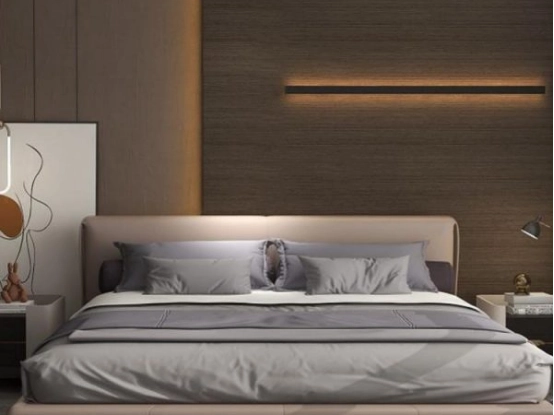
- Ceilings and dividers in homes or business spots
- Hallways, front desks, and conference rooms
- Open areas like hospitals, schools, and malls Their mix of fire guard, strength, and fresh looks makes them a solid pick for now’s designers and builders.
Key Takeaways on WPC Panel Fire Resistance
- WPC panels are fire-safe decor items for indoor use.
- Right-made ones can get B1 / B-s1,d0 scores, checked by ASTM and EN tests.
- Fire guard relies on mix, blockers, and good setup.
- Approved sellers and real test papers are key for safe indoor plans.
Fire-Resistant WPC Solutions from Latitude
Latitude builds top fire-safe indoor WPC panels for lasting guard and work. With fine wood fiber (80–120 mesh), light calcium carbonate fill, SG-8 resin for heat hold, and green Ca-Zn stabilizers, Latitude panels get B-s1,d0 grade checked by SGS. All items follow ASTM E84, EN 13501-1, ISO 9001, and CE rules. They fit building insides where guard and style match. Reach out to Latitude for checked, fire-safe WPC options made for your indoor job.
FAQ
Q: Are all WPC panels fire resistant?
A: No. Fire work changes by recipe and build way. Only panels checked under ASTM E84 or EN 13501-1 count as fire-safe.
Q: Can WPC panels achieve Class A fire rating?
A: A few top indoor mixes may near Class A (ASTM) or B-s1,d0 (EN). But most store items hit Class B. WPC is fire-safe, not fireproof.
Q: What is the difference between fire-resistant and fire-retardant WPC panels?
A: Fire-retardant WPC slows start and spread. Fire-safe WPC also keeps shape longer in heat. Neither burns not at all.