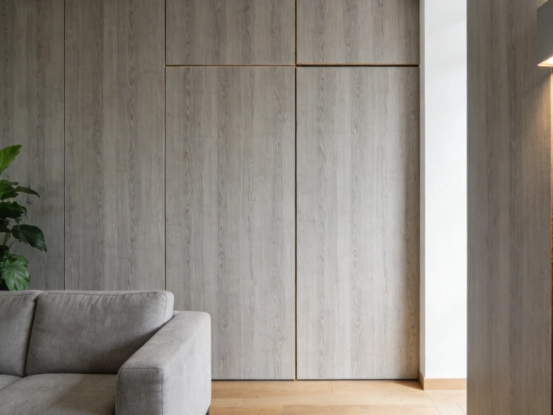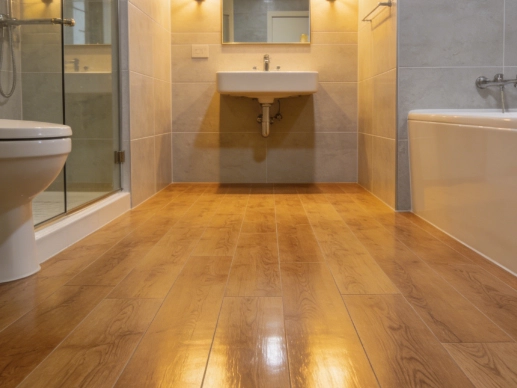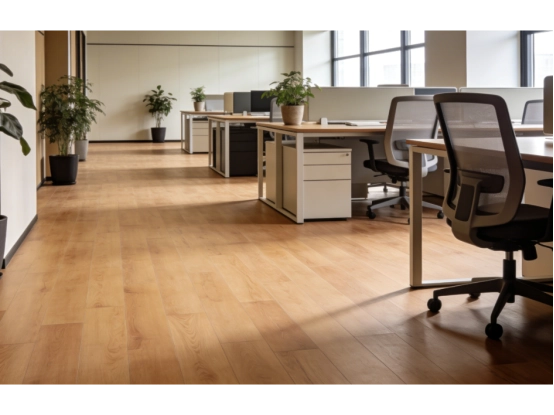
Upgrading an interior wall isn’t the sort of thing that always needs a whole renovation crew marching through the house. These days, a lot of people—homeowners, small shops, even cafes doing a quick facelift—use WPC wall panels. Brands such as Latitude Interiors supply a wide range of WPC wall panels used in these kinds of projects. Mainly because they look like wood but skip all the annoying stuff real wood brings: sanding, sealing, swelling, the whole list.
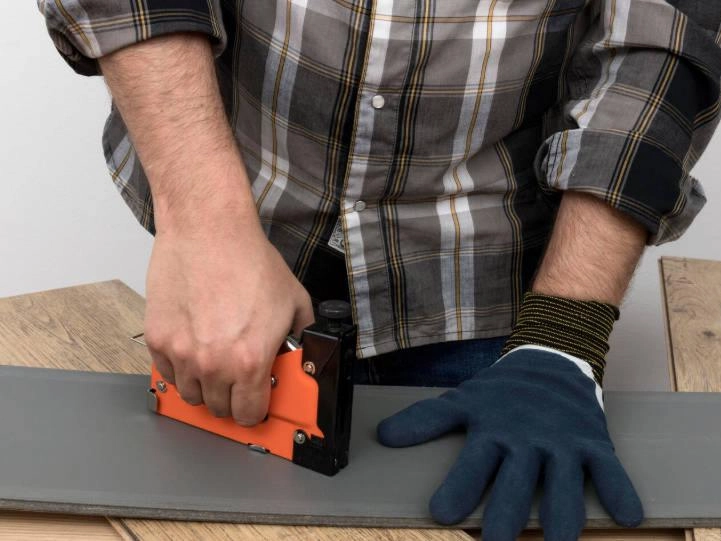
And the installation, well, it’s work, but it’s not the kind of job that eats your entire month. With basic tools, a reasonably flat wall, and a weekend where no one bothers you, one wall is usually doable. Sometimes even faster if the cuts aren’t complicated.
This guide follows what tends to happen in real installations—slightly messy, sometimes imperfect, but practical. You can also request OEM/ODM services if custom colors, textures, or panel sizes are needed for your project.
Tools and Materials You’ll Need
Essential Tools
- Electric drill
- Spirit level
- Measuring tape
- Handsaw or circular saw (fine-toothed works best)
- Pencil or chalk line
- Rubber mallet
Materials
- WPC wall panels
- Edge Connection (used as bottom starting reference)
- Heart Shape Outside Corner / Outside Corner
- Visible-L Connection / Invisible-L Connection / Visible Inner-I Connection
- Stainless-steel screws
- Construction adhesive (MS or PU glue—the thicker, paste-y stuff installers like)
Optional Tools
- Miter saw (saves arguments with corners)
- Laser level
- Hole saw for outlets


Preparation Before Installation
1. Measure and Calculate Panel Quantity
Walls rarely stay perfectly straight, especially older ones. They bow, dip, bulge a little. So measuring at the top-middle-bottom helps. Add around 10% extra panels—mostly for cuts, partly for mistakes. Almost everyone who “measures perfectly” ends up short by one board.
2. Prepare the Surface
The wall needs to be clean, dry, not flaking. If tapping the wall sounds hollow, that spot needs repairing or the adhesive won’t grip. Some walls are so uneven they practically demand furring strips, but honestly, many indoor projects glue straight onto the surface.
3. Acclimatize the Panels
Let the panels sit in the room for about 48 hours. This isn’t marketing fluff; if humidity changes a lot, the panels behave better after getting used to the room. Skipping this step can cause those odd little gaps that magically appear a week later.
4. Plan Your Layout
Choose a starting point: corner or center bottom. Either works. Just avoid ending with a tiny sliver panel—it looks strange and is annoying to cut. Planning saves headaches later.
Standard Indoor Installation Method: Adhesive + Stainless-Steel Screws
Most manufacturers suggest a simple approach: construction adhesive on the back and stainless-steel screws through the the connection structure. Glue handles the bonding; screws calm any tiny shifts the glue alone can’t control.
Installers have a habit of saying things like “the glue keeps it there, the screws keep it quiet”—and it’s not wrong. A fun bonus: years later, if someone feels the wall “needs a fresh look,” the panels usually come off without ripping the wall apart. Definitely kinder than removing old tiles.
Step-by-Step Installation Process
1. Install the Edge Connection
Install the edge connection along the bottom as the starting reference. Make it level—properly level. Every single panel above follows this edge connection. Guessing by eye is how you end up with a wall that looks like it’s slowly climbing uphill.
2. Apply Adhesive to the First Panel
Run adhesive in vertical beads or an S-shape. Too little glue and the panel won’t stay; too much and it squeezes everywhere. Press the panel onto the wall long enough for the glue to catch.
3. Secure the Panel with Screws
Drive screws through the panel connection structure at a slight angle. The heads stay hidden, which looks cleaner. Avoid overtightening—WPC edges can crack if pushed too hard.
4. Continue Installing Panels
Now you get into a rhythm: glue → interlock → tap → screw. Light taps help the joints close tight. Old buildings can have 2–3 mm shifts across a wall; instead of fighting the structure, most installers just align the visible seams and keep going.
5. Cutting for Sockets, Switches, and Windows
A jigsaw handles most openings. A hole saw is great for outlets. Cut slightly smaller first, test-fit, then open it up. Cutting too big is a pain to fix.
6. Install Heart Shape Outside Corner and Outside Corner Profiles
Install the Heart Shape Outside Corner or standard Outside Corner profiles before sliding the panels into place. A small amount of adhesive keeps them steady. If a corner isn’t cooperating (common in older buildings), a couple of screws usually settle it.
7. Install Visible and Invisible Connection Profiles
At panel edges and transition areas, use the appropriate connection type:
- Invisible-L Connection for clean, hidden joints
- Visible-L Connection where visible definition is required
- Visible Inner-I Connection for internal alignment and structure control
- Double-T Connection where dual-panel alignment is needed
- I-Shaped LED Joints or 8mm WPC Wall Multi-layer LED Connection when integrating LED lighting
Once these connections are in place, the wall starts to look finished—even if the ladder, drill, and offcuts are still lying around.
8. Seal Moisture-Prone Indoor Areas
In kitchens or bathrooms, run a bead of silicone around the connection edges. It’s a tiny step that prevents bigger issues later.
Common Mistakes to Avoid
- Using barely any adhesive
- Forgetting the screws
- Starter edge connection installed just a little off-level
- Cutting panels too big, then struggling to fix it
- Ignoring humidity changes
- Trusting eyesight instead of using the level
A simple installer trick: every three or four panels, step back and look at the whole wall. Fixing early is easier than redoing half a row.
Maintenance After Installation
WPC panels are pretty low maintenance.
Cleaning
A damp cloth with a bit of mild detergent usually does the job. Abrasive pads can scratch the finish—some scratches only appear at certain angles, like when afternoon sunlight hits the wall.
Occasional Checks
Take a glance at the connection edges and silicone now and then, especially in damp rooms. Silicone ages differently depending on heat and cleaning habits.
Most WPC panels services last a long time indoors—10, 15, even 20 years or more. Some commercial sites keep them far longer, and unless the room has weird temperature swings, they age slowly.
FAQ
Q: Can WPC wall panels be installed directly over ceramic tiles?
A: Yes. As long as the tiles are firmly attached and not hollow when tapped. Adhesive plus screws works the same way.
Q: Do all WPC wall panel installations require both adhesive and screws?
A: For indoor walls, using both helps avoid small shifts over time. Most installers do it automatically.
Q: Can WPC wall panels be used in bathrooms?
A: Yes. Just make sure the connection edges and corner connections are sealed so moisture doesn’t sneak behind.
Q: How long do WPC wall panels last indoors?
A: Many installations stay in good shape for 20–30 years. Some commercial interiors keep them even longer with only minor color softening.