Understanding WPC Panels
WPC, or Wood-Plastic Composite, is a hybrid material. It consists of about 60% wood fiber, 30% HDPE (high-density polyethylene), and 10% additives. This mix blends the natural look of fine timber with the strong qualities of high-density polyethylene. It gives a real wood-like feel plus great strength and steadiness.
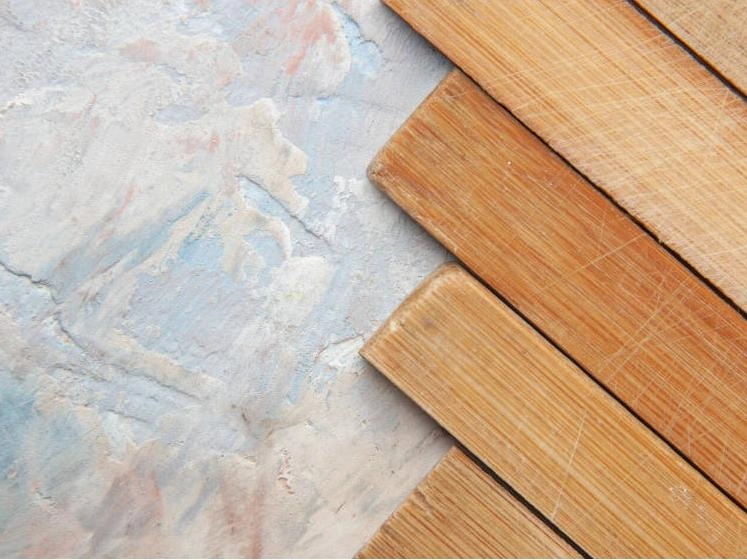
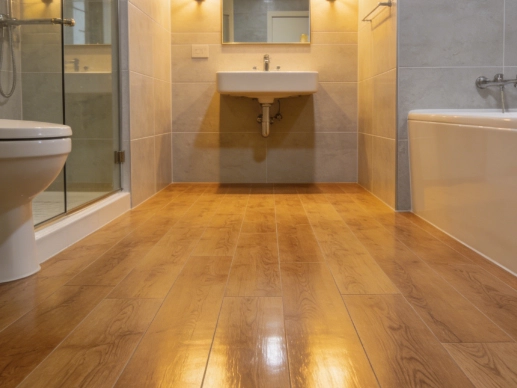
WPC panels shine due to their high density. They also have excellent color retention, simple setup, and minimal upkeep needs. The surface feels smooth and nice to walk on. It has no splinters, cleans easily, and lasts for many years. These features make WPC panels a top pick for various indoor uses. That includes flooring, wall cladding, and ceiling setups.
Thickness matters a lot when picking WPC panels. It impacts strength, noise blocking, comfort, and total cost. Thicker panels usually give more support and better sound control. However, they cost more. To pick the best thickness, you need to weigh your needs against your budget.
Choosing Thickness Based on Usage
The planned use and amount of foot traffic in the area greatly influence the right WPC panel thickness. We strongly recommend and mainly promote 5mm and 8mm thicknesses, as they perfectly cover the vast majority of real-world applications.
Residential & Light-Use Areas: 5mm–8mm For typical home spaces such as living rooms, bedrooms, kids’ rooms, covered balconies, etc., both 5mm and 8mm are excellent choices.
- 5mm – Ultra-light, elegant, and very easy to handle/install. Ideal for budget-conscious projects or situations where weight is a concern.
- 8mm – Offers noticeably better underfoot comfort, superior sound absorption, and greater overall stability — the most popular and best value-for-money option for most homeowners.
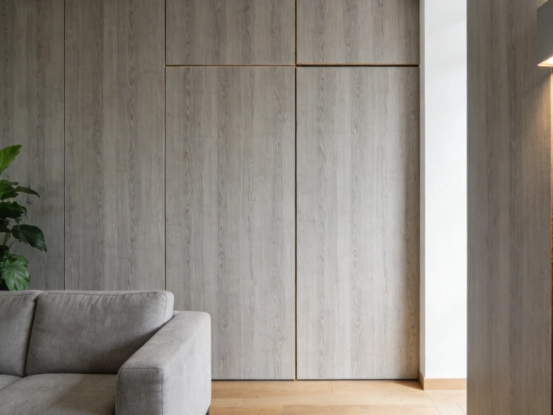
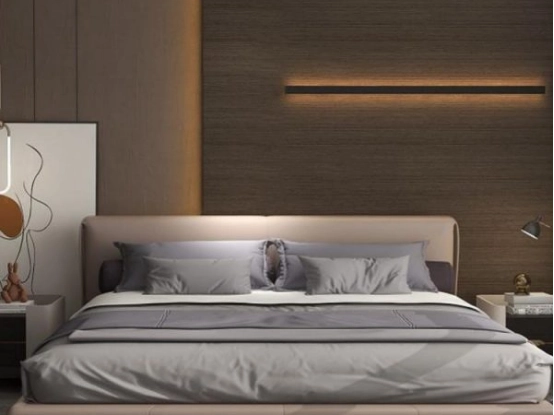
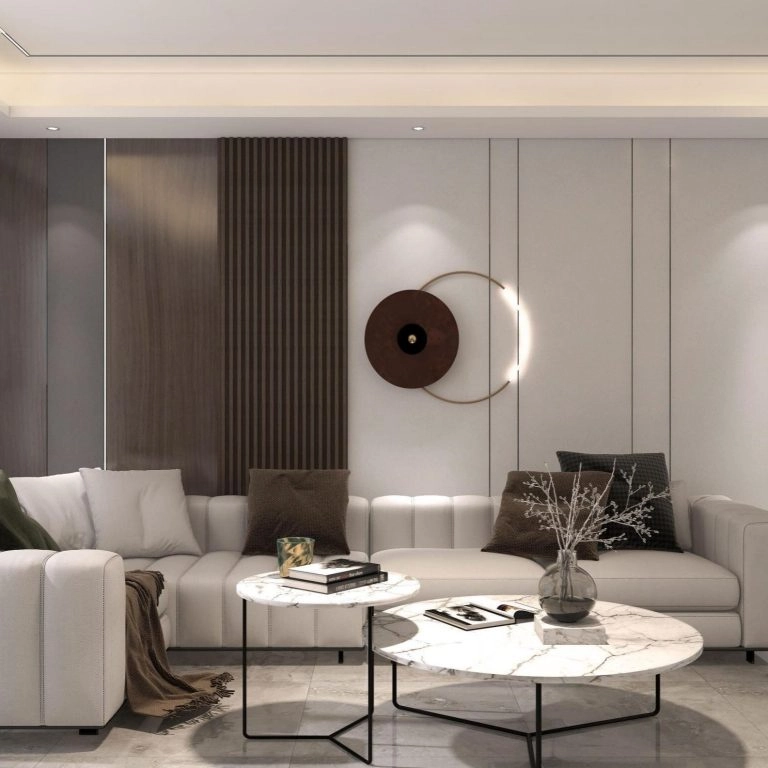
Wall Cladding & Ceiling Applications: 5mm–8mm For indoor wall panels, accent walls, feature walls, and ceiling installations, 5mm and 8mm are currently the most widely favored thicknesses on the market. They deliver a premium look, excellent acoustic performance, and lightweight convenience — quick to install without making walls or ceilings feel bulky. Perfect for creating clean, modern, and sophisticated interiors.
Quick Recommendation Guide
- Want the lightest, most economical, and sleekest solution? → Go with 5mm
- Prefer better comfort, stronger sound insulation, and enhanced durability? → 8mm is highly recommended
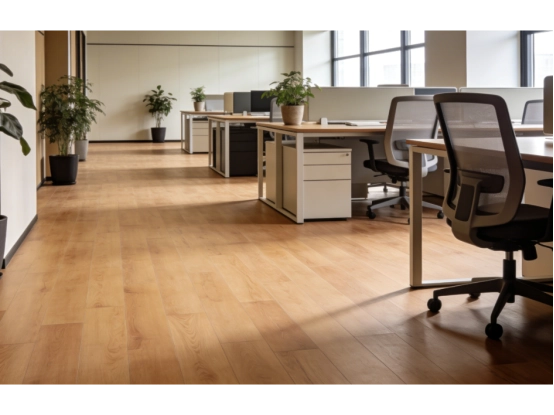
These two thicknesses successfully meet the needs of over 95% of residential and light-commercial projects — they are currently the most practical, cost-effective, and market-preferred choices.
Other Key Factors to Consider
Besides the use, several other things should shape your choice of thickness.
Structural and Load Requirements Thicker panels offer more weight support and firmness. If your setup needs heavy items or more stability, choose 8mm or thicker panels. This prevents bending or harm over time.
Acoustic Performance Thicker panels handle sound absorption and noise cutting better. In areas where quiet or privacy counts, like home offices, bedrooms, or meeting rooms, pick 5–8mm panels. They can greatly boost sound comfort.
Aesthetic Preferences Thicker panels often look more solid and upscale. They have deeper shapes. Thinner panels fit sleek, modern styles. These focus on straight lines and a subtle feel. Match your pick to the look you want.
Budget and Cost Considerations Costs go up as thickness increases. Top WPC panels from reliable makers work well even at basic thicknesses. They use fine raw materials, stabilizers, and additives. Picking the right thickness gives you the best value. You avoid choosing too much.
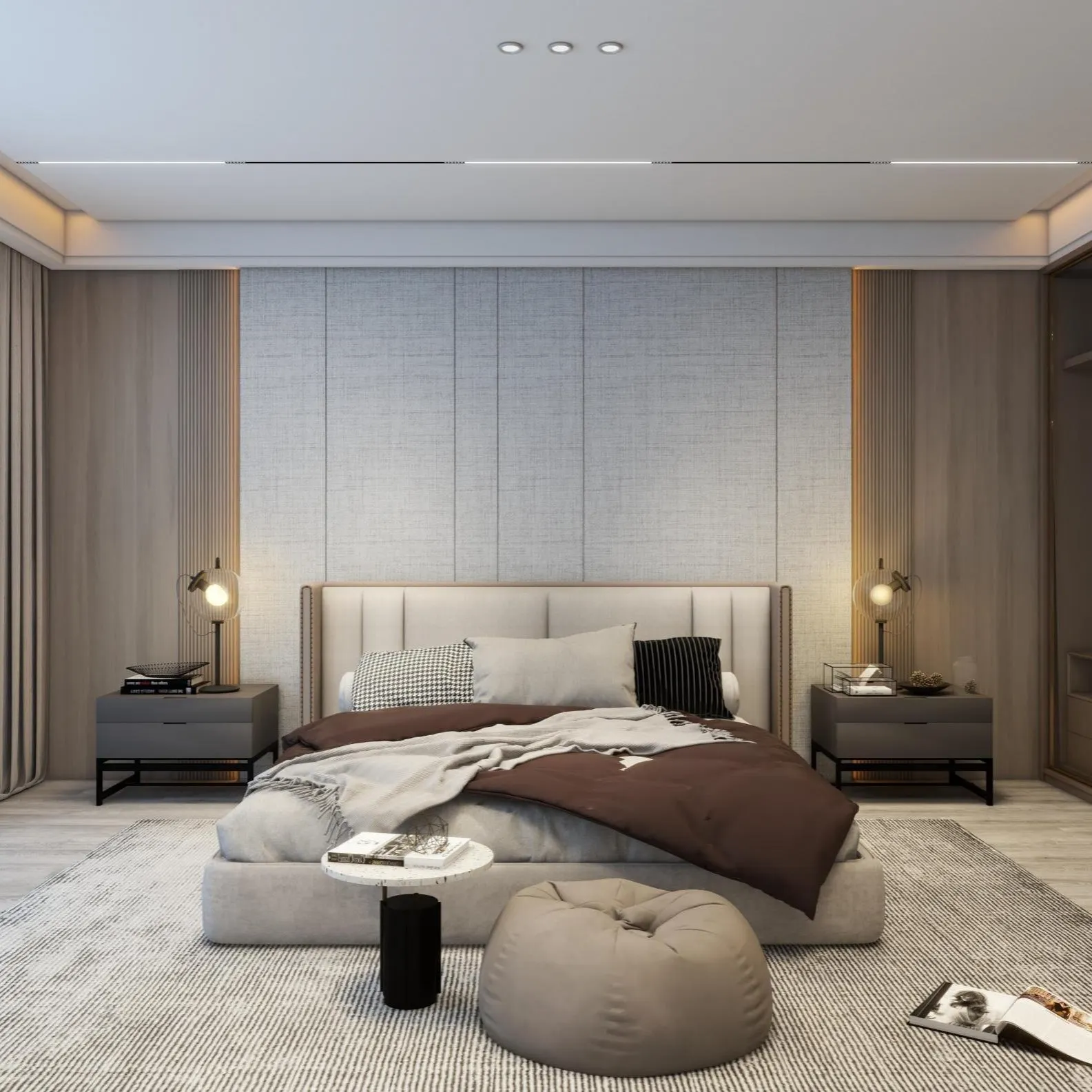
Picking the proper WPC panel thickness from Latitude Interiors means looking closely at use needs, sound wants, build demands, style aims, and budget. Fitting these to the right thickness ensures top results, ease, and long life in any indoor job.
When you get them from trusted makers who use A-grade raw materials, calcium-zinc stabilizers, and modern additives, WPC panels give steady quality and trust at all suggested thicknesses.
FAQ
Q: What is the most common WPC panel thickness for general indoor use?
A: For most home and light business indoor spots, 5–8mm is the top choice and suggestion. It balances performance, comfort, and cost nicely.
Q: Why does usage affect WPC panel thickness selection?
A: Spaces differ in needs for toughness, sound blocking, and foot traffic. Thicker panels (5–8mm) fit high-traffic or noise-aware areas better. Meanwhile, 5–8mm meets standard home needs.
Q: Is thicker always better for WPC panels?
A: No. Thicker panels add strength and sound perks, but they raise costs. Base your choice on exact needs. Often, slimmer high-quality panels give fine outcomes in easier settings.
Q: What thickness is best for interior WPC wall cladding?
A: For wall and ceiling uses, 5–8mm is usually the best pick. It offers a fine look, simple setup, and solid sound handling without added weight.