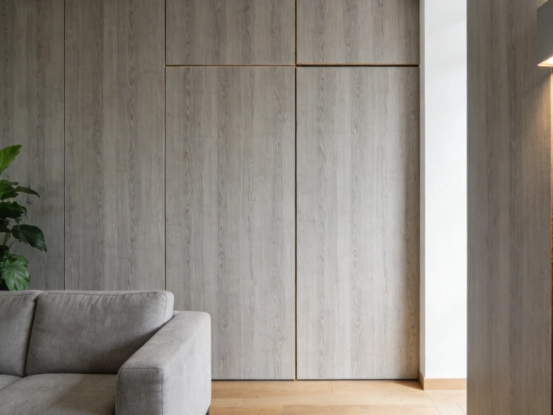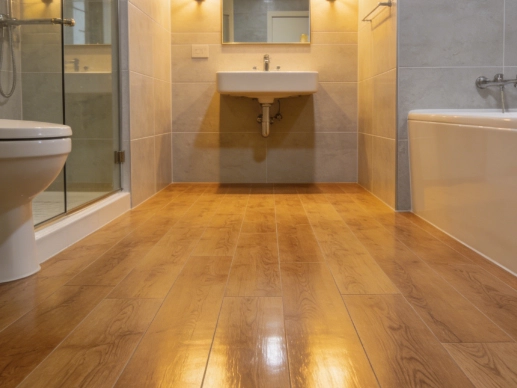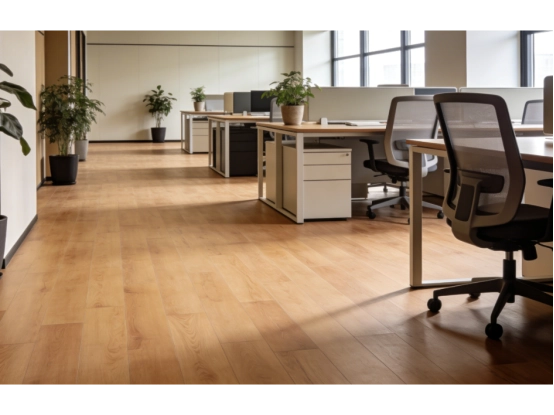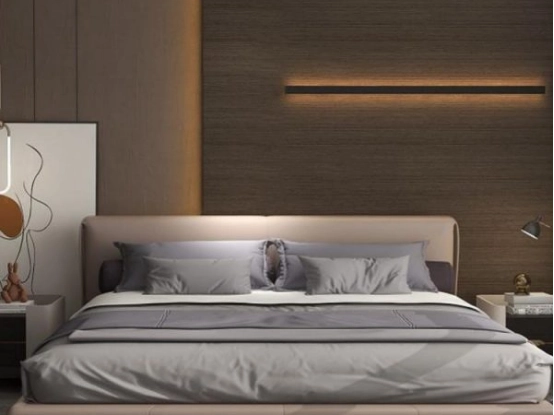
Latitude Interiors is a top name in the architectural surface industry. They provide creative wall panel options designed for today’s building and design needs. Their most popular products are SPC (Stone Plastic Composite) and WPC (Wood Plastic Composite) wall panels. Both are known for strong durability, long lifespan, and eco-friendly makeup. These materials meet different style and performance needs. They work well for homes, businesses, and busy indoor spaces. This article looks at the makeup, structural strengths, resistance features, and best uses of WPC and SPC. It helps decide which one offers better longevity in different indoor settings.
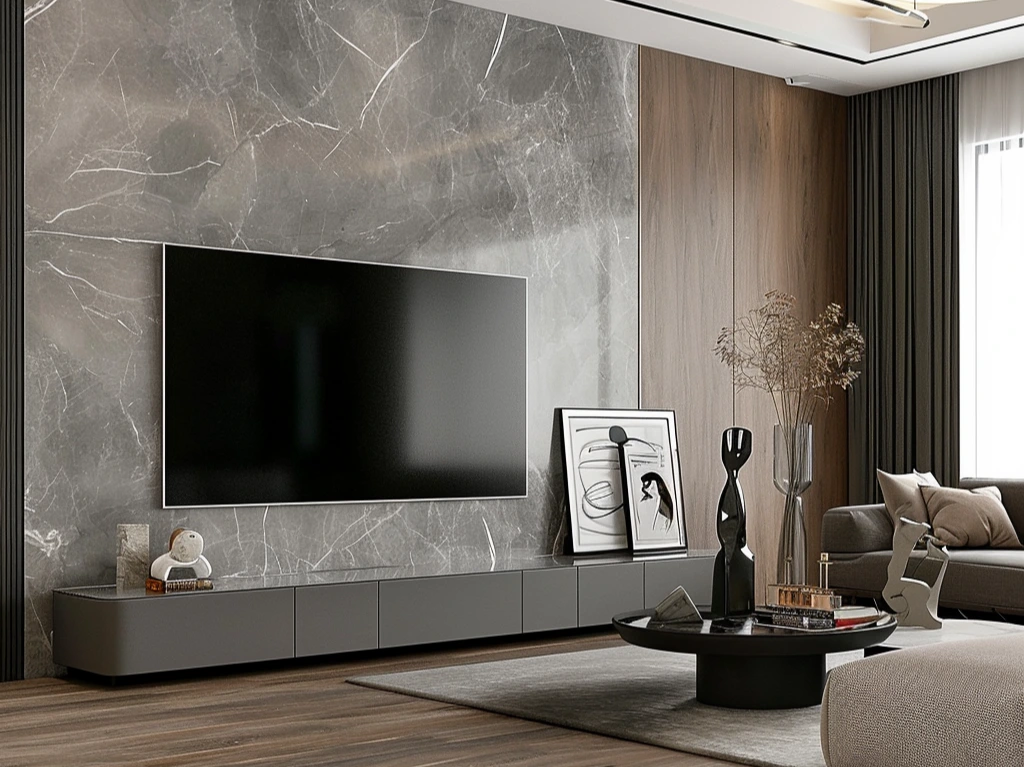
Composition of SPC Material
SPC panels are made by mixing stone powder with thermoplastic resins. This creates a dense and very stable core. The material stays rigid. It is less likely to bend or change shape. SPC panels are produced with a glue-free, hot-pressing method. They meet global standards like EN14372, EN649-2011, IEC62321, and GB4085-83. The design also has a UV protection layer and PE film. These protect the surface from damage. They help extend the panel’s life in high-impact or sun-exposed indoor areas.
Characteristics and Benefits of SPC
SPC panels show excellent performance in stability and wear resistance. They offer great stability, sustainability, and durability. These panels suit many indoor uses, such as homes, hotels, hospitals, and commercial areas. SPC also resists fire and insects. It has zero formaldehyde, so it is an eco-friendly option. Its rigid nature means little warping or expansion. This holds true even with moisture or temperature changes.
Composition of WPC Material
WPC wall panels are made from wood fibers mixed with thermoplastics like PVC (usually 30% HDPE + 60% wood fiber + 10% additives). Decorative films are added to the surface. This keeps the look appealing over time. These panels are produced without formaldehyde. They follow health safety rules and support long-term environmental care.
Key Elements and Advantages of WPC
WPC performs well in indoor spaces. It has a natural wood-like look, good flexibility, and strong impact resistance. It provides high color stability. It also has a B1 fireproof rating. The panels self-extinguish in fire and release no toxic gases. Components like polyethylene wax lubricants and sodium bicarbonate foaming agents help. They give strong ductility, better sound absorption, and thermal insulation. They also make the panels lighter—perfect for comfortable living areas.
Wear Resistance and Scratch Durability Comparison
Durability Factors for SPC Panels
The rigid core of SPC makes it highly resistant to physical damage. It has a UV layer (matte 5-8 degrees). It resists scratches up to 2800 or more. Wear Resistance EN660-2 Group T Pass shows it can handle heavy foot traffic or mechanical wear in business settings.
Wear and Tear Considerations for WPC Panels
WPC has a layered design with a luxury vinyl top layer. This keeps the surface looking good even after years of use. Its flexibility absorbs small impacts without clear damage. It needs little maintenance. Regular sweeping and occasional mopping are enough. This makes it great for daily indoor use.
Stability and Dimensional Longevity Comparison
Structural Stability of SPC Panels
SPC wall panels have a dense composite structure. It stops warping or twisting, even with moisture. Shrinkage rate ≤ 0.1% (6 hours at 80 ℃). Curling after Exposure to Heat ~0.01mm Pass. These show outstanding dimensional stability under heat stress.
Flexibility and Long-Term Attributes of WPC Panels
WPC panels use sodium bicarbonate foaming agents. These improve impact resistance and ductility. They also lower density and weight. This flexibility lets WPC handle small structural shifts or impacts without cracking. It offers better comfort and noise reduction indoors.
Environmental Endurance and Moisture Resistance Comparison
Endurance Properties of SPC Material
The rigid core and protective layers of SPC give strong resistance to moisture and indoor sunlight. Its multi-layer setup includes UV coating, wear layer, decorative film, SPC core, and IXPE/EVA noise-canceling layer. These help with long-term performance in changing indoor spaces like kitchens or bathrooms.
Moisture Resistance Characteristics of WPC Panels
WPC is built with good moisture tolerance. It combines the natural feel of wood with the strength of plastic. It resists swelling, mold, and mildew. It offers low maintenance and a splinter-free surface. This is ideal for humid indoor spots. It keeps a warm, natural look.
Impact and Overall Lifespan Comparison
Impact Resistance in SPC Panels
Thanks to its stone-plastic core, SPC resists dents and shape changes from heavy items or constant foot traffic. Residual Indentation ~0.03mm Pass. This proves it keeps its form over long stress periods.
Long-Term Performance in WPC Panels
The foamed structure of WPC boosts toughness. Its cellular design blunts crack tips. It stops cracks from growing. This suits indoor areas with temperature changes or minor movements. It adds comfort and lasting life.
Application Scenarios for Longevity
Ideal Long-Term Uses for SPC Wall Panels
SPC works best in high-moisture or high-traffic indoor spots where heavy wear happens (e.g., homes, hotels, hospitals, commercial spaces). Its hard surface resists scratches from furniture or carts.
Optimal Longevity Settings for WPC Wall Panels
WPC does well in indoor areas that need natural looks, flexibility, and comfort—such as living rooms, bedrooms, offices, or humid spots like bathrooms and kitchens. It gives excellent sound insulation, thermal comfort, and wood-like warmth.
Introduction to Latitude Interiors Products and Custom Services
Latitude Interiors provides a full range of wall panel options. We use both SPC and WPC materials built for maximum indoor longevity. With global certifications, advanced R&D, and custom designs, Latitude Interiors supplies high-quality SPC/WPC wall panels. These meet strict worldwide standards. As one of China’s top OEMs for SPC/WPC wall panels, flooring, and ceilings, we focus on safe, efficient, and sustainable products. Our production base covers over 430,000 square feet. We have modern production lines. We deliver high-quality “Made-in-Zhejiang” products around the world. Through one-stop project solutions—from design advice to manufacturing—Latitude Interiors helps clients create reliable, durable surfaces for modern indoor spaces.
FAQ
Q: Which lasts longer overall, WPC or SPC panels?
A: Both WPC and SPC are very durable for indoor use. SPC usually provides better longevity in high-traffic or high-moisture spots. It has a rigid core and outstanding scratch/impact resistance. WPC gives strong long-term results in comfort-focused indoor areas. It offers better flexibility, sound insulation, and natural looks.
Q: Are WPC and SPC panels resistant to moisture and suitable for bathrooms or kitchens?
A: Yes. SPC is fully waterproof and very stable in humid conditions. It is perfect for constant wet exposure. WPC is highly moisture-resistant. It won’t rot or swell. It works well in indoor humid areas with good ventilation.
Q: How do WPC and SPC compare in terms of scratch and wear resistance?
A: SPC panels offer higher scratch and abrasion resistance. They have a dense stone-plastic core and thick wear layer. They perform better in heavy-use business areas. WPC is durable and flexible. It absorbs impacts without cracking. It keeps its warm appearance well in home settings.