Retail flooring is rarely chosen for appearance alone. In shopping malls, chain stores, showrooms, supermarkets, and franchise locations, the best flooring for retail stores must stand up to steady foot traffic, wet shoes, rolling carts, shifting displays, cleaning routines, and years of daily pressure. A surface that looks refined on opening day but becomes hard to maintain after one busy season can soon become a costly problem.
SPC flooring is now widely considered for high-traffic retail flooring because it addresses several concerns in one material. It has a rigid core, waterproof performance, a wear-resistant surface, and a broad selection of wood, stone, marble, and carpet-look finishes. For buyers comparing commercial flooring for stores, the decision is not only about the first purchase cost. Long-term maintenance cost, store downtime, replacement cycle, and return on investment matter just as much.
Why Retail Stores Need Flooring Built for Daily Use
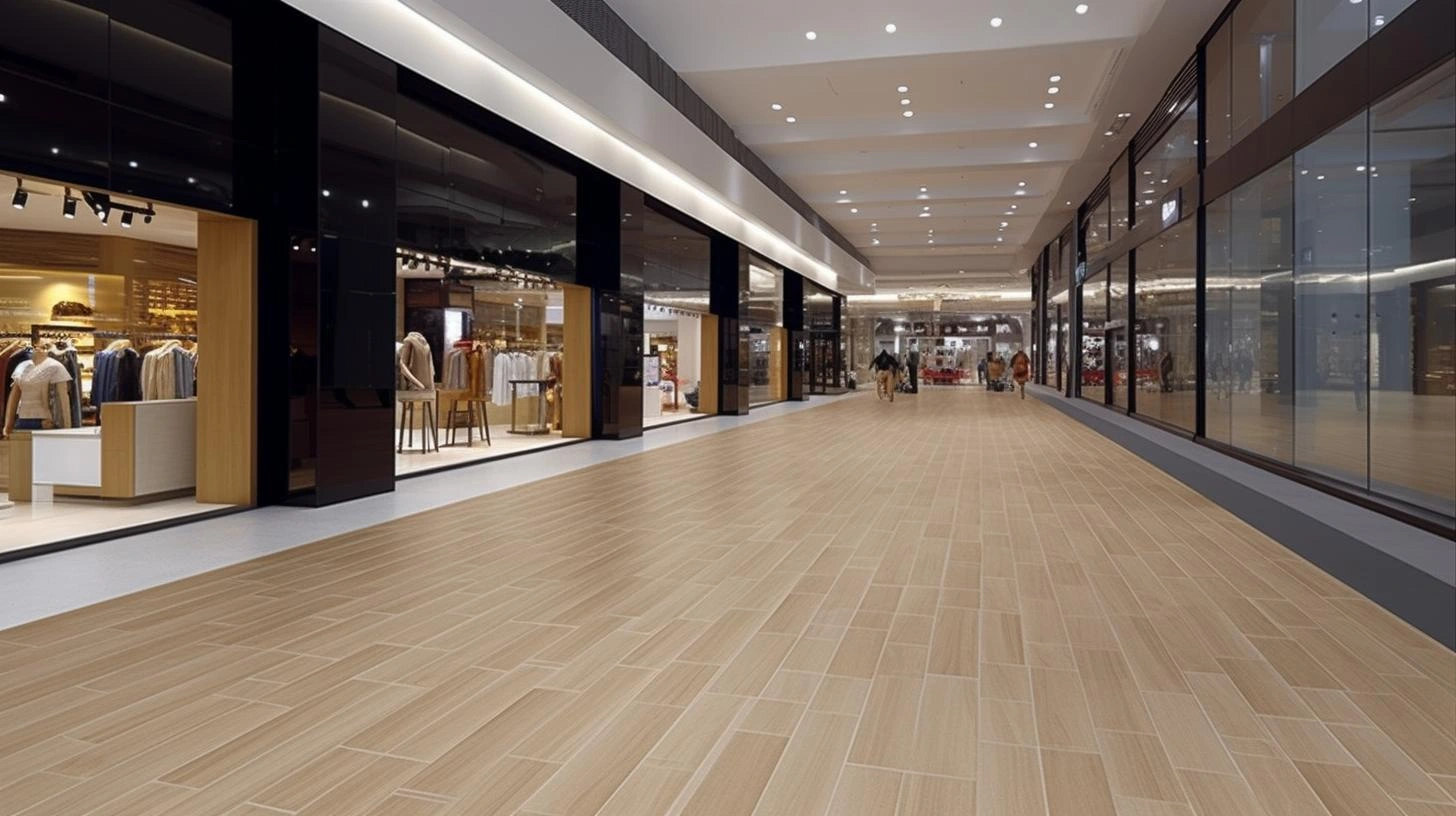
Retail spaces create wear patterns that are very different from ordinary interiors. Entrance areas collect dirt, grit, rainwater, and moisture from outside. Checkout zones face repeated standing, turning, and queue traffic. Mall corridors carry constant movement from morning until closing. Display areas are rearranged often, and back-of-house spaces may deal with cartons, trolleys, and staff movement throughout the day.
When the wrong floor is installed, the issues usually appear gradually. Scratches become clear under bright store lighting. Seams may trap dirt. Moisture can damage weak areas near doors or service zones. Cleaning crews then need more time to keep the floor presentable. For chain stores, the same trouble can spread across many locations.
This is why low maintenance retail flooring is not just a convenience. It affects labor planning, repair budgets, store image, and customer experience. A well-selected commercial floor should make daily cleaning easier and help the space keep a consistent appearance under heavy use.
Why SPC Flooring Fits Retail Stores and Shopping Malls
SPC flooring, also known as stone plastic composite flooring or rigid core vinyl flooring, is made with a dense core structure and a protective wear layer. This construction gives the floor better stability, easier upkeep, and stronger resistance to everyday abrasion.
Latitude Interiors Limited supplies SPC flooring with thickness options from 4.0mm to 8.0mm and wear layer choices of 0.3mm and 0.5mm. These specifications give project buyers more flexibility when matching flooring performance to the expected traffic level. A boutique showroom, a supermarket entrance, and a shopping mall corridor do not carry the same workload. The flooring specification should reflect that difference.
The company’s SPC flooring range includes wood grain, marble grain, stone, and carpet surface effects. This variety is useful in retail design because floors need to support both function and brand atmosphere. A fashion store may prefer a warmer wood look. A showroom may need a cleaner stone effect. A mall tenant may require a neutral design that works well with lighting, displays, and wall panels.
Latitude Interiors Limited lists waterproof, wear-resistant, anti-slip, moisture-proof, fire-retardant, anti-scratch, antibacterial, and durable features for its SPC flooring products. These properties match the needs of retail stores, shopping malls, schools, hospitals, kitchens, and other commercial spaces where flooring must perform under repeated daily use.
How SPC Flooring Reduces Maintenance Costs in High-Traffic Areas
Easier Cleaning During Store Hours
Commercial floors need to be cleaned without disturbing normal business. In many retail spaces, cleaning is not limited to the end of the day. Staff may need to remove dust, shoe marks, drink spills, or tracked-in rainwater while customers are still inside.
Easy to clean commercial flooring makes this routine less demanding. SPC flooring can be maintained with regular sweeping, vacuuming, damp mopping, and spot cleaning. It does not usually require frequent sealing, waxing, or complicated surface treatment. Over time, this can reduce cleaning labor and make store maintenance more predictable.
Better Resistance to Moisture and Spills
Waterproof retail flooring is especially valuable in street-facing stores, shopping malls, supermarkets, beverage areas, salons, fitting rooms, and service zones. Moisture does not always come from large spills. It often comes from wet shoes, floor cleaning, small leaks, humidity, or rainy weather near entrances.
SPC flooring is suitable for these areas because its waterproof structure helps lower the risk of moisture-related damage. Proper installation and regular cleaning are still necessary. Even so, the material gives retail operators a more dependable surface for spaces where water exposure is common.
Stronger Surface Performance Under Heavy Foot Traffic
High-traffic commercial flooring must withstand constant abrasion from shoes, dust, carts, and movable fixtures. In retail stores, the floor is always part of the customer’s view. Even light surface damage can affect the overall impression of the store.
The wear layer is one of the most important details to review. Latitude Interiors Limited offers 0.3mm and 0.5mm wear layer options for SPC flooring. In entrances, checkout areas, corridors, and busy sales zones, a stronger wear layer can help extend the service life of the floor and support better long-term ROI.
Less Disruption During Retail Renovation
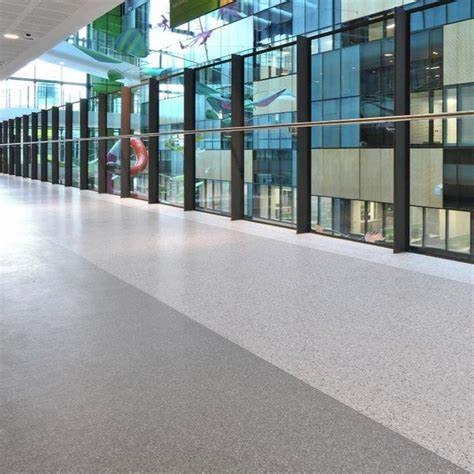
Retail renovation schedules are often tight. A closed store can affect sales, staffing, and opening plans. SPC flooring can support faster renovation work through installation choices such as click systems, loose lay, and dry-back or glue-down formats, depending on the selected product.
For franchise stores and chain projects, consistency becomes even more important. A flooring supplier should be able to support repeatable specifications, stable samples, suitable packaging, logistics coordination, and reliable production capacity. Latitude Interiors Limited was established in 2008 and focuses on WPC, SPC solid core wall panels, flooring, and decorative materials. The company reports a production base of more than 40,000 square meters, an independent professional research laboratory, 25 advanced production lines, quality inspection support, OEM/ODM service, sample support, packaging, transportation, and after-sales service.
How Buyers Should Choose Commercial SPC Flooring
A proper retail flooring specification should begin with real site conditions. Traffic level, cleaning frequency, moisture exposure, design style, and installation schedule all need to be considered before placing an order.
For busy entrances and shopping mall corridors, buyers should pay close attention to wear layer thickness, anti-slip texture, and cleaning performance. For showrooms and branded stores, surface design, plank size, and color tone may carry more weight because the floor helps shape the customer journey. For service areas, durability and simple maintenance may be more important than decorative effect.
Latitude Interiors Limited lists SPC flooring sizes such as 7.2” × 48” and 9” × 60.25”, with IXPE and EVA backing options available for selected products. These details are useful for procurement teams, contractors, wholesalers, and distributors comparing commercial SPC flooring for different retail layouts.
The most reliable purchasing decisions come from matching product specifications with the actual operating environment. A glossy visual may not be suitable for a wet entrance. A lighter wear layer may not be enough for a busy mall corridor. A premium surface design may be necessary in a showroom but less important in a storage or staff area. The right choice balances appearance, wear resistance, waterproof performance, installation method, supplier capacity, and long-term maintenance cost.
Conclusion
SPC flooring is a suitable choice for retail stores, shopping malls, chain locations, showrooms, supermarkets, and other high-traffic commercial spaces where both appearance and operating cost matter. Its waterproof structure, wear-resistant surface, simple cleaning routine, and wide design range make it a strong option for projects that need reliable performance over years of use.
For B2B buyers, contractors, wholesalers, and distributors, Latitude Interiors Limited adds further value through product variety, manufacturing capacity, laboratory support, quality inspection, OEM/ODM service, sample support, and experience in commercial flooring supply. For retail projects that need durable, waterproof, easy-to-clean, and low-maintenance flooring, SPC flooring offers a practical path toward lower upkeep costs and better long-term ROI.
FAQs
Q1: What is the best flooring for retail stores with heavy foot traffic?
A: The best flooring for retail stores with heavy foot traffic should be durable, waterproof, easy to clean, and resistant to visible wear. SPC flooring is a strong option because it combines a rigid core, wear-resistant surface, moisture resistance, and design flexibility for commercial interiors.
Q2: Is SPC flooring good for shopping malls?
A: Yes. SPC flooring is suitable for shopping malls because it can handle heavy foot traffic, routine cleaning, moisture exposure, and long operating hours. It works well in commercial spaces where the floor must stay clean, stable, and presentable with limited maintenance downtime.
Q3: How does SPC flooring reduce maintenance costs in retail stores?
A: SPC flooring can reduce maintenance costs by making daily cleaning easier, resisting spills and moisture, reducing visible surface wear, and extending the replacement cycle. For retail stores, shopping malls, and chain locations, these benefits can improve long-term flooring ROI.
Q4: What wear layer should commercial SPC flooring use?
A: The right wear layer depends on the expected traffic level. Latitude Interiors Limited offers 0.3mm and 0.5mm wear layer options for SPC flooring. Busy entrances, checkout areas, and mall corridors generally need stronger wear performance than light-use display areas.
Q5: How should buyers choose SPC flooring for chain stores?
A: Buyers should compare thickness, wear layer, surface texture, waterproof performance, anti-slip needs, backing options, installation method, design consistency, sample quality, and supplier capacity. For chain stores, stable production and repeatable specifications are especially important.