What Are WPC Wall Panels?
WPC wall panels — Wood Plastic Composite panels — are basically a mix of wood fibers and plastic resins that look like timber but behave a lot tougher. Most panels on the market contain roughly 60% wood powder, 30% HDPE, and a small percentage of additives to keep the color stable and the surface smooth. The idea is simple: keep the warm look of wood, skip the problems that real wood brings.
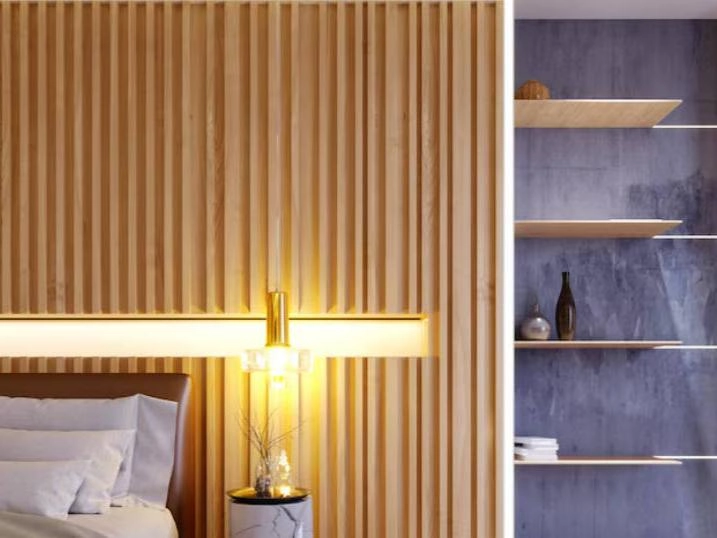
Many designers pick WPC today because commercial spaces need both a good look and long service life. Walk into a coworking lobby, a new cafe, or a mid-range hotel, and chances are some wall surfaces are already WPC — especially in areas that take a beating every day, like elevator halls or corridor walls with luggage scraping by. The popularity didn’t come from hype; most installers say WPC is “one of those materials that just behave well” on site.
Key Benefits of WPC Panels in Commercial Interiors
1. Exceptional Durability and Impact Resistance
Commercial interiors suffer all kinds of impacts — carts bumping walls, clients dragging chairs, kids tapping surfaces for no reason. WPC panels handle these things better than MDF or plywood because the high-density core is firm and weighty.
Some factories also use sandalwood powder as part of the wood fiber mix. It’s more delicate, so the finished surface looks a bit finer. A small side note: sandalwood powder even gives off a faint wooden scent when burned — something installers sometimes joke about when cutting the boards on site.
2. 100% Waterproof and Moisture-Resistant
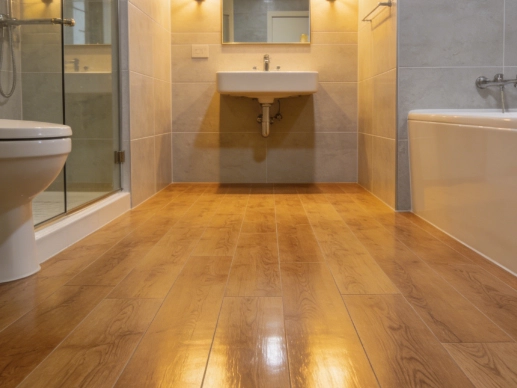
Traditional wood panels don’t like water. Once humidity goes up, wood boards start swelling, bending, or splitting at the edges. WPC panels don’t do that. They can stay in a wet restroom for years and still look normal.
This makes them suitable for areas like spas, gym shower corridors, back-kitchen walls, and restaurants where steam or splashes are part of daily life. Some facility managers even prefer WPC in dish-washing rooms because it doesn’t delaminate the way plywood often does after a few months.
3. Low Maintenance and Cost-Effective Long-Term
Most commercial owners care about cleaning costs more than anything else. WPC panels clean easily with basic detergent water. No repainting. No sanding. No re-coating.
In busy food courts or retail stores, the cleaning staff usually wipe stains dozens of times a day. WPC holds up well — it doesn’t leave ugly marks when someone brushes against it with a shopping cart. Over a few years, the saved maintenance budget becomes very noticeable.
4. Quick and Easy Installation
Time pressure is always real in commercial renovations. Some shops have only three to five days to close before reopening. WPC panels help because they come with glue and nails that go up fast.
A small installation example: a 30-square-meter restaurant feature wall usually takes one day with two workers. With plywood + paint, the same wall may need three to five days, including drying. That time saved is often worth more than the material cost difference.
5. Eco-Friendly and Sustainable Choice
Most companies now consider environmental impact when choosing materials. WPC panels are made from recycled wood fiber and recyclable plastics. They don’t contain formaldehyde, which is important for malls and office projects that want LEED or BREEAM points.
Factories using calcium-zinc stabilizers instead of lead compounds also make the product safer in long-term use. Many architects appreciate this because it matches the “low-VOC, low-odor, low-risk” design trend.
6. Superior Acoustic and Thermal Performance
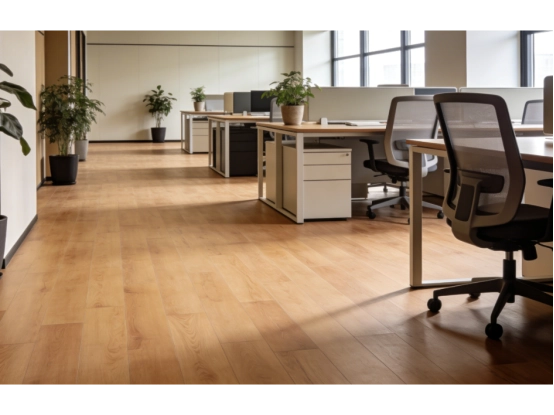
Commercial interiors — especially open offices or clinics — often struggle with noise. WPC’s foamed structure absorbs part of the sound waves, so rooms feel calmer. Not complete silence, of course, but enough for people to notice.
Thermal performance also improves slightly. In some indoor testing, rooms finished with WPC panels saved around 20%–30% on cooling/heating loss compared with bare cement walls. This becomes handy for large spaces like hotel corridors or gyms where air conditioning runs for long hours.
7. Endless Design Flexibility
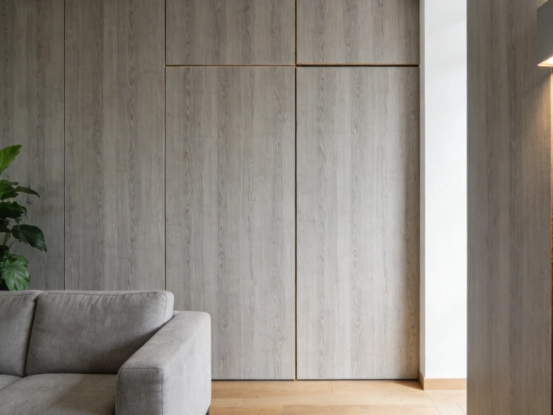
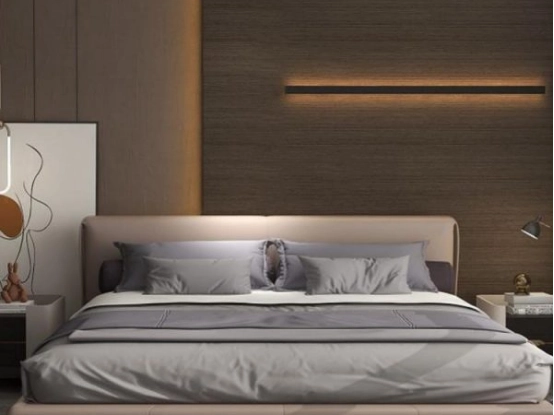
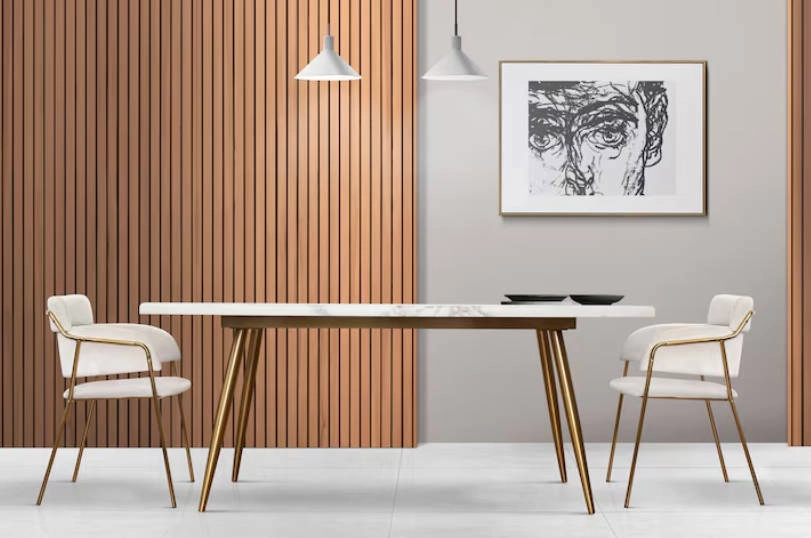
One big reason designers enjoy using WPC panels with design teams is the variety. Wood-grain textures, matte finishes, glossy surfaces, stone-like tones, 3D decorative lines — the options are wide.
If a commercial space needs a “natural but neat” theme, WPC works. If the branding requires bold colors, WPC also works because colors can be customized. This flexibility helps avoid the “all-spaces-look-the-same” problem that often happens with traditional wallboards.
Popular Commercial Applications
- Office receptions and meeting rooms: Adds a clean, warm first impression and improves privacy.
- Hotel lobbies and corridors: Durable against suitcase bumps, stable under constant cleaning.
- Restaurants and cafés: Stain-resistant, easy to maintain during rush hours.
- Retail stores: Matches brand themes quickly without expensive carpentry work.
- Gyms and spas: Water-resistant and safe for barefoot areas.
- Healthcare: Smooth surfaces help limit bacteria buildup.
- Schools and co-working spaces: Tough enough for high traffic and offers helpful sound dampening.
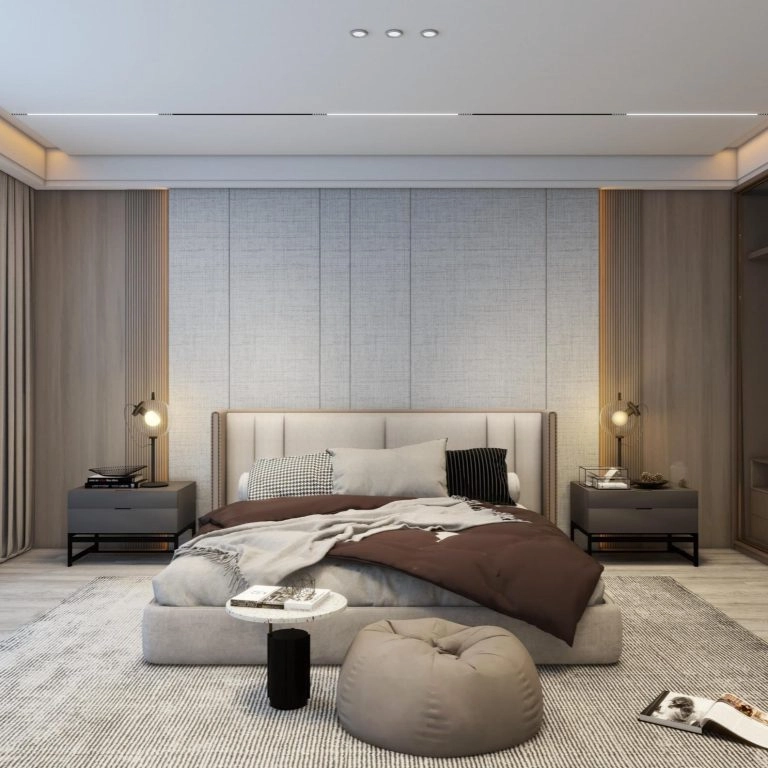
WPC wall panels bring together looks, durability, and practical use. They stand strong under heavy daily traffic, resist moisture, clean easily, install quickly, and support eco-friendly building requirements. Their mix of wood-like appearance and long service life fits modern commercial interiors that need both style and reliability.
Call to Action
For commercial projects needing high-quality WPC panels with OEM/ODM services, Latitude Interiors offers samples, technical data, and competitive wholesale pricing for contractors and builders.
FAQ
Q: Are WPC wall panels fully waterproof for commercial use?
A: Yes. They don’t swell or delaminate, even in kitchens or spa zones with constant moisture.
Q: How long do WPC panels last in high-traffic areas?
A: Typically 15–25 years, depending on the environment and cleaning habits.
Q: Can WPC panels be used in fire-rated projects?
A: Many reach Class B, and some suppliers offer Class A options for stricter building codes.
Q: Are WPC panels eco-friendly enough for green building programs?
A: Yes. They are formaldehyde-free, recyclable, and can help add points to LEED, BREEAM, and similar certifications.