Material Composition and Manufacturing Processes
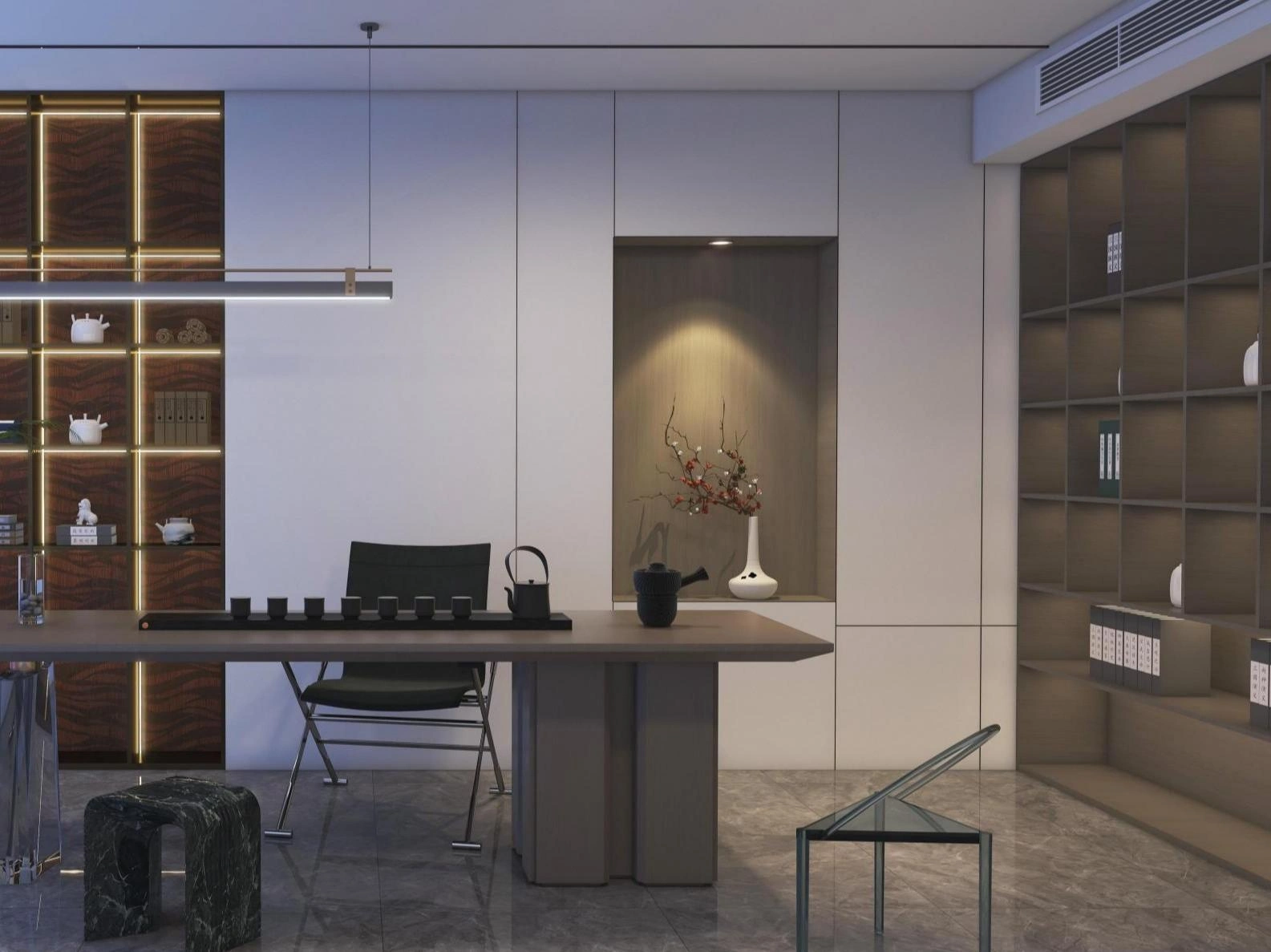
Wood Grain Finish WPC Wall Panel
- Surface Design and Composition Elements:
- Natural wood powder (around 80-120 mesh) with a higher proportion of sandalwood powder
- Lightweight calcium carbonate filler
- SG-8 polymer resin for better flow and hardness
- Yellow inorganic pigment for natural wood-like color
- Calcium-zinc stabilizers for thermal and environmental performance
- Polyethylene wax and PE wax for enhanced shaping and surface smoothness
- Sodium bicarbonate foaming agent for better impact resistance
Sandalwood powder is more delicate, the finished product is more beautiful, and it has a woody aroma when burned.
Light calcium is more environmentally friendly, and the finished product has stronger toughness.
Use yellow inorganic color powder—stronger weather resistance and high temperature resistance, and less prone to discoloration, resulting in a natural wood yellow color in the finished WPC product.
- Manufacturing Process Steps:
- Blend raw materials: sandalwood powder, stone powder, polymer resin, stabilizers, waxes
- Extrude the base WPC profile under high temperature
- Apply wood grain texture through embossing or heat transfer printing
- Add protective top coating for durability and UV resistance
- Cut, slot, and package panels according to design specs
Marble Finish WPC Wall Panel
Surface Design and Composition Elements:
- Similar core composition to wood grain finish with polymer resin, stone powder, and wood fibers
- Surface film or print layer designed with high-resolution marble textures
- UV-cured protective coating for gloss and stain resistance
Manufacturing Process Steps:
- Extrude base WPC core using high-temperature processing
- Apply digitally printed marble design film or UV ink directly onto the surface
- Cure with UV light to harden and protect the surface print
- Slotting and precision cutting for wall installation compatibility
- Final quality inspection and packaging
Key Advantages
Wood Grain Finish
- Warm, natural aesthetic that mimics real timber
- Broad selection of textures from smooth to deeply embossed
- Complements rustic, Scandinavian, or modern interior styles
- Resistant to cracking, insect damage, moisture, and color fading
- Offers a wide range of colors for selection. It provides a natural wood texture and grain while allowing customization of colors to match individual preferences.
Marble Finish
- High-end luxury appeal similar to real marble without the weight or fragility
- Seamless patterns achievable with printed or laminated surface layers
- Easy to clean and maintain due to smooth UV-coated finish
- Suitable for wet environments due to water-resistant properties
- Effectively addresses the issue of traditional wood products being susceptible to rot, expansion, and deformation in humid and water-rich environments.
Disadvantages
Wood Grain Finish
- May exhibit pattern repetition due to embossing limitations
- Can show signs of wear or dullness in high-touch areas over time
- Not as suitable for ultra-modern or high-gloss design schemes
Marble Finish
- Can appear artificial if low-quality printing is used
- Typically more expensive than wood grain styles due to advanced surface treatment
- Cooler visual tone might not suit cozy or organic-themed interiors

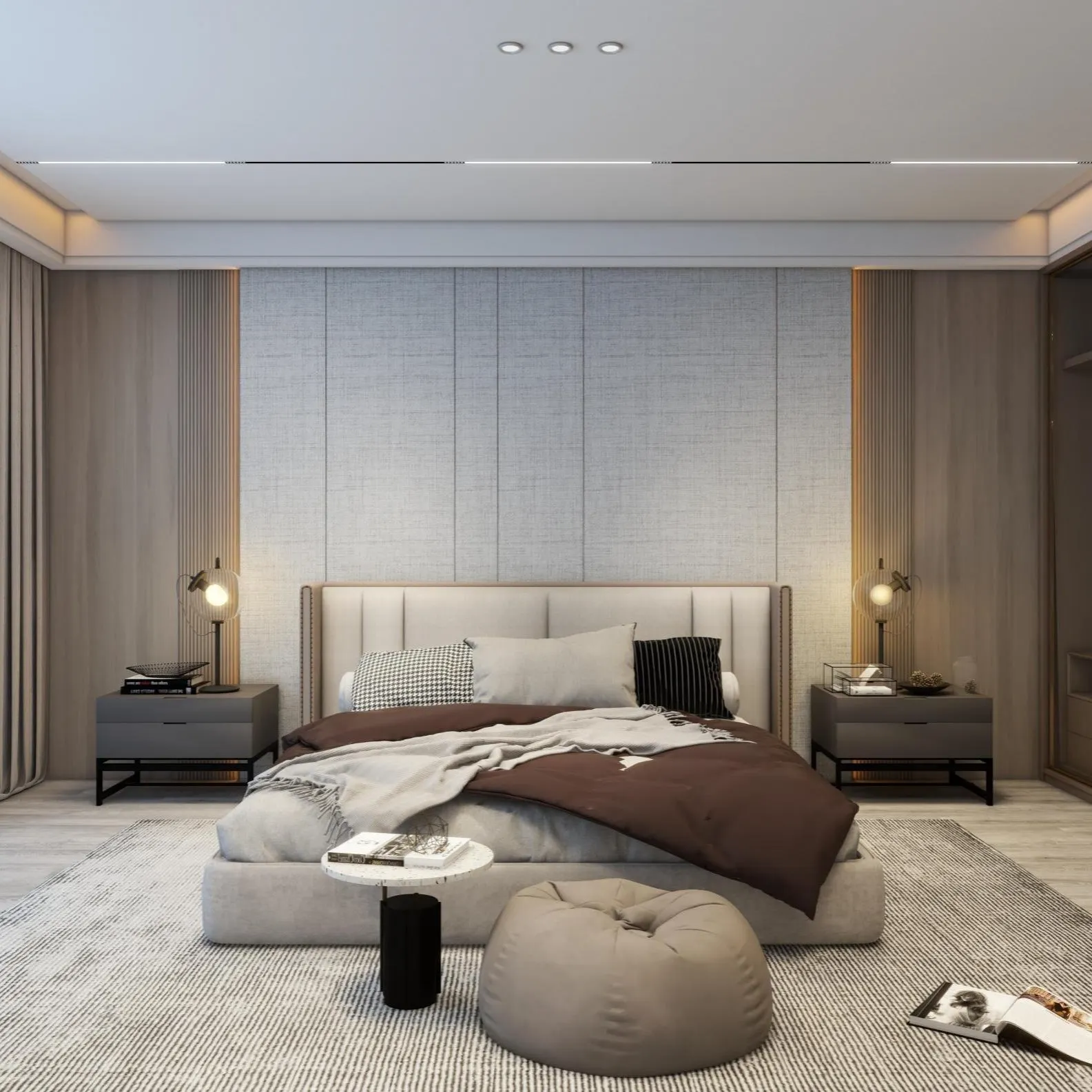
Applications in Interior Decoration
Wood Grain Finish
- Residential living rooms or bedrooms seeking a cozy ambiance
- Accent walls or partitions in Scandinavian, rustic, or Japandi-style homes
- Offices or commercial spaces requiring warm-tone backdrops
- Furniture backboards or cabinetry cladding integrations
Marble Finish
- Premium hotel lobbies or reception areas
- Bathroom and kitchen walls requiring waterproofing and easy cleaning
- Commercial retail stores emphasizing luxury branding
- Feature walls in modern minimalist interiors with high contrast tones
Market Trends and Growth Potential
Wood Grain Finish
- Popularity in sustainable/natural designs
- Rising demand in eco-conscious residential construction
- Integration into prefabricated home interiors and modular furniture systems
Marble Finish
- Rise in luxury modern interiors, especially in hospitality projects
- Increasing realism of printed marble veining patterns through UV-cured technology
- Strong demand in urban commercial developments where aesthetics meet function
Comparison Table
| Feature | Wood Grain Finish | Marble Finish |
|---|---|---|
| Surface Aesthetic | Natural timber-like | Luxurious stone-like |
| Texture Options | Embossed, brushed, smooth | Smooth glossy (UV coated) |
| Cost | More budget-friendly | Slightly premium due to printing tech |
| Best Use Cases | Homes, cozy interiors | Bathrooms, hotels, modern spaces |
| Moisture Resistance | High | Very High |
| Installation | Easy click-lock or nail-based | Same with added UV film protection |
| Pattern Customization | Limited by embossing | Highly detailed via digital printing |
How to Choose the Right Design?
Choose Wood Grain Finish if:
- You want a warm and organic visual ambiance in your space
- Your project involves cozy residential settings or rustic design themes
- You’re looking for a cost-effective wall panel with a familiar texture
- You value sustainability and natural materials aesthetics
Choose Marble Finish if:
- Your interior style leans towards elegance, luxury, or minimalism
- The space requires high moisture resistance (e.g., bathrooms)
- You aim for seamless high-end appearance without using real stone
- You prefer easy-to-clean surfaces with long-lasting gloss retention
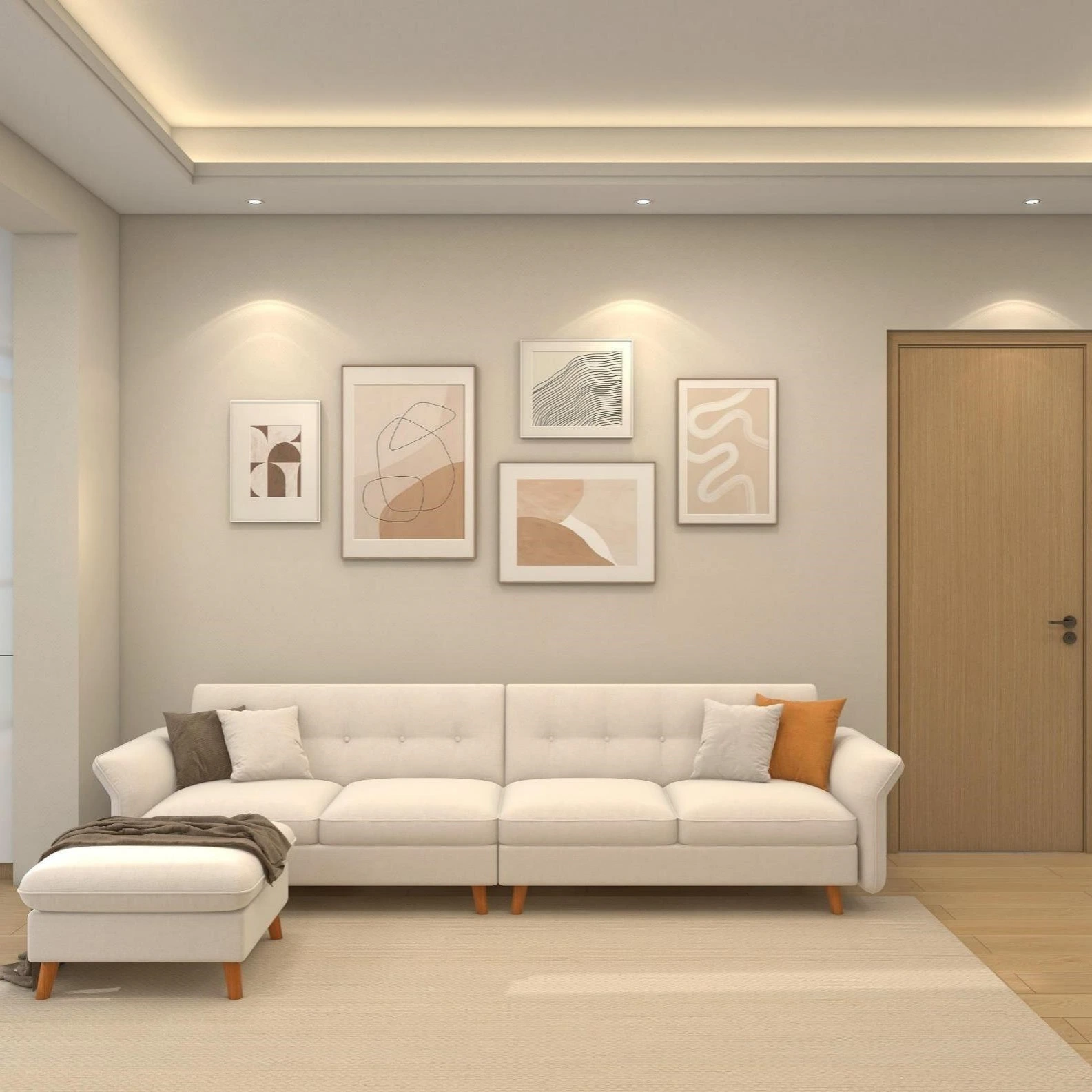
Wood grain WPC wall panels give a classic look that’s perfect for designs inspired by nature. They mix warm beauty with strong performance. Marble finish WPC panels appeal to those who want a luxurious style. They use modern features like UV printing technology. Decorative Panel (WPC, Wood Plastic Composite) is a new type of composite material made from natural wood powder, plant fibers (such as cane), lightweight calcium carbonate (stone powder), and polymer resin. Both types deliver great results in durability, water resistance, and eco-friendly standards.
In the end, choosing between these two finishes comes down to your space’s theme, the environment where it’ll be used, how much maintenance you expect, and your budget. Thanks to ongoing improvements from top companies like Latitude Interiors, designers can now choose from a wide range of WPC wall panel options. These solutions combine good looks with solid performance for homes and businesses alike.
FAQ
Q: Which is better for bathrooms: wood grain or marble finish WPC wall panel?
A: Marble finish WPC wall panel is generally better for bathrooms due to its superior moisture resistance, seamless glossy surface, and easy-to-clean UV-coated finish that prevents rot or deformation in humid environments.
Q: Are wood grain WPC wall panels more affordable than marble finish?
A: Yes, wood grain finish WPC wall panels are typically more budget-friendly compared to marble finish, which often costs more due to advanced digital printing and UV-cured surface technology.
Q: Do WPC wall panels with wood grain or marble finish fade over time?
A: Both finishes are highly resistant to color fading thanks to UV protection and quality stabilizers. Wood grain uses weather-resistant inorganic pigments, while marble finish benefits from UV-cured coatings for long-lasting vibrancy.